
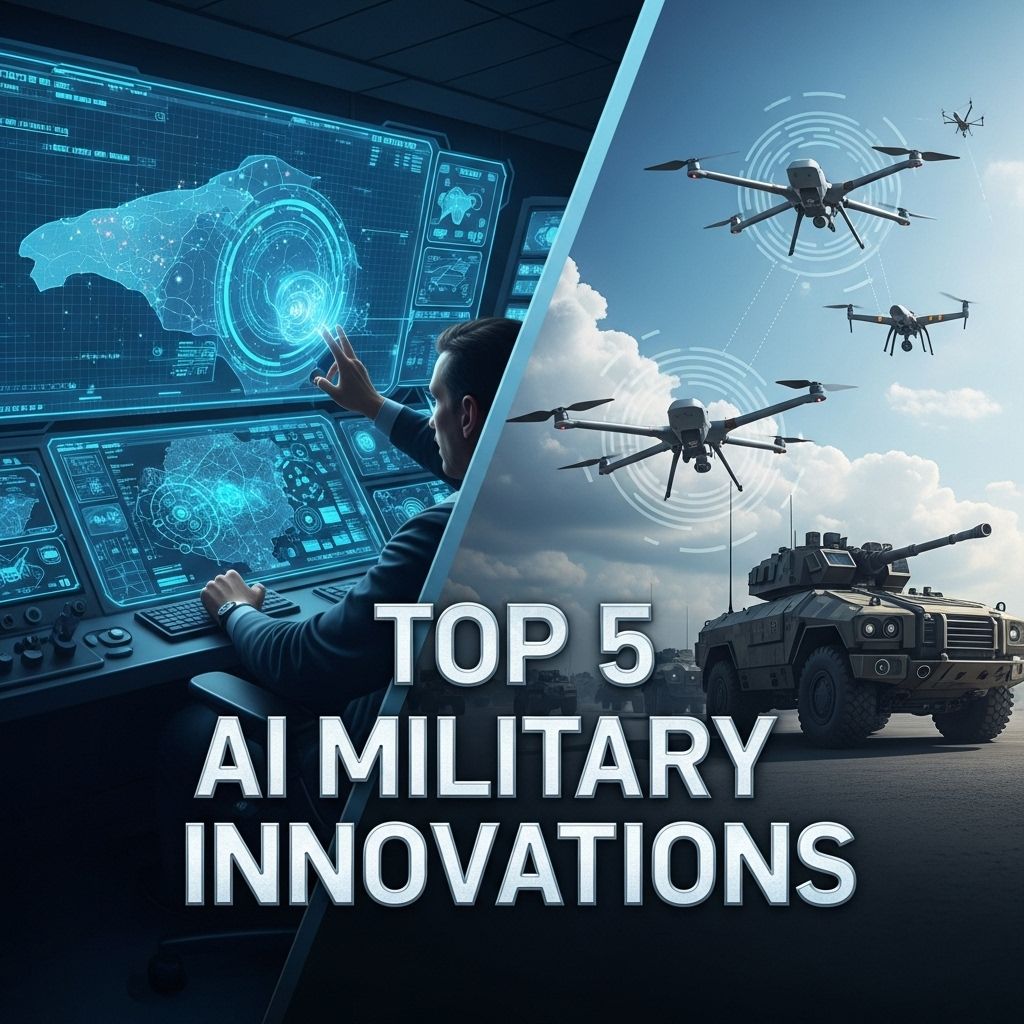

In the ever-evolving landscape of military technology, the integration of Artificial Intelligence (AI) into decision support systems has revolutionized how armed forces operate. With the ability to process vast amounts of data, learn from patterns, and provide actionable insights, these systems are transforming strategic and tactical decision-making. This article explores some of the most innovative AI decision support systems that have emerged in the military sector, highlighting their capabilities, applications, and potential future developments.
Understanding AI Decision Support Systems
AI decision support systems utilize machine learning algorithms, data analysis, and predictive analytics to assist commanders and military personnel in making informed decisions. These systems can analyze complex datasets quickly, identify trends, and simulate various scenarios. The key components of these systems include:
- Data Integration: Aggregating data from multiple sources such as sensors, reconnaissance, and intelligence reports.
- Machine Learning: Utilizing algorithms that improve decision-making through pattern recognition and predictive capabilities.
- User Interface: Providing intuitive dashboards and visualization tools that allow users to interact easily with the system.
1. Project Maven
One of the most prominent military AI initiatives, Project Maven, aims to enhance the Department of Defense’s (DoD) capabilities in analyzing drone footage and other intelligence data. By employing computer vision algorithms, the project can automatically identify objects and activities of interest, significantly reducing the time analysts spend reviewing footage.
Key Features:
- Real-time analysis of aerial and surveillance footage.
- Reduction in manpower required for intelligence analysis.
- Improved accuracy in target identification.
2. Joint Artificial Intelligence Center (JAIC)
The JAIC is the DoD’s primary entity for accelerating the delivery of AI-enabled capabilities across military operations. This center develops and deploys AI solutions to enhance various aspects of military operations, from logistics to battlefield strategy.
Applications:
- Predictive Maintenance: Anticipating equipment failures and scheduling timely repairs, thus improving operational readiness.
- Logistics Optimization: Streamlining supply chain processes through data analysis and forecasting.
- Operational Planning: Using AI to simulate missions and assess various strategic options.
3. Northrop Grumman’s Advanced Decision Support System
Northrop Grumman has developed a sophisticated decision support system that integrates AI with traditional military decision-making processes. This system leverages big data analytics to provide military leaders with actionable insights during operations.
Benefits:
- Enhanced situational awareness through real-time data assimilation.
- Improved coordination among different military branches.
- Increased tactical effectiveness by simulating operational scenarios.
4. DARPA’s Explainable AI (XAI)
The Defense Advanced Research Projects Agency (DARPA) is working on Explainable AI (XAI) to enhance trust and understanding in AI systems used for military operations. XAI aims to create AI systems that can offer explanations for their decisions, making it easier for human operators to understand and trust the recommendations provided.
Importance of XAI:
- Promotes transparency in AI decision-making.
- Facilitates human-AI collaboration in critical situations.
- Reduces the risk of unintended consequences from AI decisions.
5. Artificial Intelligence for Cyber Defense
As cyber threats continue to evolve, military organizations are adopting AI-based decision support systems to enhance their cybersecurity posture. These systems can analyze network traffic, identify anomalies, and respond to cyber threats in real-time.
Features of AI in Cyber Defense:
| Feature | Functionality |
|---|---|
| Real-time Threat Detection | Identifies potential threats as they occur, enabling swift responses. |
| Pattern Recognition | Analyzes historical data to identify patterns associated with cyberattacks. |
| Automated Response | Initiates predefined actions to mitigate threats without human intervention. |
Future Trends in AI Decision Support Systems
The future of AI decision support systems in the military is promising, with advancements expected in several areas:
- Increased Autonomy: Future systems may operate with greater autonomy, handling complex decision-making processes with minimal human oversight.
- Enhanced Collaboration: AI systems will likely improve interoperability among different military branches and allied nations, fostering a collaborative operational environment.
- Ethical Considerations: As reliance on AI grows, military organizations will need to address ethical concerns related to AI decision-making and accountability.
Conclusion
AI decision support systems are transforming the military landscape, providing innovative solutions to complex challenges faced by armed forces. With continuous advancements in technology and a focus on ethical AI use, these systems will play a critical role in shaping future military operations. As they evolve, it will be crucial to balance the benefits of AI with considerations of transparency, trust, and collaboration between human operators and machines. The future of military decision-making is not just about data, but about making decisions that are informed, ethical, and effective.
FAQ
What are AI decision support systems in the military?
AI decision support systems in the military are advanced technologies that assist military personnel in analyzing data, making strategic decisions, and improving operational efficiency in various scenarios.
How do AI decision support systems enhance military operations?
These systems enhance military operations by providing real-time data analysis, predictive analytics, and automated decision-making capabilities, leading to faster and more informed strategic choices.
What are some examples of AI innovations in military decision support?
Examples include AI-driven predictive maintenance for equipment, autonomous drones for reconnaissance, simulations for training, and data analysis tools for intelligence gathering.
What role does machine learning play in military decision support systems?
Machine learning algorithms enable military decision support systems to learn from historical data, adapt to new situations, and improve recommendations based on evolving patterns and outcomes.
Are there ethical considerations in using AI decision support systems in the military?
Yes, ethical considerations include the potential for biased algorithms, accountability in decision-making, and the implications of autonomous weapon systems on warfare.
How is AI transforming military strategy and tactics?
AI is transforming military strategy and tactics by enabling more precise targeting, enhancing situational awareness, and improving logistics and supply chain management through data-driven insights.


