
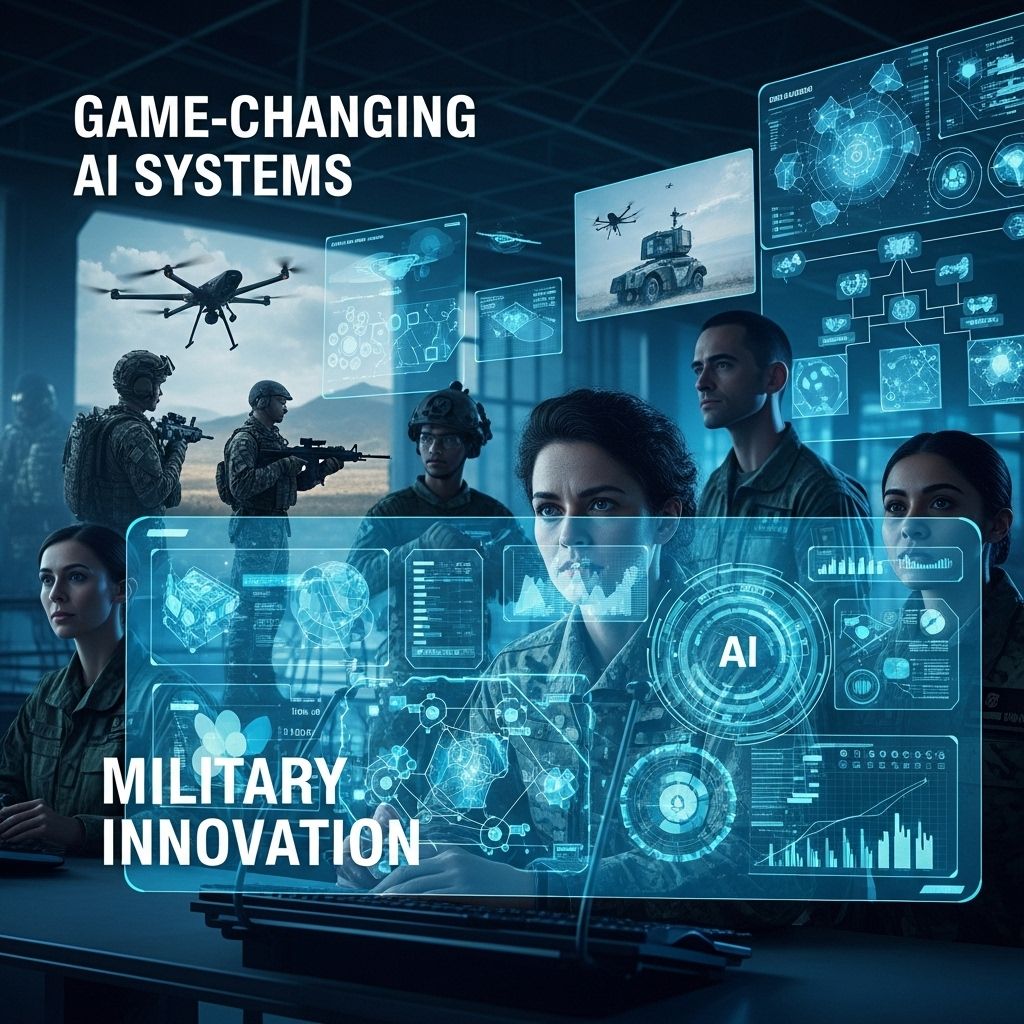

In the rapidly evolving landscape of military technology, artificial intelligence (AI) is proving to be a game changer, particularly in decision support systems. These systems are designed to enhance decision-making processes, providing military leaders with actionable insights and real-time data analysis. As global conflicts become more complex and multifaceted, the integration of AI in military operations is crucial for maintaining strategic advantages. In this article, we will explore three innovative ideas for AI-driven decision support systems that could revolutionize military operations.
1. Predictive Analytics for Battlefield Management
One of the most promising applications of AI in military operations is predictive analytics. By leveraging vast amounts of data from various sources, predictive analytics can help military leaders anticipate enemy movements, understand environmental conditions, and optimize resource allocation.
Key Features of Predictive Analytics
- Data Integration: Combines data from satellites, drones, ground sensors, and intelligence reports.
- Machine Learning: Utilizes algorithms that learn from historical data to make accurate predictions.
- Real-Time Updates: Provides continuous updates to adapt to changing battlefield conditions.
- Scenario Analysis: Allows military planners to simulate multiple scenarios to evaluate potential outcomes.
For instance, a predictive analytics system could analyze troop movements, environmental data, and logistic capabilities to forecast enemy attacks and recommend defensive strategies. This capability not only enhances situational awareness but also empowers commanders to make informed decisions swiftly.
2. Autonomous Decision-Making Systems
As technology advances, the potential for fully autonomous decision-making systems in military operations becomes more feasible. These systems could analyze data and make tactical decisions without human intervention, allowing for rapid responses in dynamic combat environments.
Advantages of Autonomous Systems
- Speed: Capable of processing information and making decisions in real-time.
- Reduced Human Error: Minimizes the risks associated with human biases and fatigue.
- Force Multiplier: Enables smaller units to operate with enhanced capabilities.
- Resource Optimization: Efficiently allocates resources according to mission requirements.
Autonomous systems could be deployed in various roles, such as tactical drones conducting surveillance, automated ground vehicles providing logistical support, or even autonomous weapon systems engaging targets. However, the ethical implications of such systems must be carefully considered, ensuring that they operate within the bounds of international law.
3. AI-Enhanced Cyber Defense Systems
With the increasing importance of cybersecurity in modern warfare, AI-enhanced cyber defense systems are becoming imperative. These systems can analyze network traffic, identify vulnerabilities, and respond to cyber threats autonomously.
Components of AI Cyber Defense Systems
| Component | Description |
|---|---|
| Threat Detection: | AI algorithms monitor for anomalies and identify potential threats in real-time. |
| Incident Response: | Automated responses to cyber threats can mitigate damage before human intervention is necessary. |
| Vulnerability Assessment: | Regularly scans systems for weaknesses and provides recommendations for fortification. |
| Intelligence Gathering: | Collects data from various sources to predict and pre-empt cyber attacks. |
By employing AI, military organizations can enhance their cybersecurity posture, ensuring that sensitive data and systems remain secure against increasingly sophisticated cyber threats.
Challenges and Considerations
While the potential benefits of AI decision support systems in military operations are significant, several challenges must be addressed:
- Ethical Considerations: The use of autonomous systems and AI in warfare raises ethical questions, particularly regarding accountability and decision-making.
- Data Security: Ensuring the integrity and confidentiality of data used in AI systems is paramount to prevent adversaries from gaining insights into military strategies.
- Integration with Existing Systems: AI solutions must be compatible with current military architectures to be effective.
- Training and Education: Military personnel need adequate training to understand and manage AI systems effectively.
The Future of AI in Military Decision Making
The integration of AI in military decision support systems represents a transformative shift in how military operations are conducted. As these technologies continue to evolve, they will play an essential role in enhancing situational awareness, streamlining operations, and improving decision-making processes. By embracing AI-driven solutions, military organizations can stay ahead in the strategically competitive global landscape.
In conclusion, while challenges remain, the strategic implementation of predictive analytics, autonomous decision-making systems, and AI-enhanced cyber defense can significantly enhance military effectiveness. Continued investment in research and development, alongside a commitment to ethical standards, will be crucial in shaping the future of military operations in the age of AI.
FAQ
What are AI decision support systems in the military?
AI decision support systems in the military are advanced technologies that utilize artificial intelligence to analyze data, automate decision-making processes, and enhance operational efficiency during military operations.
How can AI decision support systems improve battlefield strategy?
AI decision support systems can improve battlefield strategy by providing real-time data analysis, predicting enemy movements, optimizing resource allocation, and enabling commanders to make informed decisions quickly.
What role does machine learning play in military AI decision support systems?
Machine learning plays a crucial role in military AI decision support systems by enabling these systems to learn from historical data, adapt to new situations, and improve their predictive capabilities over time.
Can AI decision support systems enhance logistics in military operations?
Yes, AI decision support systems can enhance logistics in military operations by optimizing supply chain management, predicting maintenance needs, and ensuring timely delivery of resources to the front lines.
What are the ethical considerations of using AI in military decision-making?
The ethical considerations of using AI in military decision-making include concerns about accountability, the potential for bias in algorithms, the impact on human decision-making, and adherence to international laws of warfare.
How do AI decision support systems affect soldier safety?
AI decision support systems can significantly enhance soldier safety by providing predictive analytics that identify potential threats, improve situational awareness, and assist in mission planning to minimize risks.


