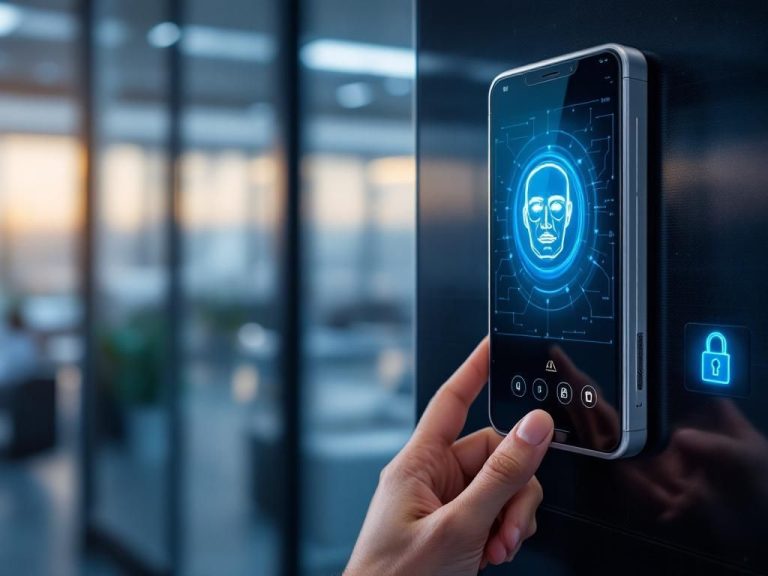
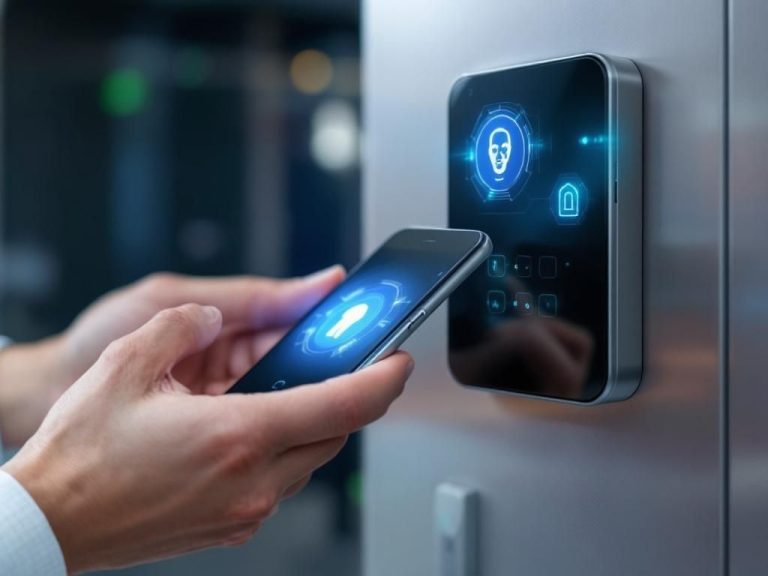
In an age where technology is advancing at breakneck speed, organizations are increasingly turning to innovative solutions to enhance their security measures. Among these, facial recognition technology stands out as a powerful tool that not only improves safety but also adds a layer of convenience. This article delves deep into the workings of facial recognition solutions, their benefits, and the future of this transformative technology in security systems.
Understanding Facial Recognition Technology
Facial recognition technology utilizes artificial intelligence algorithms to map facial features from images or video. It analyzes the geometry of the face, measuring distances between key landmarks such as the eyes, nose, and mouth. Here’s an overview of how it works:
- Image Capture: Cameras capture images of individuals.
- Feature Extraction: The system identifies facial landmarks and creates a unique facial signature.
- Database Matching: The facial signature is compared against a database of stored faces.
- Verification/Identification: The system verifies the identity of the individual or identifies them based on the database.
Applications of Facial Recognition in Security
Facial recognition technology finds a multitude of applications across various sectors. Some common applications include:
1. Physical Security
Many organizations employ facial recognition systems to restrict physical access to buildings or sensitive areas. This method can significantly reduce unauthorized access incidents.
2. Surveillance Systems
Facial recognition is increasingly integrated into surveillance cameras in public places, airports, and transportation hubs to identify potential threats or missing persons.
3. Law Enforcement
Police departments utilize facial recognition software to identify suspects quickly. By comparing images from crime scenes to databases of known criminals, they can expedite investigations.
4. Retail Security
Retailers use facial recognition to identify shoplifters and enhance overall customer experience by providing personalized services based on previous interactions.
Benefits of Implementing Facial Recognition Solutions
Organizations adopting facial recognition solutions can expect numerous benefits:
- Increased Security: Enhanced detection of unauthorized individuals.
- Efficiency: Quicker identification processes, reducing wait times.
- Data Accuracy: High rate of accuracy in identification, minimizing false positives.
- Cost-Effective: Reduction in the need for extensive security personnel.
Challenges and Considerations
While facial recognition offers significant advantages, it is not without challenges. Here are some critical considerations:
| Challenges | Description |
|---|---|
| Privacy Concerns | Fear of surveillance and data misuse can raise ethical questions. |
| Accuracy Issues | Variations in lighting and angles can affect recognition accuracy. |
| Bias in Algorithms | Some systems may perform poorly on specific demographics, leading to discrimination. |
| Regulatory Compliance | Organizations must navigate existing laws and regulations regarding data protection. |
The Future of Facial Recognition in Security
The future of facial recognition technology is promising, with advancements continually enhancing its capabilities. Here are some trends shaping its future:
1. AI Integration
As AI technology evolves, facial recognition systems will become increasingly sophisticated. Machine learning algorithms will improve accuracy and reduce biases.
2. Multi-Factor Authentication
Combining facial recognition with other authentication methods (e.g., biometrics, passwords) will enhance security further.
3. Real-time Analytics
Future systems will provide real-time insights, enabling faster response to security threats.
4. Cloud Computing
Cloud-based facial recognition solutions will allow organizations to access powerful computing resources without hefty infrastructure costs.
Conclusion
Facial recognition technology presents a robust solution for enhancing security across various domains. While it comes with its challenges, the potential benefits are undeniable. As technology progresses, organizations must remain informed about best practices to implement these systems ethically and efficiently, ensuring a secure and safe environment for everyone.
FAQ
What are the benefits of using facial recognition solutions for security?
Facial recognition solutions enhance security by providing accurate identification, reducing unauthorized access, and enabling real-time monitoring of individuals in sensitive areas.
How does facial recognition technology work?
Facial recognition technology works by capturing an image of a person’s face, analyzing facial features, and comparing them to a database of known faces to verify identity.
Is facial recognition safe and compliant with privacy laws?
Facial recognition can be safe if implemented with proper safeguards and compliance measures, including data encryption and adherence to local privacy regulations.
Can facial recognition be used in public spaces?
Yes, facial recognition can be used in public spaces for security purposes, but its use must be balanced with privacy concerns and legal regulations.
What industries can benefit from facial recognition security solutions?
Industries such as retail, banking, transportation, and law enforcement can greatly benefit from facial recognition security solutions to enhance safety and streamline operations.
How can businesses integrate facial recognition into their security systems?
Businesses can integrate facial recognition into their security systems by partnering with technology providers, installing necessary hardware, and ensuring proper training for staff.