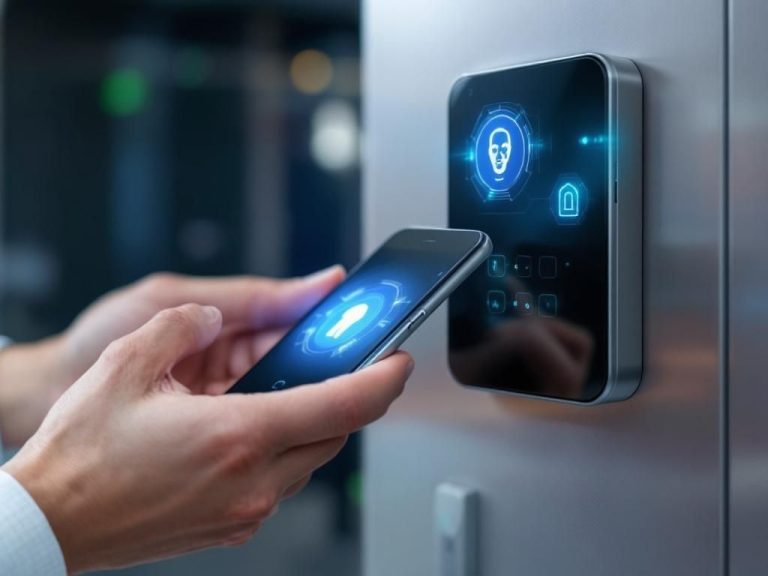
In the rapidly evolving landscape of security technology, facial recognition has emerged as a pivotal tool for enhancing access control systems. As businesses and institutions seek more robust mechanisms to safeguard their premises and sensitive information, the integration of facial recognition technology offers a multitude of advantages. This article delves into the benefits of facial recognition for secure access control, highlighting its efficiency, accuracy, and potential applications across various sectors.
Understanding Facial Recognition Technology
Facial recognition technology relies on biometric software that maps an individual’s facial features and compares them to a database of stored images. This system has evolved from simple image recognition to complex algorithms capable of identifying individuals in real-time with high accuracy.
How It Works
The facial recognition process generally involves several steps:
- Image Capture: A camera captures an image of an individual’s face.
- Feature Extraction: The system analyzes the image to identify distinct facial features, such as the distance between the eyes, the shape of the jawline, and the contour of the cheeks.
- Comparison: The extracted features are then compared against a database to find a match.
- Decision Making: If a match is found, access is granted; otherwise, it is denied.
Key Benefits of Facial Recognition in Access Control
Facial recognition systems offer numerous benefits that enhance security and streamline access control processes. Here are some of the most significant advantages:
1. Enhanced Security
Facial recognition significantly improves security measures for various reasons:
- Personal Identification: Unlike traditional access methods like key cards or PIN codes, facial recognition ensures that only authorized personnel can access secure areas.
- Non-transferable: Facial features are unique to individuals, making the system virtually immune to impersonation attempts.
- Real-Time Monitoring: Integration with surveillance systems allows for immediate identification and alerts regarding unauthorized access.
2. Increased Efficiency
Facial recognition technology streamlines access control processes:
- Quick Access: Users can gain access seamlessly without the need for physical tokens or lengthy authentication processes.
- Reduced Wait Times: Automated systems reduce bottlenecks at entry points, enhancing the flow of individuals in high-traffic areas.
3. Cost-Effective Operations
Implementing facial recognition can lead to significant cost savings in the long run:
- Reduced Need for Security Personnel: Automated systems can replace or reduce the need for security staff, lowering operational costs.
- Minimized Theft and Loss: Enhanced security leads to fewer incidents of theft or vandalism, reducing potential financial losses.
4. User Convenience
Facial recognition offers a user-friendly solution that enhances the overall experience for individuals:
- No Physical Tokens Required: Users do not have to carry key cards or badges, reducing the likelihood of loss or theft.
- Contactless Access: Especially in light of hygiene concerns, contactless entry reduces the need for touching surfaces, promoting a safer environment.
Applications Across Sectors
The versatility of facial recognition technology allows for its application across various sectors, from corporate environments to public safety.
Corporate Security
Many organizations are adopting facial recognition systems to enhance their security protocols:
- Office Buildings: Employees can access secure areas with facial recognition, eliminating the need for traditional ID cards.
- Data Centers: Sensitive areas housing critical infrastructure can benefit from biometric access controls, ensuring that only authorized personnel can enter.
Healthcare Facilities
Facial recognition is also making strides in the healthcare sector:
- Patient Identification: Ensures that patients receive the correct treatment based on accurate identification.
- Staff Access: Medical staff can access restricted areas without physical ID, improving workflow and efficiency.
Public Safety
Facial recognition plays a crucial role in enhancing public safety for law enforcement agencies:
- Surveillance: Real-time identification of individuals in public spaces can help prevent crimes and improve response times to incidents.
- Missing Persons: Authorities can quickly identify individuals who may be lost or missing.
Considerations and Challenges
While the benefits of facial recognition are substantial, several challenges and considerations must be addressed:
- Privacy Concerns: The use of facial recognition raises significant privacy issues, necessitating clear policies and regulations to protect individual rights.
- Data Security: Ensuring that biometric data is stored securely and ethically remains a key challenge.
- Accuracy and Bias: Continued improvements are necessary to minimize biases in facial recognition systems, ensuring equal treatment for all individuals.
Conclusion
Facial recognition technology presents a transformative opportunity for enhancing secure access control across various sectors. By improving security, increasing efficiency, and offering user convenience, organizations can significantly benefit from its implementation. However, it is crucial to address privacy and ethical considerations to ensure that this technology is utilized effectively and responsibly. As advancements continue in this field, the integration of facial recognition into access control systems will undoubtedly shape the future of security and surveillance.
FAQ
What are the benefits of using facial recognition for secure access control?
Facial recognition enhances security by providing a unique biometric identifier, allowing for quick and accurate identification of individuals. It reduces the risk of unauthorized access, streamlines entry processes, and can integrate with existing security systems.
How does facial recognition improve security compared to traditional access control methods?
Facial recognition eliminates the need for physical access cards or keys, which can be lost or stolen. It provides a contactless solution, reducing the risk of transmission of infectious diseases, and offers higher accuracy in identifying individuals.
Can facial recognition technology be used in various industries for access control?
Yes, facial recognition technology can be implemented across multiple industries, including finance, healthcare, education, and government, enhancing security measures specific to their operational needs.
Is facial recognition technology privacy compliant?
Many facial recognition systems are designed with privacy in mind, offering features like data encryption and compliance with regulations such as GDPR. However, organizations must consider local laws and regulations regarding data collection and usage.
What are the potential drawbacks of using facial recognition for access control?
Potential drawbacks include concerns over privacy, the potential for bias in algorithms, and the need for robust data protection measures. Organizations must weigh these factors against the benefits when implementing facial recognition systems.