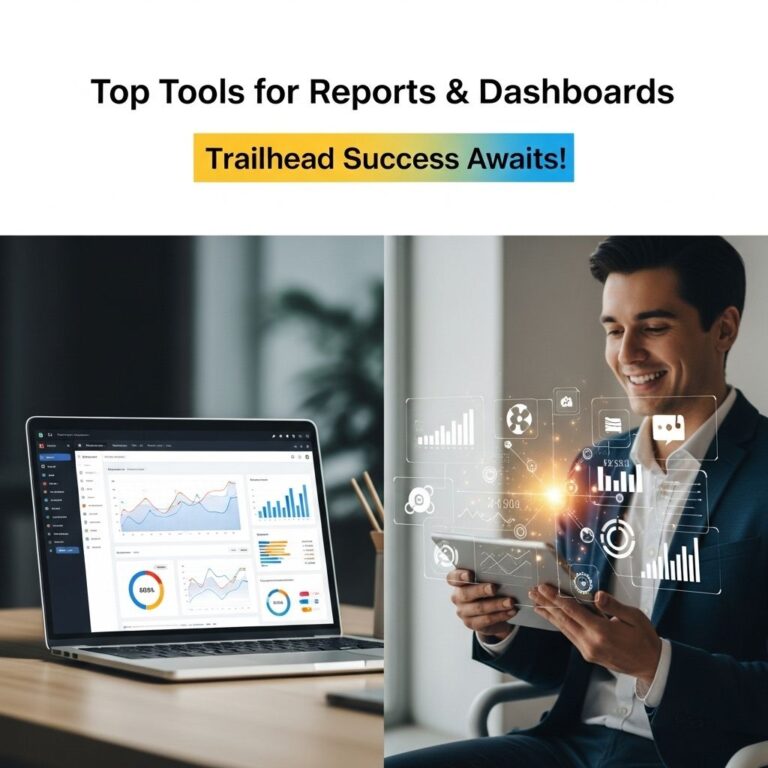
In the rapidly evolving landscape of technology, the potential of data analytics is more significant than ever. Businesses that harness the power of artificial intelligence (AI) can unlock valuable insights from their data, leading to better decision-making and enhanced operational efficiency. AI analytics tools have revolutionized how companies access and interpret their data, allowing for real-time processing and predictive modeling that drives innovation and growth.
Understanding AI Analytics Tools
AI analytics tools employ machine learning algorithms and advanced computational techniques to analyze vast amounts of data. These tools can uncover patterns, predict future trends, and generate actionable insights. Here are some of the critical components of AI analytics:
- Data Collection: Gathering data from various sources, including databases, IoT devices, and social media.
- Data Processing: Cleaning and structuring the data for analysis.
- Machine Learning: Using algorithms to analyze data and make predictions.
- Visualization: Presenting data insights in a user-friendly format.
The Role of AI in Data Analytics
AI enhances traditional data analytics in several ways:
1. Increased Speed and Efficiency
AI algorithms can process data at a speed unmatched by human analysts. This rapid processing allows for:
- Real-time data analysis
- Instantaneous reporting
- Quick identification of anomalies
2. Improved Accuracy
Machine learning models improve over time, leading to greater accuracy in predictions and insights. A few benefits include:
- Reduced human error
- Enhanced predictive capabilities
- More reliable data insights
3. Advanced Predictive Analytics
AI-powered analytics can forecast future trends based on historical data. This capability is invaluable in many sectors, such as:
| Sector | Example Use Case |
|---|---|
| Finance | Credit scoring and fraud detection |
| Healthcare | Patient risk assessment and treatment predictions |
| Retail | Inventory management and consumer behavior forecasting |
Popular AI Analytics Tools
Several AI analytics tools are gaining traction in the market, each catering to different business needs. Here are some of the most popular options:
1. Google Analytics
Google Analytics leverages AI to provide in-depth insights into website traffic and user behavior. Key features include:
- Real-time reporting
- Automated insights
- Customizable dashboards
2. Tableau
Tableau is a leading data visualization tool that incorporates AI to enhance data preparation and analysis. Notable features are:
- Drag-and-drop interface for easy data visualization
- Integration with various databases
- AI-driven analytics capabilities
3. IBM Watson Analytics
IBM Watson Analytics offers AI-driven data discovery and visualization. Its strengths include:
- Natural language processing for querying data
- Predictive analytics
- Collaborative capabilities for teams
Implementing AI Analytics in Your Organization
To successfully integrate AI analytics tools into your organization, consider the following steps:
1. Define Your Goals
Establish clear objectives for what you want to achieve with AI analytics:
- Increased sales
- Enhanced customer experience
- Operational efficiency
2. Choose the Right Tool
Research and select an AI analytics tool that aligns with your goals and organizational needs. Key factors to consider include:
- Scalability
- User-friendliness
- Integration with existing systems
3. Train Your Team
Ensure your team is adequately trained to utilize the chosen AI analytics tool effectively. Consider:
- Formal training sessions
- Online courses
- Continuous learning opportunities
4. Monitor and Optimize
Regularly evaluate the effectiveness of your AI analytics practices and make adjustments as necessary:
- Review insights generated
- Solicit feedback from users
- Iterate on processes and tools
Challenges in AI Analytics
While AI analytics tools offer numerous advantages, organizations may face challenges when adopting them:
Data Privacy Concerns
With the rise of data-driven decision-making comes an increased need for data privacy measures. Organizations must ensure compliance with regulations such as:
- General Data Protection Regulation (GDPR)
- Health Insurance Portability and Accountability Act (HIPAA)
Skill Gaps
The complexity of AI and machine learning may result in a skill gap within the workforce. Companies can address this by:
- Offering training programs
- Hiring skilled professionals
Future Trends in AI Analytics
The field of AI analytics is constantly evolving. Some emerging trends to watch include:
1. Augmented Analytics
Augmented analytics uses AI to enhance data preparation, insight generation, and sharing. It democratizes data access for non-technical users.
2. AI-Driven Decision Making
Organizations will increasingly rely on AI to drive strategic decision-making processes, allowing for data-backed choices rather than gut instincts.
3. Enhanced Data Governance
As data privacy becomes a growing concern, enhanced governance frameworks will emerge to ensure responsible and ethical use of data analytics.
Conclusion
The integration of AI analytics tools into business operations can unlock unparalleled opportunities for insights and growth. By understanding the capabilities and challenges of these tools, organizations can position themselves at the forefront of the data-driven revolution. As technology continues to advance, embracing AI analytics will be crucial for maintaining a competitive edge.
FAQ
What are AI analytics tools?
AI analytics tools are software applications that utilize artificial intelligence to analyze data, uncover patterns, and provide insights for better decision-making.
How can AI analytics tools help my business?
AI analytics tools can help your business by automating data analysis, improving accuracy, identifying trends, and enabling data-driven decision-making.
What types of data can be analyzed with AI tools?
AI tools can analyze various types of data, including structured data (like databases), unstructured data (like social media content), and semi-structured data (like JSON files).
Are AI analytics tools user-friendly?
Many AI analytics tools are designed to be user-friendly, offering intuitive interfaces and features that cater to users without a technical background.
What industries benefit from AI analytics tools?
Industries such as healthcare, finance, retail, and marketing significantly benefit from AI analytics tools to optimize operations and enhance customer experiences.
How do I choose the right AI analytics tool for my needs?
To choose the right AI analytics tool, consider factors such as your business goals, the type of data you have, budget, scalability, and user-friendliness of the platform.