
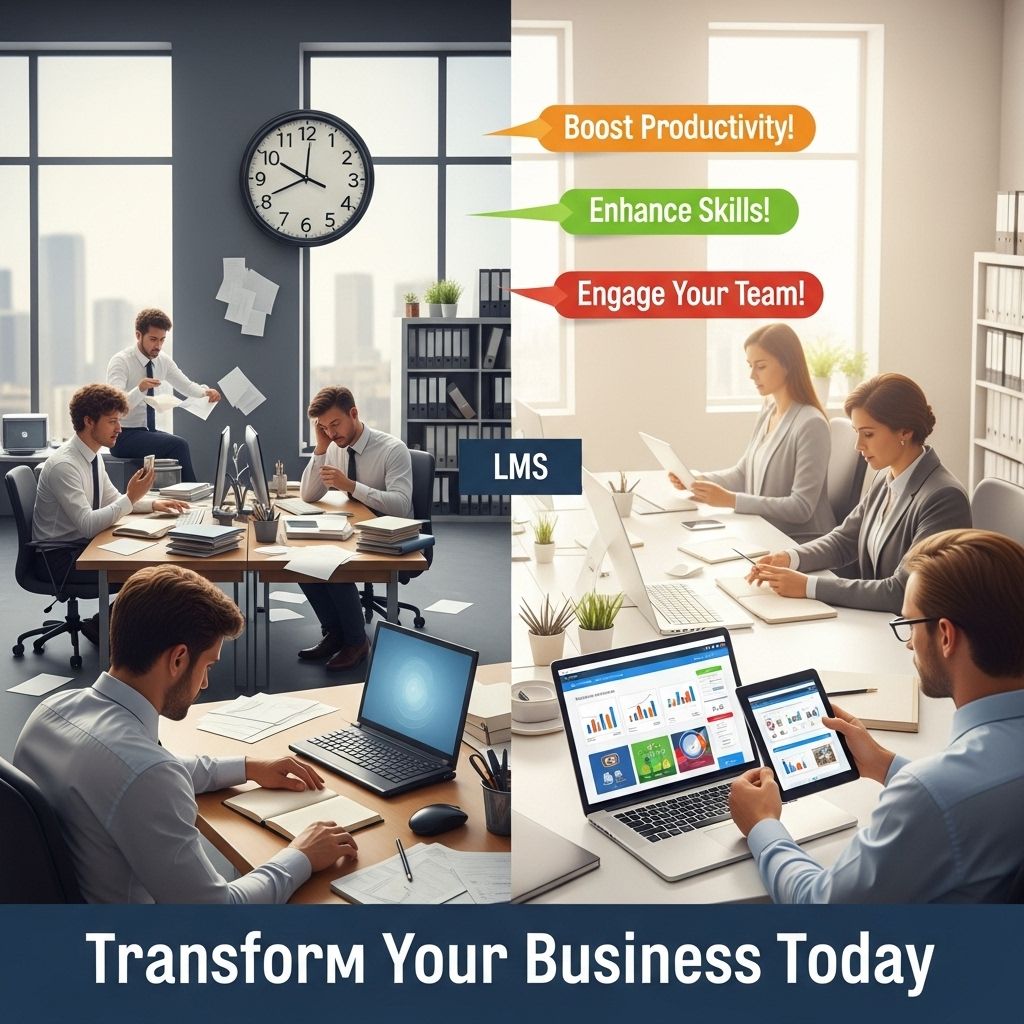

In today’s rapidly evolving digital landscape, businesses are increasingly recognizing the importance of continuous learning and development. A Learning Management System (LMS) can be a pivotal tool in this transformation. By integrating an LMS into your business strategy, you can streamline training processes, enhance employee engagement, and improve overall performance. This article explores how an LMS can revolutionize your training initiatives and drive business success.
What is a Learning Management System (LMS)?
An LMS is a software application that facilitates the administration, documentation, tracking, reporting, and delivery of educational courses or training programs. It enables organizations to deliver training content efficiently, manage learner progress, and assess skills acquisition.
Key Features of an LMS
- Course Management: Create and manage courses, track enrollments, and monitor completion rates.
- Assessment Tools: Conduct quizzes and assessments to evaluate learner knowledge.
- Reporting and Analytics: Generate detailed reports on learner progress and performance metrics.
- Content Management: Upload and organize training materials in various formats (e.g., videos, documents).
- User Management: Manage user roles, permissions, and profiles effectively.
Benefits of Implementing an LMS
Adopting a Learning Management System can yield significant benefits for your organization. Here are some key advantages:
1. Enhanced Learning Experience
An LMS makes learning more engaging and interactive by offering a variety of content formats and assessment options. This not only caters to different learning styles but also keeps learners motivated.
2. Scalable Training Solutions
As businesses grow, so do their training needs. An LMS allows you to easily scale your training efforts to accommodate an expanding workforce, ensuring everyone has access to the resources they need.
3. Cost-Effectiveness
By utilizing an LMS, businesses can reduce training costs associated with traditional classroom training, such as travel, venue booking, and material printing. Furthermore, e-learning reduces the time employees spend away from their jobs.
4. Improved Tracking and Reporting
With built-in analytics tools, an LMS provides real-time insights into employee progress and performance. This data can help identify skill gaps and training needs, allowing for more targeted training initiatives.
Choosing the Right LMS for Your Business
Not all Learning Management Systems are created equal. When selecting an LMS, consider the following criteria:
1. User Interface and Experience
The LMS should have an intuitive user interface that makes navigation easy for both administrators and learners. A poor user experience can hinder engagement and learning outcomes.
2. Integration Capabilities
Ensure that the LMS can integrate seamlessly with other systems you use, such as HR software, CRM systems, and other business tools.
3. Mobile Accessibility
In an era where remote work is increasingly common, having mobile access to training materials is essential. Look for an LMS that offers a mobile-friendly platform.
4. Support and Training
Your LMS provider should offer robust support options, including training materials for administrators and users, as well as responsive customer service.
Implementation Strategies for Your LMS
Successfully implementing an LMS requires careful planning and execution. Here are key strategies to consider:
1. Define Clear Objectives
Before rolling out an LMS, clearly define your training objectives. What skills do you want to develop? What are the desired outcomes for your organization?
2. Involve Stakeholders
Engage stakeholders from various departments to ensure that the LMS meets the needs of all users. Gather feedback from potential learners during the selection process to improve acceptance.
3. Pilot Program
Start with a pilot program to test the LMS with a small group of users. Monitor their feedback and experiences to make necessary adjustments before a full-scale rollout.
4. Continuous Evaluation and Improvement
After implementation, continuously evaluate the effectiveness of the LMS. Solicit feedback regularly, analyze usage patterns, and make adjustments to improve the training experience.
Examples of Popular LMS Platforms
With numerous LMS options on the market, here are a few popular platforms that businesses frequently choose:
| Platform | Key Features | Best For |
|---|---|---|
| Moodle | Open-source, highly customizable, extensive plugins | Education institutions, organizations with tech resources |
| TalentLMS | User-friendly interface, gamification, mobile access | Small to medium businesses |
| Adobe Captivate Prime | Integrated with Adobe tools, AI-driven recommendations | Enterprises using Adobe products |
| SAP Litmos | Mobile-friendly, e-commerce capabilities, rich reporting | Large organizations needing robust analytics |
Conclusion
Implementing a Learning Management System can significantly transform the way businesses approach training and development. By enhancing the learning experience, providing cost-effective solutions, and improving tracking and reporting, an LMS can drive organizational success. As technology continues to evolve, leveraging these systems will become increasingly important in fostering a culture of continuous learning and adaptability.
FAQ
What is a Learning Management System (LMS) and how can it benefit my business?
A Learning Management System (LMS) is a software application that facilitates the management, delivery, and tracking of training and educational programs. It can benefit your business by streamlining employee training, improving knowledge retention, and enhancing overall productivity.
How can I choose the right LMS for my business needs?
To choose the right LMS for your business, consider factors such as ease of use, scalability, integration capabilities, reporting features, and the specific training needs of your organization. Conducting a needs assessment can also help identify the best fit.
What types of training can be delivered through an LMS?
An LMS can deliver various types of training, including onboarding programs, compliance training, skills development, product knowledge, and leadership training. The versatility allows businesses to tailor learning experiences to their specific requirements.
Can an LMS improve employee engagement and retention?
Yes, an LMS can significantly improve employee engagement and retention by providing personalized learning experiences, enabling self-paced courses, and fostering a culture of continuous learning within the organization.
How do I measure the effectiveness of my LMS training programs?
You can measure the effectiveness of your LMS training programs by tracking key performance indicators (KPIs) such as course completion rates, learner feedback, assessment scores, and the impact on job performance and productivity.
Is it possible to integrate an LMS with other business systems?
Yes, many LMS platforms offer integration capabilities with other business systems such as HR software, CRM systems, and performance management tools, allowing for a seamless flow of information and improving overall operational efficiency.


