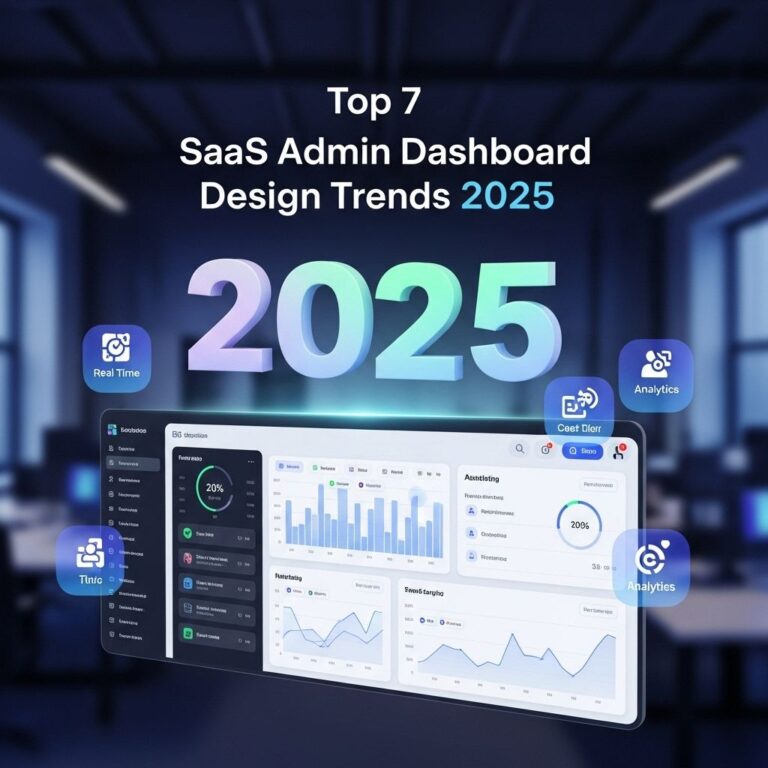
As we move further into the digital age, the landscape of design continues to evolve rapidly. Innovations in technology, shifting user preferences, and the influence of global events are all shaping how we interact with digital interfaces. In 2025, we can expect to see several key design trends that will redefine user experiences and set the stage for future developments. This article explores the top five online design trends anticipated for 2025, providing insights into how they will impact both designers and users alike.
1. Immersive Experiences with AR and VR
Augmented Reality (AR) and Virtual Reality (VR) technologies are no longer the future; they are here and evolving. By 2025, we can expect a significant increase in the integration of AR and VR into online design. These technologies allow users to engage with content in a more immersive way, enhancing their overall experience.
Applications of AR and VR in Design
- Virtual Stores: Retailers will create online shopping experiences that allow users to explore products in a virtual space.
- Interactive Learning: Educational platforms will use VR to create simulated environments for hands-on learning.
- Architectural Visualization: Architects and designers will use AR to showcase buildings and designs in real-world environments.
2. Minimalist and Clean Aesthetics
Minimalism in design has been a trend for several years, but it is set to take a new direction in 2025. As users become more overwhelmed with information, a clean aesthetic that focuses on simplicity will be paramount.
Characteristics of Minimalist Design
- Use of ample white space to enhance readability.
- Simple color palettes with two or three primary colors.
- Clear and concise typography that conveys messages effectively.
Benefits of Minimalist Design
- Improved User Experience: Users can navigate more easily without distractions.
- Faster Load Times: Minimal design often requires less data to load.
- Stronger Branding: A clean aesthetic can strengthen brand identity.
3. Dark Mode and Dynamic Color Palettes
Dark mode has gained popularity among users, and by 2025, it will become a standard feature across many platforms. This trend not only provides a stylish look but also reduces eye strain in low-light environments.
Advantages of Dark Mode
- Lower energy consumption on OLED screens.
- Improved accessibility for users with visual impairments.
- Enhanced focus on content with reduced glare.
Dynamic Color Palettes
In addition to dark mode, the use of dynamic color palettes that adapt to user preferences or environmental lighting will trend. This approach allows for a more personalized experience, making interfaces feel more intuitive.
4. Micro-Interactions for Enhanced Engagement
Micro-interactions are subtle animations or design elements that provide feedback to users during their interaction with a website or app. In 2025, these will play a crucial role in user engagement.
Examples of Micro-Interactions
| Type | Description |
|---|---|
| Button Animations | Buttons that change color or size when hovered over or clicked. |
| Loading Indicators | Creative loading animations that keep users engaged during wait times. |
| Notification Alerts | Subtle notifications that inform users of new messages or updates. |
Benefits of Micro-Interactions
- Improved user feedback and guidance.
- Enhanced emotional connection with users through enjoyable experiences.
- Increased time spent on platforms due to engaging elements.
5. Sustainable and Eco-Friendly Design
As awareness of environmental issues grows, more designers are focusing on sustainability in their work. By 2025, eco-friendly design practices are expected to be a priority across various industries.
Principles of Sustainable Design
- Ethical Material Selection: Choosing materials and processes that have minimal environmental impact.
- Efficient Coding: Writing clean code that reduces energy consumption on servers.
- Accessibility: Designing for all users, including those with disabilities, to promote inclusivity.
Examples of Eco-Friendly Design
Many brands are already implementing sustainable design practices, which could serve as a model for others:
- Companies using recycled materials for packaging designs.
- Digital platforms that prioritize energy-efficient hosting solutions.
- Websites designed with considerations for reducing digital carbon footprints.
Conclusion
Looking ahead to 2025, it is clear that the design landscape will undergo significant transformations driven by technology, user needs, and a greater emphasis on sustainability. Embracing these trends will not only enhance user experiences but also contribute to a more responsible and engaging digital world. For designers, staying ahead of these trends will be essential in creating meaningful, relevant, and impactful online experiences that resonate with users across all demographics.
FAQ
What are the top online design trends for 2025?
The top online design trends for 2025 include immersive 3D experiences, minimalistic layouts, bold typography, sustainable design practices, and AI-driven personalization.
How will immersive 3D experiences impact web design in 2025?
Immersive 3D experiences will allow users to interact with content in a more engaging way, enhancing user experience and making websites more memorable.
Why is minimalistic design still popular in 2025?
Minimalistic design focuses on simplicity and functionality, making it easier for users to navigate and find information, which continues to resonate with modern audiences.
What role does AI play in online design trends for 2025?
AI will be integral in personalizing user experiences, allowing designers to create customized content and layouts based on user preferences and behaviors.
How can businesses incorporate sustainable design practices in 2025?
Businesses can adopt sustainable design practices by utilizing eco-friendly materials, optimizing for energy efficiency, and prioritizing accessibility to reduce their environmental impact.
What is the significance of bold typography in online design trends for 2025?
Bold typography captures attention and conveys messages clearly, making it a crucial element in web design to enhance readability and influence user engagement.