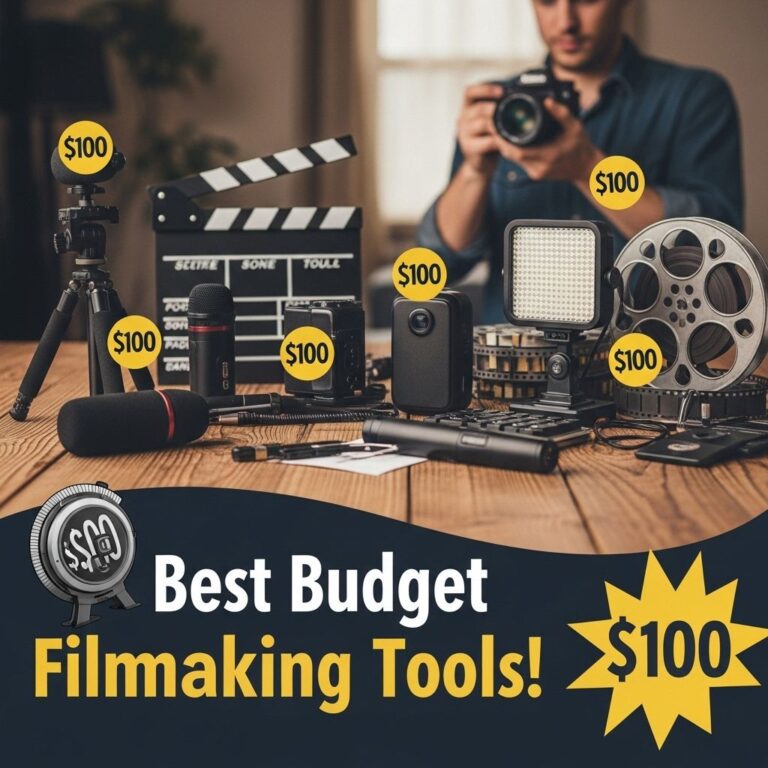
As technology continues to evolve, the tools available for filmmakers also advance, providing new opportunities for creativity and storytelling. The rise of short films, often characterized by their concise narratives and innovative techniques, requires filmmakers to utilize the best tools to maximize their impact. In this article, we will explore the top ten tools for short filmmaking in 2025 that can help both budding and experienced filmmakers bring their visions to life.
1. Camera Equipment
While the storytelling and direction are crucial, the right camera equipment significantly enhances the visual quality of short films. In 2025, several camera options stand out:
- DSLR Cameras: Affordable and versatile, DSLR cameras such as the Canon EOS R5 continue to be popular for their high-quality video capabilities.
- Mirrorless Cameras: The Sony A7S III offers excellent low-light performance, making it a favorite among short filmmakers.
- Action Cameras: The GoPro Hero 10 delivers stunning 4K footage in a compact size, ideal for dynamic shots.
2. Editing Software
Post-production is where the magic happens. The right editing software can streamline your workflow and enhance your film:
- Adobe Premiere Pro: A staple in the film industry known for its extensive features and versatility.
- Final Cut Pro: Favored by Apple users, this software provides powerful editing capabilities and seamless integration with other Apple products.
- DaVinci Resolve: Renowned for its color correction tools, making it ideal for filmmakers focused on aesthetics.
3. Sound Design Tools
Sound plays an integral role in storytelling. In 2025, these tools are essential for sound design:
| Tool | Description |
|---|---|
| Avid Pro Tools | Industry-standard software for audio editing and mixing. |
| Adobe Audition | Comprehensive audio editing software with easy integration with Premiere Pro. |
| Soundtrap | Online collaborative audio editor, great for remote teams. |
4. Scriptwriting Software
A strong script is the backbone of any film. The following tools help writers craft compelling narratives:
- Celtx: A cloud-based tool that offers collaborative features for teams.
- Final Draft: The gold standard for scriptwriting, with advanced formatting options.
- WriterDuet: Ideal for screenwriters looking for collaboration features in real-time.
5. Lighting Equipment
Lighting can dramatically change the look and feel of your film. In 2025, consider the following lighting tools:
- LED Panels: Flexible, energy-efficient lights such as the Godox SL60W are perfect for various setups.
- Softbox Kits: Provide soft, diffused lighting, essential for interviews or narrative films.
- Portable Lights: Compact options like the Aputure Amaran AL-M9 for on-the-go lighting solutions.
6. Storyboarding Tools
Storyboards help visualize scenes before filming. The following software aids in effective planning:
- Storyboarder: A free, open-source tool designed specifically for storyboarding.
- Toon Boom Storyboard Pro: A professional tool that integrates drawing and timing features.
- Plot: A visual storytelling software for easy manipulation of scenes and sequences.
7. Remote Collaboration Tools
With the rise of remote work, filmmakers need tools to collaborate effectively.
- Frame.io: An online platform for video review and collaboration, allowing teams to give feedback in real-time.
- Slack: A messaging app tailored for team communication, great for coordinating projects.
- Google Workspace: A suite that includes Google Drive and Docs, making document sharing and collaboration seamless.
8. Visual Effects Software
Visual effects (VFX) add a layer of depth to storytelling:
- Adobe After Effects: A powerful tool for creating motion graphics and visual effects.
- Nuke: For advanced compositing, ideal for feature films and high-quality shorts.
- HitFilm Express: A free option that combines video editing and VFX capabilities.
9. Distribution Platforms
Getting your short film seen is essential. 2025 offers various platforms to showcase your work:
- Vimeo: Known for quality content and a creative community.
- YouTube: The largest video-sharing platform, providing extensive audience reach.
- FilmFreeway: A platform for submitting films to festivals, helping filmmakers gain recognition.
10. Marketing Tools
Effective marketing strategies are crucial for the success of your short film:
- Canva: A user-friendly design tool for creating promotional materials.
- Mailchimp: An email marketing service to keep your audience informed about your projects.
- Hootsuite: A social media management tool to manage your film’s online presence.
Conclusion
As we advance into 2025, the landscape of short filmmaking continues to evolve with new technologies and tools that empower filmmakers to tell their stories in innovative ways. By leveraging these top ten tools, filmmakers can enhance their creative processes, from scriptwriting to post-production, ensuring their short films stand out in a competitive market. Embrace these advancements and take your filmmaking to the next level.
FAQ
What are the best tools for short film making in 2025?
The best tools for short film making in 2025 include advanced cameras, editing software, sound recording devices, and lighting equipment, all designed to enhance the filmmaking experience.
How important is software in short film production?
Software plays a crucial role in short film production, providing filmmakers with powerful editing, sound design, and visual effects tools that streamline the creative process.
Can I make a short film with a smartphone?
Yes, many filmmakers successfully create high-quality short films using smartphones, combined with professional apps for editing and sound, showcasing the accessibility of filmmaking.
What is the role of lighting in short film making?
Lighting is essential in short film making as it sets the mood, enhances visuals, and highlights key elements, making it a critical aspect of production.
Are there affordable options for film making tools?
Yes, there are many affordable options for filmmaking tools, including budget-friendly cameras, free or low-cost editing software, and DIY lighting solutions that provide professional results.
What editing software is recommended for beginners?
Beginners are often recommended to use user-friendly editing software like Adobe Premiere Pro, Final Cut Pro, or DaVinci Resolve, which offer powerful features and tutorials.