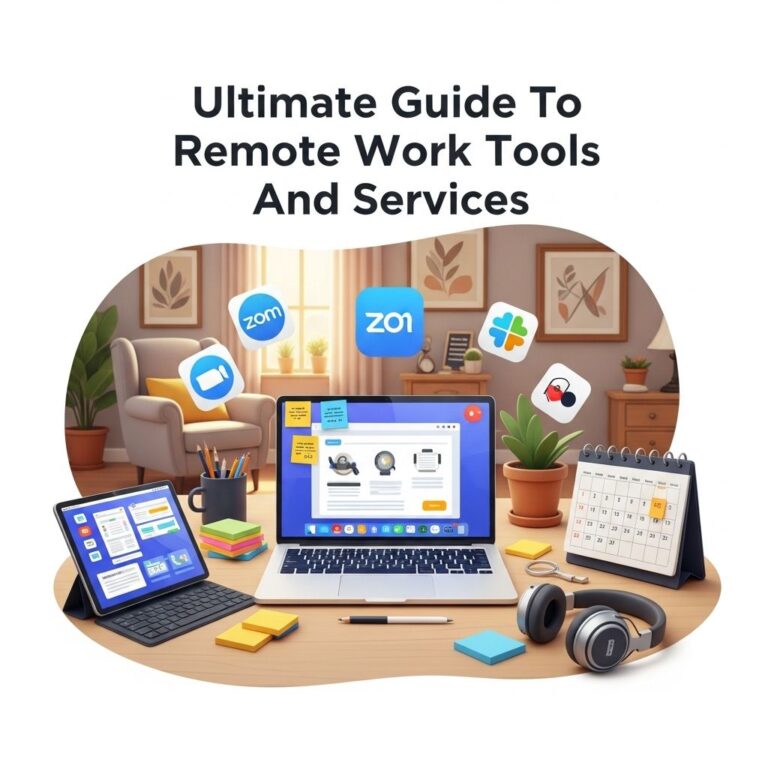
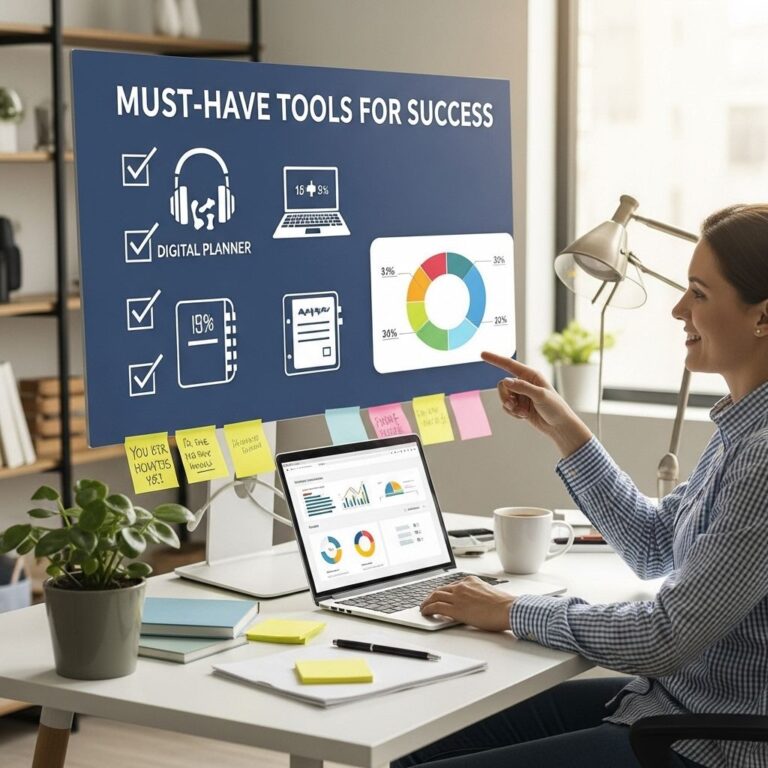
In the evolving landscape of work, remote jobs have surged in popularity, necessitating a new set of skills that cater to a virtual environment. With the increasing reliance on technology, professionals must adapt to this change by mastering crucial remote work skills. Understanding these skills not only enhances productivity but also promotes better collaboration across digital platforms.
1. Communication Skills
Effective communication is the cornerstone of successful remote work. It involves not just clear verbal and written communication but also active listening. Here are some key aspects:
- Utilizing various communication tools (e.g., Slack, Zoom).
- Being concise and clear in emails and messages.
- Practicing empathy and understanding tone in text.
Best Practices for Remote Communication
- Schedule regular check-ins with team members.
- Adopt a communication etiquette for response times.
- Utilize video calls for more personal interactions.
2. Time Management
Working from home can blur the lines between personal and professional times. Mastering time management is essential for maintaining productivity and work-life balance.
Tools for Effective Time Management
| Tool | Description |
|---|---|
| Trello | Visual project management tool. |
| Pomodoro Technique | Work in intervals to enhance focus. |
| RescueTime | Tracks time spent on applications and websites. |
3. Self-Motivation
Without the structure of an office environment, self-motivation becomes crucial. Remote workers need to cultivate a mindset that fosters independence.
Strategies for Self-Motivation
- Set achievable daily goals.
- Create a dedicated workspace.
- Reward yourself after completing tasks.
4. Technical Proficiency
Remote work heavily relies on technology. Being proficient in relevant tools and systems is a must for seamless operations.
Essential Technical Skills
- Familiarity with cloud storage solutions (e.g., Google Drive, Dropbox).
- Understanding collaboration tools (e.g., Microsoft Teams, Asana).
- Basic troubleshooting skills to resolve common tech issues.
5. Adaptability
The remote work environment is often dynamic, and being adaptable is essential. This includes adjusting to new tools, processes, and team dynamics.
How to Build Adaptability
- Embrace feedback and learn from it.
- Stay updated on industry trends and technologies.
- Engage in continuous learning and professional development.
6. Collaboration Skills
Collaboration is different in remote settings as it often relies on digital communication. Being able to work well with others virtually is crucial.
Best Practices for Virtual Collaboration
- Utilize collaborative software effectively.
- Encourage team brainstorming sessions.
- Maintain transparency in task responsibilities.
7. Problem-Solving Skills
Remote work often presents unique challenges that require innovative solutions. Developing strong problem-solving skills empowers you to tackle issues effectively.
Techniques for Enhancing Problem-Solving
- Adopt a systematic approach to identify issues.
- Brainstorm multiple solutions before settling on one.
- Involve team members in the resolution process.
8. Organizational Skills
With numerous tasks and projects, staying organized is vital. This helps in prioritizing tasks and managing deadlines efficiently.
Tools for Better Organization
| Tool | Functionality |
|---|---|
| Notion | All-in-one workspace for notes, tasks, and databases. |
| Todoist | Task manager that helps prioritize and organize tasks. |
| Evernote | Note-taking app that synchronizes across devices. |
9. Emotional Intelligence
Emotional intelligence is essential for understanding and managing your emotions as well as those of your colleagues. This skill fosters better relationships and enhances teamwork.
Developing Emotional Intelligence
- Practice active listening and empathy.
- Manage stress to respond effectively to challenges.
- Engage in self-reflection to understand personal triggers.
10. Networking and Relationship Building
Building relationships remotely can be challenging but is essential for career growth. Leveraging networks can lead to new opportunities and collaborations.
Tips for Effective Networking
- Participate in virtual events and webinars.
- Engage with industry professionals on social media.
- Follow up with contacts after initial meetings.
Conclusion
Mastering these skills will not only enhance your productivity in a remote work setting but also prepare you for future opportunities as the nature of work continues to evolve. By investing in your professional development and embracing these competencies, you can thrive in the remote work environment and beyond.
FAQ
What are the essential skills for remote work?
The essential skills for remote work include effective communication, time management, self-discipline, collaboration tools proficiency, adaptability, and problem-solving.
How can I improve my communication skills for remote work?
To improve your communication skills for remote work, practice active listening, use clear and concise language, and become proficient in virtual communication tools like video conferencing and chat applications.
What tools are recommended for remote collaboration?
Recommended tools for remote collaboration include Slack for messaging, Zoom for video conferencing, Trello or Asana for project management, and Google Workspace for document sharing.
Why is time management important in remote work?
Time management is crucial in remote work to ensure productivity, meet deadlines, and maintain a healthy work-life balance when working from home.
How can I stay motivated while working remotely?
To stay motivated while working remotely, set clear goals, create a dedicated workspace, take regular breaks, and establish a routine that mimics an office environment.
What are the benefits of mastering remote work skills?
Mastering remote work skills can lead to increased job opportunities, enhanced productivity, better work-life balance, and the ability to work from anywhere.