
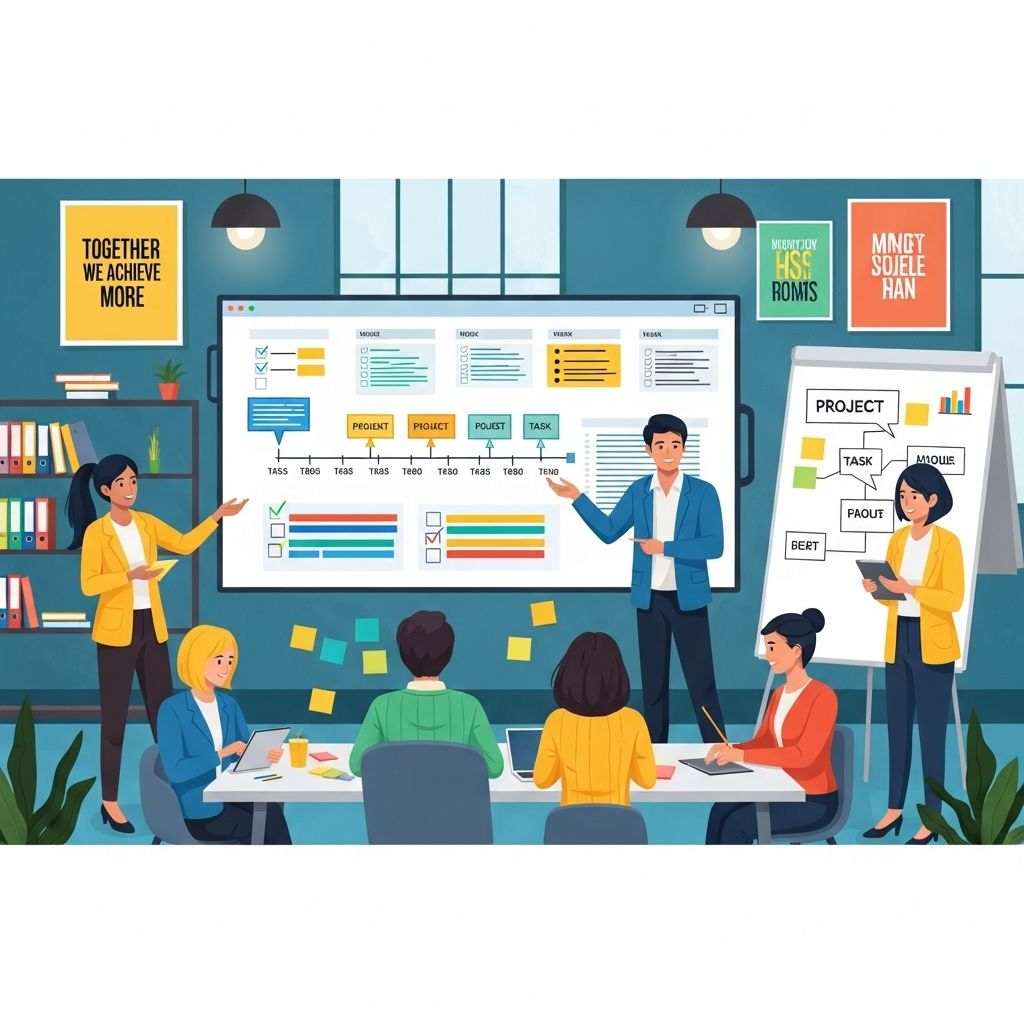

In today’s fast-paced business environment, the success of a project often hinges on the effectiveness of the team managing it. Enter project management tools and techniques—essential elements that can transform teams from disorganized groups into well-oiled machines. These tools not only enhance communication and collaboration but also streamline workflows and improve project outcomes. This article delves into various project management strategies and tools that can elevate your team’s performance to new heights.
Understanding Project Management
Project management is the discipline of planning, executing, and overseeing projects to achieve specific goals within defined constraints such as time, quality, and budget. Effective project management combines skills, techniques, tools, and knowledge to ensure that project objectives are met efficiently.
Key Components of Project Management
- Initiation: Defining the project, its purpose, and scope.
- Planning: Developing a roadmap for achieving project goals.
- Execution: Implementing the project plan and managing the team.
- Monitoring: Tracking progress and making necessary adjustments.
- Closure: Finalizing project deliverables and evaluating performance.
Benefits of Using Project Management Tools
Utilizing project management tools can have a profound impact on team dynamics and project success. Some of the primary benefits include:
- Enhanced Collaboration: Tools facilitate communication among team members, regardless of location.
- Increased Accountability: Clear task assignments and deadlines ensure everyone knows their responsibilities.
- Improved Efficiency: Automating routine tasks allows the team to focus on high-priority activities.
- Better Resource Management: Tools help in tracking resources, avoiding overallocation or conflicts.
- Data-Driven Decisions: Analytics and reporting features provide insights that guide project strategies.
Popular Project Management Tools
There is a plethora of project management tools available in the market today. Here are some of the most popular ones:
| Tool | Best For | Key Features |
|---|---|---|
| Trello | Small teams, visual project management | Boards, lists, cards, integrations |
| Asana | Task management, team collaboration | Task assignments, timelines, dashboards |
| Jira | Agile development, software teams | Issue tracking, scrum boards, reporting |
| Microsoft Project | Complex project scheduling | Gantt charts, resource management, reporting |
| Basecamp | Remote collaboration | Message boards, to-do lists, file sharing |
Incorporating Agile Methodologies
Agile project management is a popular approach that emphasizes flexibility, customer satisfaction, and iterative progress. Implementing Agile methodologies can be a game changer for teams looking to adapt quickly to changes. Here are some core principles of Agile:
- Customer Satisfaction: Deliver valuable software early and continuously.
- Embrace Change: Welcome changing requirements, even late in development.
- Frequent Delivery: Deliver working software frequently, with a preference for shorter timescales.
- Collaboration: Business stakeholders and developers must work together daily.
- Simplicity: The art of maximizing the amount of work not done is essential.
Scrum Framework
One of the most widely used Agile frameworks is Scrum. It divides projects into sprints, which are typically two to four weeks long. Here’s how Scrum operates:
- Roles: Defines three key roles—Product Owner, Scrum Master, and Development Team.
- Events: Includes Sprint Planning, Daily Stand-ups, Sprint Reviews, and Sprint Retrospectives.
- Artifacts: Uses the Product Backlog, Sprint Backlog, and Increment to track progress.
Techniques to Enhance Project Management
Beyond tools, specific techniques can further enhance project management effectiveness:
1. Gantt Charts
Gantt charts visually display project timelines, task durations, and dependencies. They help teams understand the project schedule at a glance.
2. Kanban Boards
Kanban boards visualize workflow and work items. They allow teams to manage tasks in progress and improve throughput.
3. Six Sigma
This data-driven approach focuses on improving quality by removing defects and reducing variability in processes.
Best Practices for Successful Project Management
To maximize the effectiveness of project management tools and techniques, consider the following best practices:
- Set Clear Objectives: Define specific, measurable goals for each project.
- Foster Communication: Encourage open dialogue among team members to address issues promptly.
- Regularly Review Progress: Conduct frequent check-ins to adjust plans as needed.
- Encourage Team Input: Involve the team in decision-making to improve buy-in and motivation.
- Invest in Training: Provide team members with training on the tools and techniques being employed.
Conclusion
The integration of project management tools and techniques is crucial for any team looking to improve performance and deliver results. By embracing the appropriate tools, methodologies, and best practices, organizations can cultivate a collaborative environment that empowers teams to thrive and excel. As project landscapes continue to evolve, staying informed and adaptable will be essential for ongoing success in project management.
FAQ
What are project management tools?
Project management tools are software applications that help teams plan, execute, and monitor project activities effectively. They streamline collaboration, resource allocation, and progress tracking.
How can project management techniques improve team productivity?
Project management techniques, such as Agile and Waterfall, help teams organize tasks, set clear goals, and prioritize work, resulting in improved focus and higher productivity.
What are the benefits of using project management software?
Using project management software enhances communication, provides real-time updates, facilitates document sharing, and aids in task management, thus leading to more efficient project execution.
How do I choose the right project management tool for my team?
To choose the right project management tool, consider factors like team size, project complexity, required features, integration capabilities, and budget.
Can project management tools be used for remote teams?
Yes, project management tools are ideal for remote teams as they enable collaboration, task tracking, and communication from anywhere, ensuring that all team members stay aligned and engaged.
What techniques can enhance team collaboration in project management?
Techniques such as regular stand-up meetings, using collaborative tools, setting clear roles and responsibilities, and maintaining open communication channels can significantly enhance team collaboration.


