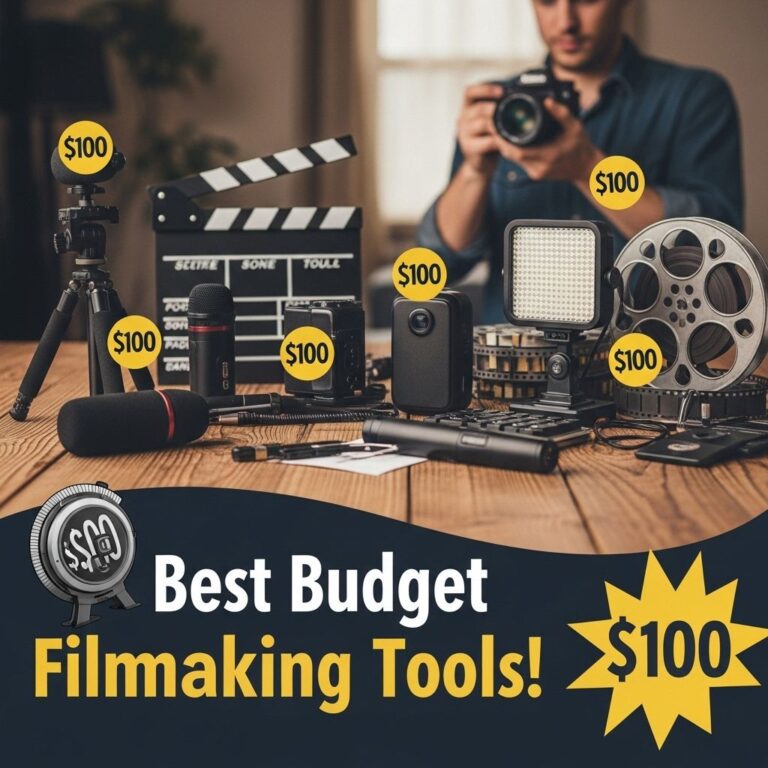
In an era where storytelling is more accessible than ever, short films have emerged as a captivating medium for both budding filmmakers and seasoned professionals. With the advent of technology, the tools available for creating stunning movies have evolved dramatically. This article delves into the essential tools and techniques for short filmmaking, providing you with a roadmap to bring your creative vision to life.
Understanding the Basics of Short Filmmaking
Before diving into the tools, it’s crucial to grasp the fundamental principles of filmmaking. Short films typically run between one and forty minutes and serve various purposes: from showcasing talent to telling poignant stories within a limited time frame.
The Importance of a Strong Script
A solid script is the backbone of any film. Here are some key elements to consider:
- Character Development: Create relatable characters with clear goals.
- Conflict: Introduce challenges that will engage the audience.
- Resolution: Conclude with a satisfying ending that ties up loose ends.
Essential Filmmaking Tools
Now that you understand the basics, let’s explore the essential tools for creating short films.
1. Cameras
The camera is perhaps the most crucial piece of equipment. Depending on your budget and needs, you can choose from:
| Camera Type | Best For | Price Range |
|---|---|---|
| DSLR | Versatile shooting | $500 – $2000 |
| Mirrorless | Lightweight and compact | $700 – $3000 |
| Smartphone | Budget-friendly and portable | $300 – $1500 |
2. Audio Equipment
Great visuals can be ruined by poor sound quality. Invest in quality audio equipment such as:
- Lavaliers: Ideal for capturing dialogue.
- Shotgun Microphones: Effective for directional sound capture.
- Audio Recorders: Essential for recording high-quality audio separately.
3. Lighting Tools
Lighting dramatically affects the mood and tone of your film. Here are some lighting options:
- Softboxes: Create a soft, diffused light.
- LED Panels: Offer adjustable color temperatures and brightness.
- Reflectors: Help bounce light for a more balanced look.
Post-Production Tools
Once filming is complete, the next crucial phase is post-production. Here’s a look at some vital editing tools:
Video Editing Software
Select software that meets your technical requirements and skill level. Consider:
- Adobe Premiere Pro: Industry standard with extensive features.
- Final Cut Pro: Great for Mac users with a user-friendly interface.
- DaVinci Resolve: Free version offers powerful features for color grading and editing.
Sound Editing Tools
Achieving high-quality sound is essential. Use tools like:
- Audacity: Free tool for audio editing.
- Adobe Audition: Professional audio editing software.
Techniques to Enhance Your Short Film
Beyond tools, employing effective filmmaking techniques can enhance the overall quality of your short film. Consider the following:
Storyboarding
Creating a storyboard helps visualize scenes, plan shots, and ensure a coherent flow. Here are the steps to storyboard your film:
- Break down the script into scenes.
- Sketch each scene with key actions.
- Indicate camera angles and movements.
Color Grading
Color grading can significantly impact the mood of your film. Use software like DaVinci Resolve for detailed color correction to see how colors can influence storytelling:
- Warm Tones: Evoke feelings of nostalgia or comfort.
- Cool Tones: Create a sense of detachment or tension.
Sound Design
Sound design refers to the creation of soundtracks and sound effects that complement the visual aspects of your film. Key elements include:
- Ambient Sound: To create a realistic environment.
- Foley Effects: To enhance realism by adding sound to actions.
- Music: Sets the tone and pace of the film.
Distribution Platforms for Your Short Film
Once your film is complete, the next step is to share it with the world. Here are popular distribution platforms:
- YouTube: The go-to platform for sharing content with a large audience.
- Vimeo: Ideal for filmmakers focusing on high-quality visuals.
- Film Festivals: Submit your film to showcase your work and gain recognition.
Conclusion
Creating stunning short films is an exciting journey that blends storytelling with technical skills. By understanding the essential tools, implementing effective techniques, and utilizing appropriate distribution methods, you can craft compelling narratives that resonate with audiences. So gather your equipment, write that script, and start making your mark in the world of filmmaking!
FAQ
What are the best short film making tools for beginners?
Some of the best short film making tools for beginners include user-friendly software like iMovie, Adobe Premiere Rush, and Filmora, which offer intuitive interfaces and essential features.
How can I improve my short film’s storytelling?
Improving your short film’s storytelling can be achieved by focusing on a strong narrative structure, character development, and engaging visuals that support the plot.
What equipment do I need for short film production?
Essential equipment for short film production includes a good camera, tripod, microphone, and lighting equipment to ensure high-quality audio and visuals.
What are some tips for shooting a short film on a budget?
To shoot a short film on a budget, consider using natural lighting, borrowing equipment, filming in free locations, and utilizing free editing software.
How long should a short film be?
A short film typically ranges from 1 to 30 minutes, with many film festivals considering works under 15 minutes as short films.
What is the importance of sound design in short films?
Sound design is crucial in short films as it enhances the storytelling, sets the mood, and engages the audience, making the overall experience more immersive.