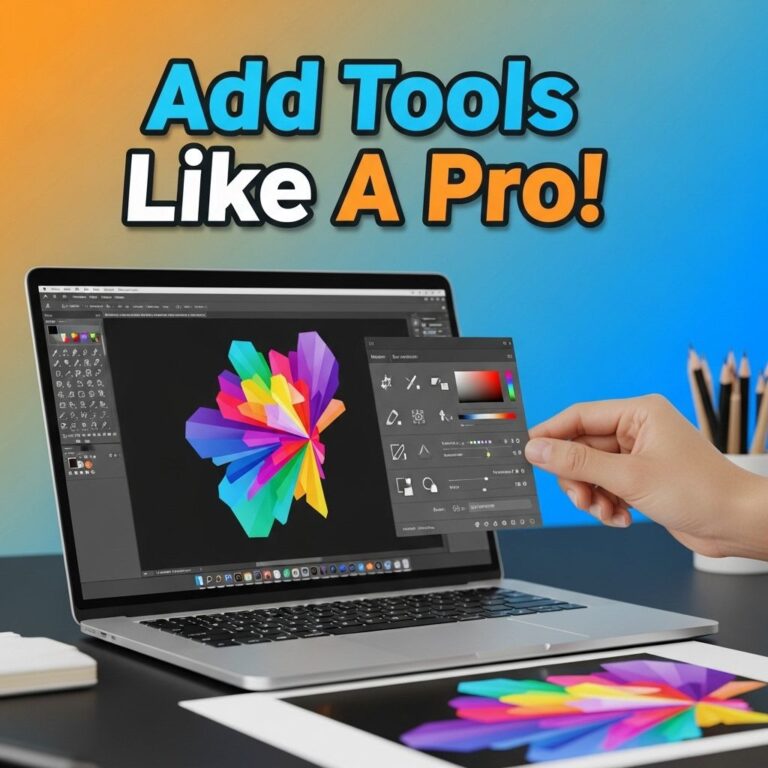
Creating a memorable logo is crucial for any brand. A logo is often the first impression customers have of a business, and its design can significantly impact brand perception. Minimalist logos, characterized by simplicity and clarity, have gained popularity in recent years. These logos utilize basic shapes, limited color palettes, and straightforward typography to convey a brand’s message and identity effectively. In this article, we will explore the principles of minimalist logo design, the process of creating one, and tips for ensuring your design stands out.
Understanding Minimalism in Design
Minimalism in design is all about stripping away the unnecessary elements to focus on the essential. This concept can be traced back to various art movements and has found its way into numerous design disciplines, including graphic design, architecture, and product design.
The Key Principles of Minimalist Design
- Simplicity: Use fewer elements to convey your message effectively.
- Functionality: Every design choice should serve a purpose.
- Negative Space: Utilize empty spaces to enhance visual impact.
- Consistency: Maintain uniformity across all brand materials.
- Timelessness: Aim for designs that won’t quickly become outdated.
Steps to Create a Minimalist Logo
Designing a minimalist logo involves a series of thoughtful steps. Here’s a concise guide to help you through the creative process:
1. Research and Inspiration
Before jumping into the design process, gather inspiration from various sources. Explore:
- Design websites (e.g., Behance, Dribbble)
- Logos from successful brands in your industry
- Artistic movements that align with the minimalist ideology
2. Define Your Brand Identity
Understanding your brand’s core values and personality is crucial. Ask yourself the following questions:
- What is the mission of your brand?
- What values do you want to convey?
- Who is your target audience?
3. Sketching Concepts
Start sketching ideas based on your research and brand identity. Focus on:
- Basic shapes and symbols
- Simple typography
- Innovative use of negative space
4. Choose a Color Palette
In minimalist design, color plays a vital role in conveying emotions and identity. Consider:
- Neutral colors for a clean and sophisticated look
- Bold colors for a striking appearance
- Monochrome schemes for timelessness
5. Typography Selection
The right font choice can enhance your logo’s message. Choose from:
| Font Type | Description |
|---|---|
| Serif | Traditional and trustworthy. |
| Sans-Serif | Modern and clean. |
| Script | Elegant and personal. |
| Display | Unique and artistic. |
6. Digital Design
Once you have finalized your sketches, it’s time to digitize your logo. Use graphic design software like Adobe Illustrator, CorelDRAW, or free alternatives like Inkscape. During this phase:
- Refine shapes and lines for sharpness.
- Ensure scalability without loss of quality.
- Test different variations of your design.
7. Get Feedback
Gather opinions from trusted peers or potential customers. Constructive feedback can provide valuable insights that might enhance your design. Consider using:
- Online surveys
- Focus groups
- Social media polls
8. Finalize Your Logo
After incorporating feedback, finalize the logo by ensuring:
- The design is versatile across various formats (print, web, etc.).
- It maintains clarity at different sizes.
- It aligns with your overall brand strategy.
Tips for Creating a Memorable Minimalist Logo
To ensure your minimalist logo leaves a lasting impression, consider these additional tips:
1. Focus on Usability
Your logo should work well across all mediums, including:
- Business cards
- Websites
- Social media profiles
- Merchandise
2. Embrace Negative Space
Negative space can create clever designs that engage viewers. Think of brands like FedEx, which uses negative space to convey movement and speed.
3. Be Unique
Avoid common design clichés. Aim to create something fresh and innovative that truly represents your brand’s essence.
4. Test in Different Contexts
Visualize your logo in various scenarios to see how it performs in real-world applications. Make adjustments as necessary.
5. Keep It Timeless
Trendy designs can quickly become outdated. Aim for a logo that will remain relevant for years to come.
Conclusion
Creating a stunning minimalist logo requires a blend of creativity, strategic thinking, and an understanding of design principles. By following the outlined steps and incorporating valuable tips, you can craft a logo that not only represents your brand but also resonates with your audience. Remember, simplicity is the ultimate sophistication, and a well-designed minimalist logo can make a significant impact on your brand’s success.
FAQ
What is a minimalist logo?
A minimalist logo is a design that uses simple shapes, limited color palettes, and clean lines to create a visually appealing and easily recognizable brand identity.
What are the key elements of a stunning minimalist logo?
Key elements include simplicity, scalability, versatility, effective use of negative space, and a strong focus on typography.
How do I choose colors for a minimalist logo?
When choosing colors, opt for a limited palette that reflects your brand’s personality, typically using one or two main colors along with neutral tones.
What tools can I use to create a minimalist logo?
You can use graphic design software like Adobe Illustrator, Canva, or online logo makers that offer minimalist templates for easy customization.
How can I ensure my minimalist logo is unique?
Research existing logos in your industry, sketch multiple concepts, and focus on creating a design that reflects your brand’s values and mission.
Why is simplicity important in logo design?
Simplicity makes logos more memorable, versatile, and effective in communicating your brand message across various media and sizes.