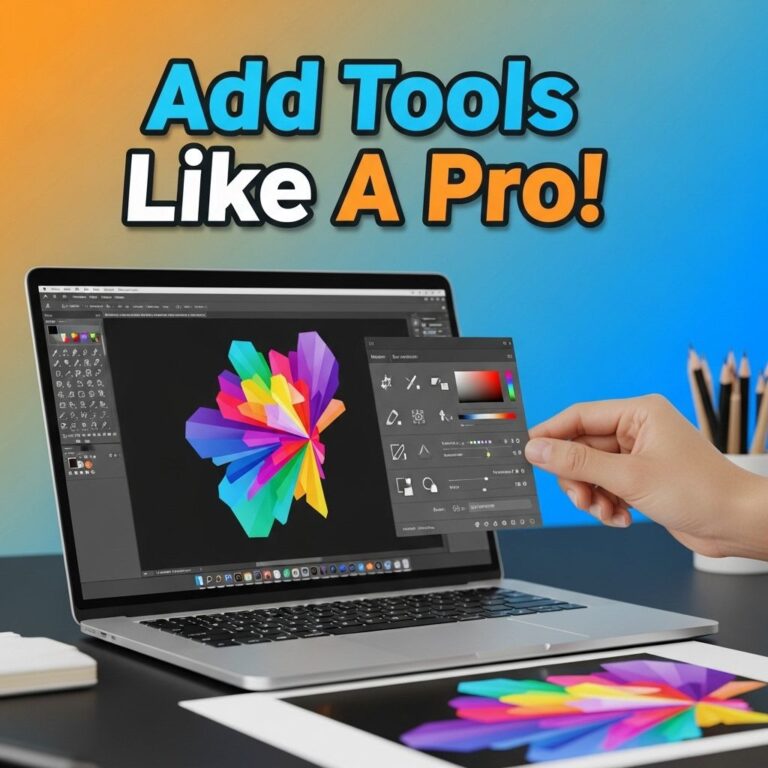
In today’s digital world, a logo serves as the face of a brand. It’s not just a symbol; it’s a powerful tool that communicates the essence of the company. Crafting an aesthetic logo that resonates with your audience is an art form that combines creativity, strategy, and a deep understanding of design principles. In this article, we will explore the key elements of creating stunning aesthetic logos, the importance of branding, and practical steps to deliver a logo that stands out.
The Importance of a Well-Designed Logo
A well-designed logo is crucial for several reasons:
- Brand Recognition: A unique logo helps in cementing the identity of a business in the minds of consumers.
- Professionalism: A polished logo conveys professionalism and seriousness, encouraging consumer trust.
- Memorable Impact: An aesthetically pleasing logo tends to be more memorable, increasing the likelihood of customer retention.
Understanding Aesthetic Principles in Logo Design
Before you start sketching ideas, it’s essential to grasp the foundational elements of aesthetic design. Here are some principles to keep in mind:
1. Simplicity
A simple logo is often the most effective. It should be easily recognizable and scalable. Consider logos like Nike or Apple, which are uncomplicated yet iconic.
2. Relevance
The logo should align with the brand’s industry and values. Ensure it reflects what the business stands for.
3. Versatility
Your logo should look good across a variety of mediums, from business cards to billboards. It should be effective in color and black-and-white.
4. Timelessness
Avoid trends that might quickly fade. Instead, focus on creating something that will remain relevant for years to come.
5. Balance and Symmetry
Good logos are typically well-balanced and pleasing to the eye. Consider the use of symmetry in your designs.
Steps to Create Stunning Aesthetic Logos
Step 1: Research and Inspiration
Before diving into the design process, conduct thorough research to gather inspiration:
- Look at competitor logos for insights into industry standards.
- Explore design websites like Dribbble, Behance, or Pinterest for creative ideas.
- Compile a mood board that captures the aesthetic direction you want to pursue.
Step 2: Define Your Brand Identity
Understanding the brand is critical. Develop a brand identity statement that covers:
- Mission: What is the core mission of the brand?
- Values: What values does the brand uphold?
- Target Audience: Who is the brand trying to reach?
- Unique Selling Proposition: What sets the brand apart from the competition?
Step 3: Choose Your Colors Wisely
Color choice plays a pivotal role in how a logo is perceived. Here’s a quick guide:
| Color | Emotion |
|---|---|
| Red | Passion, Energy |
| Blue | Trust, Calmness |
| Green | Growth, Health |
| Yellow | Optimism, Clarity |
| Purple | Luxury, Creativity |
Consider the psychology of colors when creating your logo to evoke the desired emotional response.
Step 4: Typography Choices
The typography used in your logo speaks volumes. Consider the following:
- Choose fonts that are readable at various sizes.
- Use no more than two different fonts to maintain visual harmony.
- Consider custom typography to give your logo a unique flair.
Step 5: Sketch and Conceptualize
Start sketching your ideas. Don’t hold back—this is the time to be creative. Once you have a few concepts, digitalize them using design software like Adobe Illustrator or Sketch.
Step 6: Gather Feedback
Once you have a few refined logo concepts, gather feedback from trusted peers or your target audience. Use their insights to make necessary adjustments.
Step 7: Finalize Your Design
After collecting feedback, it’s time to finalize your design. Ensure that it meets all the aesthetic principles discussed earlier. Prepare multiple file formats for versatile use (e.g., .ai, .png, .jpg).
Common Mistakes to Avoid
While designing logos, it’s easy to make mistakes. Here are several pitfalls to avoid:
- Overcomplicating the Design: Simplicity is key; don’t overdo it.
- Ignoring Brand Identity: Always align the design with the brand’s core values.
- Following Trends Blindly: Design for longevity, not just current trends.
- Neglecting Scalability: Ensure the logo is versatile for all media.
Conclusion
Creating a stunning aesthetic logo is a process that blends art and strategy. By understanding the importance of good design, researching thoroughly, and following a structured approach, you can create a logo that not only looks great but serves as a powerful reflection of your brand’s identity. Remember, your logo is often the first impression you make on potential customers—make it count!
FAQ
What are aesthetic logos?
Aesthetic logos are visually appealing designs that convey a brand’s identity through artistic elements, color schemes, and typography.
What design principles should I follow for creating aesthetic logos?
Key design principles include simplicity, balance, color harmony, and unique typography to ensure the logo is both attractive and memorable.
How do I choose the right colors for my aesthetic logo?
Choose colors that reflect your brand’s personality and values, considering color psychology to evoke the desired emotional response from your audience.
What tools can I use to create stunning aesthetic logos?
Popular design tools include Adobe Illustrator, Canva, and Figma, which offer various features to help you create professional-looking logos.
Should I hire a designer or create my own aesthetic logo?
It depends on your budget and design skills. Hiring a professional designer can ensure a unique and high-quality logo, while DIY tools enable cost-effective options.
How can I test the effectiveness of my aesthetic logo?
Gather feedback from your target audience, conduct surveys, and analyze the logo’s performance across different platforms to ensure it resonates well.