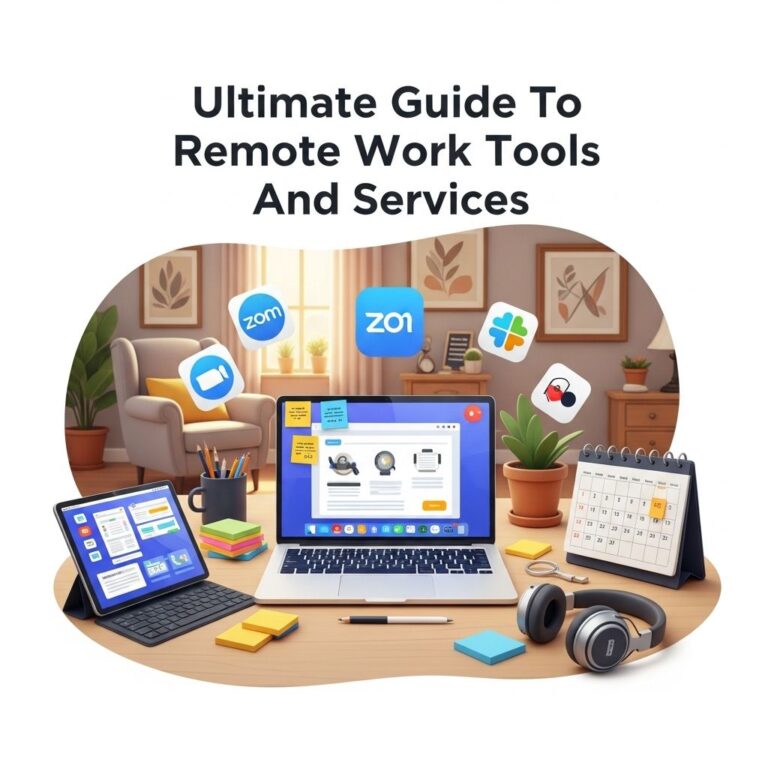
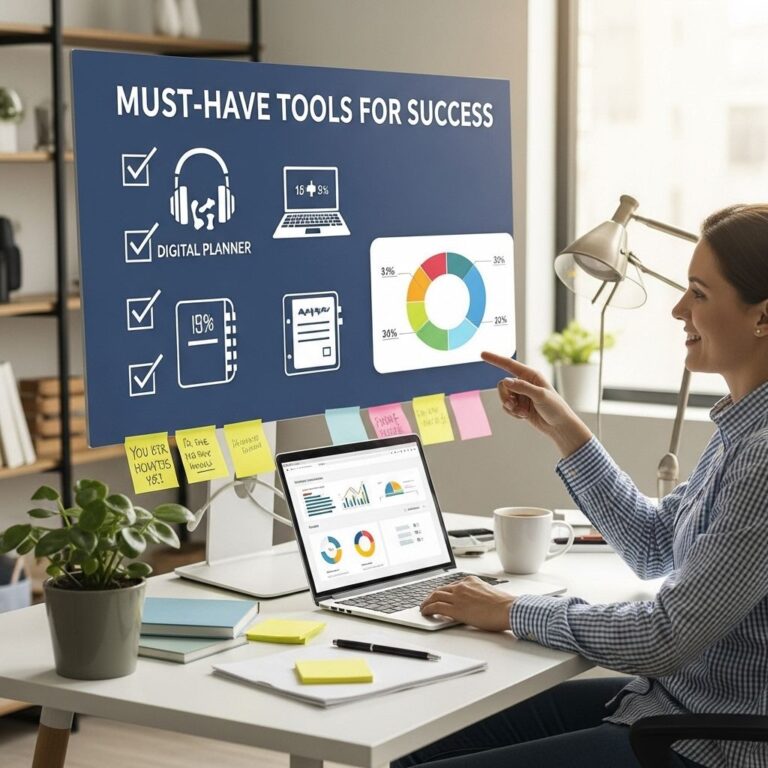
In today’s ever-evolving work landscape, remote working has become not just a preference but a necessity for many professionals. The transition from traditional office environments to home offices brings with it a unique set of challenges and opportunities. To thrive in this new setup, remote workers need to equip themselves with specific skills that enhance productivity, communication, and collaboration. Here, we delve into ten essential remote working skills that are critical for success.
1. Time Management
Effective time management is the cornerstone of successful remote work. When working from home, distractions are abundant, and staying focused can be a challenge. To manage your time efficiently, consider the following strategies:
- Set Clear Goals: Define daily, weekly, and monthly goals to keep yourself on track.
- Use a Planner: Whether digital or physical, a planner can help you organize your tasks and deadlines.
- Implement the Pomodoro Technique: Work in focused bursts followed by short breaks to maintain high levels of concentration.
2. Communication Skills
Strong communication skills are vital in a remote setting where face-to-face interactions are limited. Here are ways to enhance your communication:
Verbal Communication
Make use of video conferencing tools (like Zoom or Microsoft Teams) to maintain a personal connection. Remember to:
- Speak clearly and at a moderate pace.
- Use a good quality microphone to ensure your voice is heard.
- Maintain eye contact by looking into the camera.
Written Communication
Written communication is equally important. To improve clarity:
- Be concise and to the point.
- Use bullet points for easier readability.
- Proofread your messages to avoid misunderstandings.
3. Digital Literacy
Proficiency in digital tools is no longer optional. Here are key areas where digital literacy is essential:
| Tool | Use Case |
|---|---|
| Slack | Team communication and collaboration |
| Trello | Project management and task tracking |
| Google Suite | Document creation and sharing |
Invest time in learning these tools to streamline your workflow.
4. Self-Motivation
In a remote setting, self-motivation is crucial as you lack direct supervision. To cultivate self-motivation:
- Establish a dedicated workspace that reflects your work mode.
- Reward yourself upon completing tasks to maintain enthusiasm.
- Find inspiration through online courses or webinars related to your field.
5. Adaptability
The tech landscape is constantly changing, and so are work practices. Embrace adaptability by:
- Staying updated with industry trends.
- Being open to new tools and technologies.
- Participating in professional development opportunities.
6. Collaboration Skills
Collaboration is essential in remote teams. Enhance your collaboration skills by:
Embracing Teamwork
Use collaborative tools effectively:
- Contribute actively during team meetings.
- Share documents and resources easily through cloud services.
- Utilize brainstorming tools to generate ideas collaboratively.
Setting Clear Expectations
Ensure everyone is on the same page by:
- Defining roles and responsibilities within the team.
- Setting deadlines for collaborative projects.
- Providing constructive feedback regularly.
7. Problem-Solving
In a remote environment, you’ll encounter unique challenges. Strengthen your problem-solving skills by:
- Analyzing problems critically before jumping to solutions.
- Researching solutions online or consulting with peers.
- Documenting solutions for future reference.
8. Networking
Even remotely, networking is crucial for career growth. To build your professional network:
- Engage in online forums and communities.
- Attend virtual conferences and webinars.
- Utilize platforms like LinkedIn to connect with industry professionals.
9. Work-Life Balance
Maintaining a healthy work-life balance is essential to avoid burnout. To achieve this:
- Set clear working hours and stick to them.
- Plan regular breaks to recharge.
- Engage in leisure activities after work hours.
10. Critical Thinking
Lastly, critical thinking allows you to make informed decisions. Enhance your critical thinking skills by:
- Questioning assumptions before accepting them.
- Evaluating arguments and evidence logically.
- Considering multiple perspectives when making decisions.
In conclusion, mastering these ten remote working skills can significantly enhance your productivity and effectiveness in a remote work environment. As you adapt to this new normal, remember that continuous improvement is key. Embrace these skills and take proactive steps to ensure you not only survive but thrive as a remote worker.
FAQ
What are the essential skills for remote working?
Essential skills for remote working include communication, time management, self-discipline, adaptability, and technical proficiency.
How can I improve my communication skills for remote work?
Improving communication skills for remote work can be achieved through regular video meetings, utilizing messaging platforms effectively, and being clear and concise in written communication.
What role does time management play in remote work?
Time management is crucial in remote work as it helps individuals prioritize tasks, set deadlines, and maintain a work-life balance, ensuring productivity and reducing burnout.
Why is self-discipline important for remote employees?
Self-discipline is important for remote employees because it allows them to stay focused, meet deadlines, and maintain productivity without the structure of a traditional office environment.
How can I adapt to different work environments while working remotely?
To adapt to different work environments while working remotely, be flexible, open to feedback, and willing to adjust your work habits to suit various team dynamics and tools.
What technical skills should I develop for remote work?
Technical skills to develop for remote work include proficiency in collaboration tools, project management software, and basic troubleshooting for common tech issues.