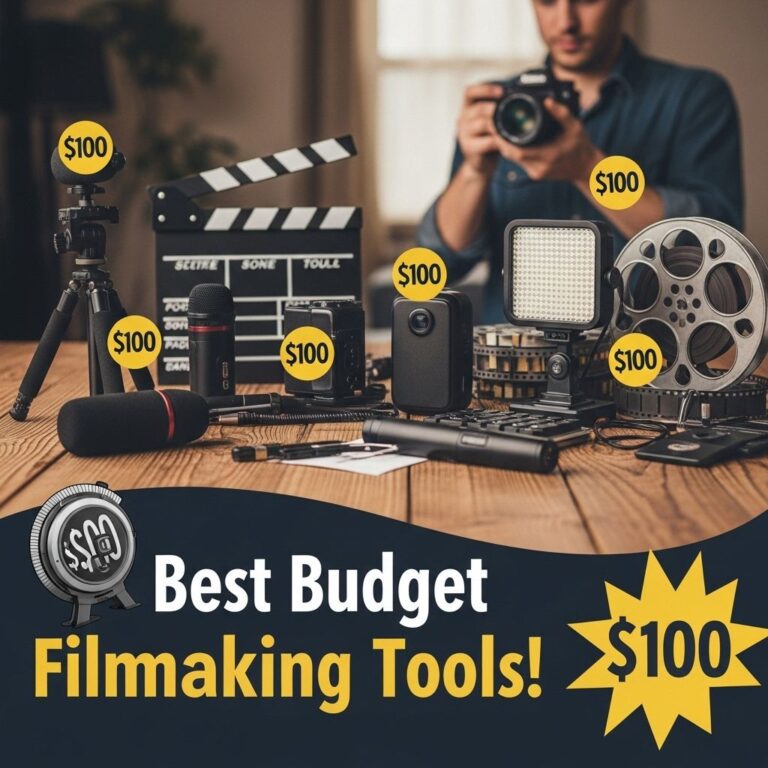
In the world of filmmaking, creating captivating short films can be both an exhilarating and daunting experience, especially for beginners. With so many tools available, it can be overwhelming to determine which are essential for starting your filmmaking journey. This article will discuss must-have tools that cater to the needs of novice filmmakers, ensuring you have the right equipment and software to bring your creative vision to life.
Understanding the Basics of Short Filmmaking
Before diving into the necessary tools, it’s important to grasp the fundamental aspects of short filmmaking. A short film typically ranges from a few seconds to 30 minutes and focuses on delivering a concise story or emotional experience. Key elements include:
- Story: A compelling narrative that captivates the audience.
- Visuals: Engaging cinematography that enhances the story.
- Sound: High-quality audio that supports the narrative.
- Editing: Crafting the final product by organizing shots and adding effects.
Essential Filmmaking Tools
1. Camera
Your choice of camera is critical, as it significantly impacts the quality of your short film. Beginners should consider:
- DSLR or Mirrorless Cameras: These provide excellent image quality and versatility. Popular models include:
| Camera Model | Key Features |
|---|---|
| Canon EOS Rebel T7 | 24.1 MP, Full HD 1080p, Wi-Fi enabled |
| Nikon Z50 | 20.9 MP, 4K video, Compact design |
| Sony Alpha a6400 | 24.2 MP, 4K video, Fast autofocus |
2. Lenses
Having the right lens can dramatically change how your scenes are captured. Consider investing in:
- Prime Lenses: These have a fixed focal length, offering sharp images, such as:
- 50mm f/1.8 (Great for portraits)
- 35mm f/1.8 (Versatile for various shots)
- Zoom Lenses: These provide flexibility with varying focal lengths, suitable for dynamic shooting scenarios.
3. Tripod
A sturdy tripod is essential for achieving stable and professional-looking shots. Look for:
- Adjustable height and flexible positioning
- Lightweight and portable designs for easy transport
4. Microphones
Sound quality can make or break your film. Invest in a good microphone to capture clear audio. Options include:
- Lavalier Microphones: Ideal for interviews and dialogue.
- Shotgun Microphones: Perfect for directional audio capture.
5. Lighting Equipment
Proper lighting is crucial for setting the mood and tone. Beginners can start with:
- Softbox Lights: These provide soft, diffused light and are great for indoor shooting.
- LED Panels: Versatile and often battery-operated, great for on-the-go shooting.
Post-Production Tools
Once filming is complete, the editing process begins. Here are essential post-production tools for beginners:
1. Editing Software
Choosing the right editing software is paramount. Some user-friendly options include:
- Adobe Premiere Pro: Industry-standard software with extensive features.
- Final Cut Pro X: Excellent for macOS users with intuitive editing capabilities.
- DaVinci Resolve: Free version available, great for color correction and editing.
2. Sound Editing Software
Enhancing your film’s audio quality is important. Consider using:
- Audacity: A free, open-source audio editing tool.
- Adobe Audition: Comprehensive tools for audio enhancement.
3. Visual Effects Software
If you want to add some spice to your film, visual effects software can help. Options include:
- Adobe After Effects: Industry-standard for motion graphics and visual effects.
- HitFilm Express: A free option with impressive VFX capabilities.
Tips for Effective Filmmaking
Beyond tools, a successful short film requires thoughtful planning and execution. Here are some tips:
- Write a Strong Script: A well-crafted script is the backbone of your film.
- Create a Storyboard: Visualizing each shot can streamline the filming process.
- Plan Your Shots: Think about angles and compositions before you start shooting.
- Practice Your Shots: Rehearse key scenes to ensure smooth performances and camera work.
Conclusion
Embarking on your short filmmaking journey can be both exciting and intimidating, but with the right tools and knowledge, you’ll be well-prepared to create compelling stories. Remember to focus on learning and experimenting, as each project will enhance your skills and understanding of the filmmaking process. The tools mentioned will equip you to get started, so gather your equipment and unleash your creativity!
FAQ
What are the essential tools for beginner filmmakers?
Essential tools for beginner filmmakers include a camera, tripod, microphone, lighting kit, and video editing software.
Do I need a professional camera to start making short films?
No, you can start with a smartphone camera or a DSLR that you have access to; the key is to focus on storytelling.
What type of microphone is best for short film production?
A shotgun microphone or a lapel microphone is ideal for capturing clear audio in short film production.
How important is lighting in short film making?
Lighting is crucial as it sets the mood and tone of your film; using natural light or affordable LED lights can make a significant difference.
What editing software is recommended for beginners?
Beginner-friendly editing software includes iMovie, Adobe Premiere Rush, and DaVinci Resolve, which offer user-friendly interfaces.
Can I make a short film without a crew?
Yes, many successful short films are made by solo filmmakers; you can take on multiple roles like directing, filming, and editing yourself.