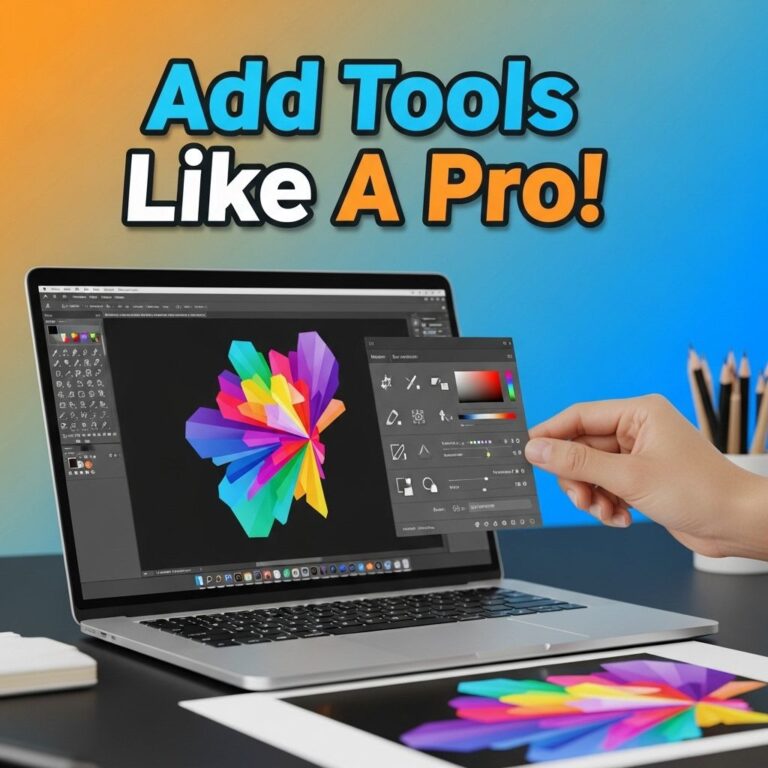
Creating a minimalist logo is an art that combines simplicity and creativity to make a powerful statement. In today’s fast-paced digital world, where attention spans are short and competition is fierce, a well-crafted minimalist logo can help your brand stand out. This article will guide you through the fundamentals of minimalist logo design, techniques, tools, and best practices to develop logos that speak volumes with minimal elements.
Understanding Minimalism in Logo Design
Minimalism is a design technique that emphasizes simplicity, focusing on the essential elements of a design to convey a message effectively. A minimalist logo distills a brand’s identity down to its core essence, often utilizing:
- Simple shapes
- Limited color palettes
- Negative space
- Bold typography
The goal is to create a logo that is memorable, versatile, and timeless. Minimalist logos are not just about stripping away the unnecessary; they are about producing a clean and impactful design that resonates with the audience.
Key Principles of Minimalist Logo Design
1. Simplicity
Keeping your design simple means avoiding any unnecessary elements that may distract from the core message of your brand. A simple logo is easy to recognize and reproduce, making it versatile across various mediums.
2. Relevance
Your logo should reflect your brand’s values and industry. Minimalist logos often use symbolism to convey meaning, so consider how various shapes and colors can represent your brand.
3. Memorability
A great logo should be easy to remember. The simplicity and clarity of a minimalist design help enhance recognition and recall.
4. Timelessness
A minimalist logo should withstand the test of time. Avoid trends that may quickly become outdated. Focus on classic designs that won’t need to be changed frequently.
Steps to Designing a Minimalist Logo
Step 1: Research and Inspiration
Before diving into design, gather inspiration from existing minimalist logos. Analyze why they work and draw inspiration from various sources:
- Design books and magazines
- Online portfolios (e.g., Behance, Dribbble)
- Social media platforms (e.g., Instagram, Pinterest)
Step 2: Define Your Brand Identity
Understanding your brand’s identity is crucial. Answer the following questions:
- What are the core values of your brand?
- Who is your target audience?
- What makes your brand unique?
Step 3: Brainstorm Concepts
Start sketching ideas based on your research and brand identity. Experiment with various elements:
- Shapes: Circles, squares, triangles
- Typography: Serif vs. sans-serif
- Colors: Choose a limited palette
Step 4: Choose the Right Colors
Color plays a crucial role in logo design. When choosing colors, consider the psychology behind different hues:
| Color | Meaning |
|---|---|
| Red | Passion, Energy |
| Blue | Trust, Reliability |
| Green | Growth, Nature |
| Black | Elegance, Sophistication |
| Yellow | Optimism, Happiness |
Step 5: Typography Matters
The typeface you choose should complement your logo’s design. Minimalist logos often utilize:
- Sans-serif fonts for a clean and modern look
- Custom typefaces for uniqueness
Experiment with font weights and letter spacing to achieve the right balance.
Step 6: Create Digital Drafts
Once you have a solid concept, move to digital design. Use tools such as:
- Adobe Illustrator
- Canva
- Sketch
Focus on refining your design and maintaining simplicity while ensuring the logo is scalable for different applications.
Step 7: Gather Feedback
Share your design with trusted colleagues or potential customers to gather feedback. Ask specific questions about clarity, appeal, and recognition.
Step 8: Finalize Your Design
Incorporate the feedback, make the necessary adjustments, and finalize your logo. Ensure it works across various backgrounds and applications, from business cards to social media profiles.
Tools for Designing Minimalist Logos
Several design tools can aid your logo creation process, including:
- Adobe Illustrator: Industry-standard vector graphics editor.
- Canva: User-friendly graphic design tool with templates.
- Inkscape: Free and open-source vector graphics software.
- CorelDRAW: Comprehensive design software with versatile vector tools.
Examples of Successful Minimalist Logos
To further understand minimalist logos, here are some examples that have successfully adhered to minimalist principles:
- Apple: The simple apple silhouette is instantly recognizable.
- Nike: The swoosh represents movement and speed with minimal detail.
- Adidas: The three stripes symbolize performance and simplicity.
Common Mistakes to Avoid
When creating a minimalist logo, steer clear of the following common pitfalls:
- Overcomplicating the design with too many elements.
- Using too many colors or gradients.
- Choosing a font that is hard to read.
- Neglecting scalability – ensure the logo looks good at any size.
Conclusion
Designing a minimalist logo requires a balance of creativity and strategy. By understanding the principles of minimalism, defining your brand identity, and following a structured design process, you can create a logo that resonates with your audience and embodies your brand’s core values. As you practice and refine your skills, remember that simplicity is powerful, and sometimes less truly is more.
FAQ
What are the key principles of minimalist logo design?
The key principles of minimalist logo design include simplicity, clarity, balance, and effective use of negative space.
What tools can I use to create minimalist logos?
You can use design software such as Adobe Illustrator, Canva, or Sketch to create minimalist logos.
How do I choose the right colors for a minimalist logo?
Choose a limited color palette that reflects your brand identity; often, black, white, and one accent color work best.
What are some common mistakes to avoid in minimalist logo design?
Common mistakes include overcomplicating the design, using too many colors, and neglecting scalability.
How can I ensure my minimalist logo is versatile?
Test your logo in various sizes and formats to ensure it remains recognizable and effective across different mediums.
What makes a minimalist logo memorable?
A minimalist logo is memorable when it effectively communicates the brand’s core message with fewer elements, making it easier for audiences to recall.