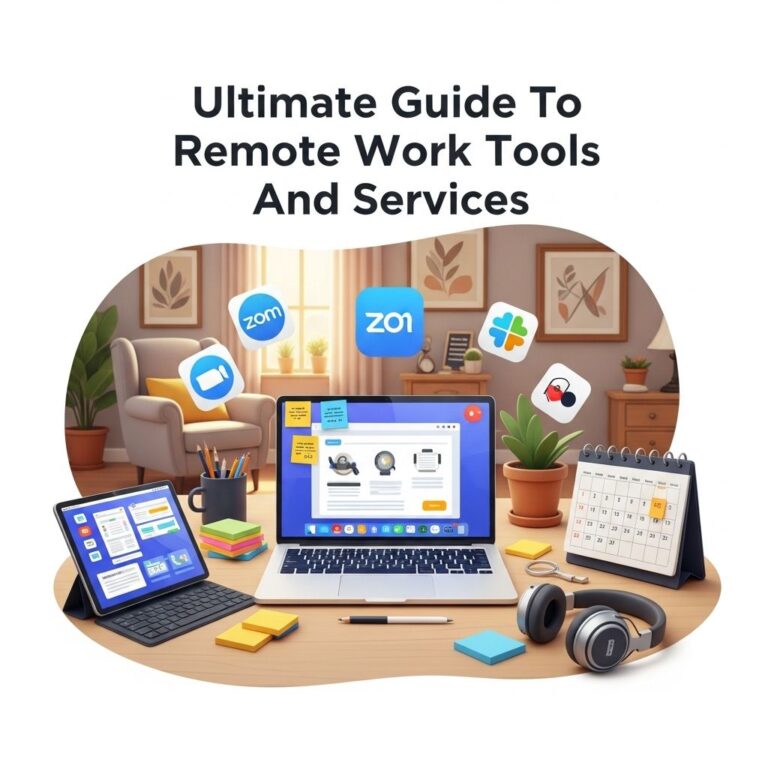
As remote work becomes increasingly prevalent, teams are adopting a plethora of tools and software designed to enhance productivity, communication, and collaboration. With employees working from different locations, the right technology can bridge the gap, ensuring that workflows remain uninterrupted and objectives are met efficiently. In this article, we delve into effective strategies for maximizing remote work tools and software, enabling teams to thrive in a virtual environment.
Understanding Remote Work Tools
Remote work tools can be categorized into various types, each serving specific functions that contribute to a seamless remote working experience. They generally fall into the following categories:
- Communication Tools: Essential for real-time interaction among team members.
- Project Management Software: Helps in tracking tasks, milestones, and project timelines.
- File Sharing and Storage Solutions: Facilitates easy access and collaboration on documents.
- Time Management Tools: Assists in tracking productivity and managing work hours.
- Video Conferencing Platforms: Provides face-to-face interaction, simulating in-person meetings.
Choosing the Right Tools
Selecting the right tools for your remote team involves assessing your specific needs and workflows. Here are some critical considerations:
1. Identify Team Needs
Conduct a thorough survey or meeting to understand what tools will best support your team’s workflow.
2. Evaluate Tool Features
Consider the following features:
- Usability: Is the tool user-friendly?
- Integration: Does it integrate with other tools you use?
- Scalability: Can it grow with your team’s needs?
3. Security Measures
Ensure that the tools comply with necessary security protocols to protect sensitive information.
4. Cost-Effectiveness
Analyze your budget and select tools that provide the best value for their features.
Popular Tools for Remote Teams
Below is a list of widely used tools that cater to different remote work needs:
| Tool | Category | Key Features |
|---|---|---|
| Slack | Communication | Channels, Direct Messaging, File Sharing |
| Trello | Project Management | Kanban Boards, Task Assignments, Automation |
| Google Drive | File Sharing | Real-time Collaboration, Cloud Storage, Document Editing |
| Zoom | Video Conferencing | Screen Sharing, Recording, Breakout Rooms |
| Time Doctor | Time Management | Time Tracking, Productivity Reports |
Implementing Effective Collaboration Strategies
To harness the full potential of remote work tools, it’s vital to implement effective collaboration strategies:
Regular Check-ins
Schedule daily or weekly check-ins to keep the team aligned and address any challenges they may be facing. This fosters a sense of accountability and keeps everyone on track.
Define Clear Expectations
Clearly outline roles, responsibilities, and deadlines. Utilize project management tools to assign tasks and monitor progress, ensuring everyone knows what is expected of them.
Encourage Open Communication
Create an environment where team members feel comfortable sharing ideas and feedback. Use communication tools to facilitate discussions, share updates, and celebrate wins.
Utilize Collaboration Features
Take advantage of collaborative features within your tools, such as:
- Commenting on documents in Google Docs
- Tagging team members for updates in project management tools
- Using @mentions in communication tools to draw attention
Maintaining Work-Life Balance
While remote work offers flexibility, it can blur the lines between personal and professional life. Here are tips for maintaining a healthy balance:
Set Defined Working Hours
Establish a routine with set working hours to minimize the risk of burnout.
Create a Dedicated Workspace
Designate a specific area in your home for work to help you mentally separate work from personal life.
Take Regular Breaks
Incorporate short breaks throughout the day to recharge, clear your mind, and improve productivity.
Measuring Productivity and Performance
In remote work settings, measuring productivity can be challenging. Here are effective methods:
Utilize Analytics Tools
Many project management and time tracking tools offer analytics to help you monitor team performance and productivity trends.
Gather Feedback
Regularly solicit feedback from team members regarding their workload and productivity levels.
Set KPIs
Define Key Performance Indicators (KPIs) for your team to measure success and effectiveness in achieving goals.
Future Trends in Remote Work Tools
The landscape of remote work is continuously evolving. Here are some trends to watch for:
Increased Automation
Automation of repetitive tasks will free up employee time for more strategic work.
AI-Powered Tools
Artificial Intelligence will enhance productivity by providing insights, automating responses, and streamlining workflows.
Enhanced Security Features
As more teams work remotely, the demand for advanced security measures to protect data and privacy will grow.
Conclusion
Maximizing the potential of remote work tools and software is essential for success in today’s digital landscape. By choosing the right tools, implementing effective collaboration strategies, and maintaining a work-life balance, teams can harness the power of technology to enhance their productivity and achieve their goals. As we adapt to the future of work, staying informed about emerging trends will further empower teams to thrive in a remote environment.
FAQ
What are the best remote work tools for team collaboration?
Some of the best remote work tools for team collaboration include Slack, Microsoft Teams, and Zoom, which facilitate communication and file sharing among team members.
How can I improve productivity while working remotely?
To improve productivity while working remotely, establish a dedicated workspace, set clear goals, use time management techniques, and take regular breaks to maintain focus.
What software can help with project management in remote teams?
Software like Trello, Asana, and Monday.com are excellent for project management in remote teams, allowing for task assignments, progress tracking, and deadline management.
How do I ensure effective communication in a remote work environment?
Effective communication in a remote work environment can be ensured by using video calls for meetings, maintaining regular check-ins, and utilizing shared platforms for updates and feedback.
What are the challenges of using remote work tools and how can I overcome them?
Challenges of using remote work tools include technology issues, miscommunication, and feelings of isolation. Overcome these by providing training, establishing clear communication guidelines, and encouraging team bonding activities.