
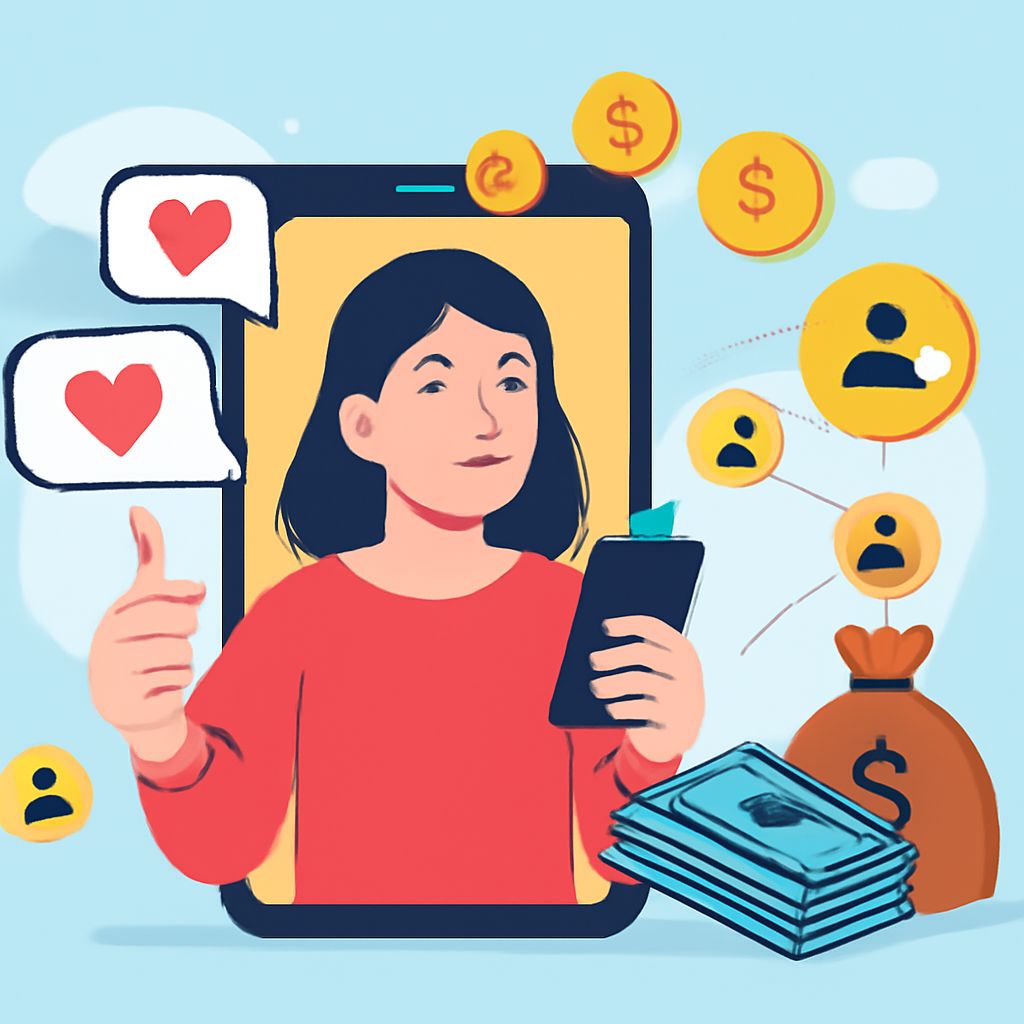

In today’s social media-driven world, influencer marketing has emerged as a powerful strategy for brands looking to enhance their visibility and connect with targeted audiences. With the rise of platforms like Instagram, TikTok, and YouTube, influencers have become key players in the marketing ecosystem. This article delves into the various aspects of influencer marketing services, exploring how businesses can leverage these opportunities to generate revenue and engage effectively with their customers.
Understanding Influencer Marketing
Influencer marketing involves partnering with individuals who have a substantial following on social media platforms. These influencers can sway the opinions and purchasing decisions of their audience, making them an invaluable asset for brands. The relationship between influencers and their followers is often based on trust and authenticity, which can lead to higher conversion rates compared to traditional advertising methods.
The Role of Influencers
Influencers come in various forms and sizes, categorized based on their follower count and engagement levels:
- Nano-influencers: 1,000 – 10,000 followers
- Micro-influencers: 10,000 – 100,000 followers
- Mid-tier influencers: 100,000 – 1 million followers
- Macro-influencers: 1 million – 10 million followers
- Mega-influencers: 10 million+ followers
Each category offers unique advantages, from niche engagement opportunities with nano and micro-influencers to broader reach with macro and mega-influencers.
Monetizing Influencer Marketing Services
Businesses can monetize influencer marketing in several ways:
1. Affiliate Marketing
Brands can collaborate with influencers to promote their products through affiliate links. Influencers earn a commission for each sale generated through their link, creating a win-win situation. Some benefits include:
- Performance-based payment
- Tracking sales through unique links
- Lower risk for brands
2. Sponsored Content
Brands pay influencers to create content that features their products or services. This can include blog posts, videos, or social media posts. Key points to consider:
- Ensure the influencer aligns with the brand’s values.
- Negotiate terms clearly upfront, including content type and posting schedule.
- Analyze engagement metrics post-campaign.
3. Product Collaborations
Brands can partner with influencers to create co-branded products. This strategy allows brands to tap into the influencer’s creativity and audience. Advantages include:
- Increased brand exposure
- Access to influencer’s loyal customer base
- Unique product offerings that stand out in the market
4. Influencer Marketing Platforms
Various platforms facilitate influencer marketing, allowing brands to find, manage, and measure their partnerships. These platforms often provide analytics, making it easier for businesses to assess campaign performance. Popular platforms include:
| Platform | Description |
|---|---|
| Upfluence | Offers a comprehensive influencer database and management tools. |
| AspireIQ | Focuses on building long-term relationships between brands and influencers. |
| Influencity | Provides in-depth analytics and reporting features. |
Best Practices for Influencer Marketing
To maximize the effectiveness of influencer marketing campaigns, brands should adhere to several best practices:
1. Define Clear Objectives
Before embarking on an influencer marketing campaign, it’s crucial to establish clear goals, such as increasing brand awareness, generating leads, or driving sales.
2. Choose the Right Influencers
Brands should select influencers whose audience aligns with their target demographic. Evaluating engagement rates and content style is essential to ensure a good fit.
3. Create Authentic Content
Influencers should be encouraged to produce content that resonates with their audience. Authenticity fosters trust and can lead to higher engagement and conversion rates.
4. Monitor and Measure Results
After the campaign concludes, brands should analyze the results to determine what worked and what didn’t. Key metrics to track include:
- Engagement rates
- Website traffic
- Conversion rates
Challenges in Influencer Marketing
While influencer marketing offers numerous advantages, brands may encounter specific challenges:
1. Finding Genuine Influencers
Brands must ensure that influencers are genuine and have an engaged audience. Fake followers or bots can significantly undermine campaign effectiveness.
2. Measuring ROI
Attributing sales directly to influencer campaigns can be complex. Developing tracking systems or using promo codes can help provide clarity.
3. Maintaining Brand Consistency
It’s essential that influencers represent the brand accurately. Guidelines should be put in place to maintain brand voice and messaging.
The Future of Influencer Marketing
The influencer marketing landscape is continually evolving. Here are some trends to watch for:
- Increased Focus on Authenticity: Audiences are gravitating toward genuine content, making authenticity more crucial than ever.
- Growth of Video Content: Short-form videos on platforms like TikTok and Instagram Reels are becoming popular, with brands leveraging this format to reach younger audiences.
- Diversity and Inclusivity: Brands are increasingly partnering with a diverse range of influencers to reflect their audience’s demographics.
Conclusion
Influencer marketing presents a lucrative opportunity for businesses to connect with their audience and improve their bottom line. By understanding the nuances of influencer partnerships, defining clear objectives, and adhering to best practices, brands can leverage the power of influencers to drive significant results. As the market continues to evolve, staying ahead of the trends will be crucial for any brand looking to succeed in this dynamic landscape.
FAQ
What are influencer marketing services?
Influencer marketing services involve collaborating with social media influencers to promote products or services, leveraging their audience for brand visibility and sales.
How can I make money through influencer marketing?
You can make money through influencer marketing by partnering with brands, promoting their products, and earning commissions or a flat fee for your promotional efforts.
What types of influencers can I work with?
You can work with various types of influencers, including micro-influencers, macro-influencers, and celebrity influencers, depending on your budget and target audience.
What platforms are best for influencer marketing?
The best platforms for influencer marketing include Instagram, YouTube, TikTok, and Facebook, as these platforms have large user bases and engagement rates.
How do I choose the right influencer for my brand?
To choose the right influencer for your brand, consider their audience demographics, engagement rates, content style, and alignment with your brand values.
What are the benefits of using influencer marketing services?
The benefits include increased brand awareness, improved customer trust, higher engagement rates, and the potential for increased sales through targeted marketing efforts.


