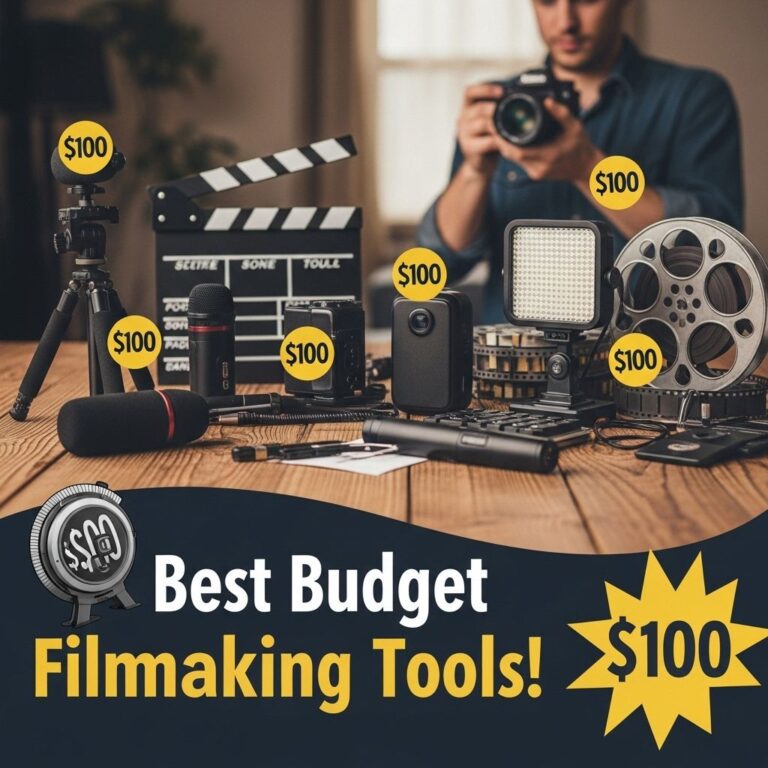
In the dynamic world of short filmmaking, having the right tools can make all the difference between a mediocre production and a captivating cinematic experience. Whether you’re a seasoned filmmaker or just embarking on your creative journey, equipping yourself with essential tools is crucial. This article explores ten must-have tools for short filmmaking that will elevate your projects and streamline your workflow.
1. Camera
Your camera is the heart of your filmmaking equipment. Investing in a good quality camera can significantly enhance the visual aesthetics of your short film. Here are some recommended options:
- DSLR Cameras: Great for versatility and image quality (e.g., Canon EOS 90D, Nikon D850).
- Mirrorless Cameras: Compact and lightweight with superior autofocus (e.g., Sony A7 III, Panasonic GH5).
- Smartphones: Modern smartphones have excellent cameras that are perfect for low-budget projects.
2. Tripod
A sturdy tripod is essential for stable shots. It allows you to create smooth pans and tilts, ensuring that your footage remains professional. Consider the following types:
- Fluid Head Tripod: Ideal for video, providing smooth movement.
- Portable Tripod: Lightweight and easy to carry for outdoor shoots.
- GorillaPod: A flexible, compact option for unique angles and surfaces.
3. Microphone
Good audio quality is just as important as visual quality. A quality microphone can capture clear sound and improve the overall production value. Here are some options:
- Shotgun Microphone: Directional and perfect for on-location interviews.
- Lavalier Microphone: Clip-on mics for capturing dialogue unobtrusively.
- Handheld Microphone: Great for documentaries and on-the-spot interviews.
4. Lighting Equipment
Proper lighting can dramatically transform your film’s mood and atmosphere. Here are essential lighting tools:
- LED Panels: Adjustable brightness and color temperature make them versatile.
- Softboxes: They diffuse light, creating a soft, even illumination.
- Reflectors: Useful for bouncing light to fill shadows.
5. Editing Software
Your editing software is where the magic happens. The right software provides robust tools for storytelling through editing. Consider these:
- Adobe Premiere Pro: A professional-grade software used widely in the film industry.
- Final Cut Pro: An intuitive interface favored by many Mac users.
- DaVinci Resolve: Known for its advanced color correction capabilities.
6. External Hard Drives
Filmmaking generates a vast amount of data, and reliable storage is essential. External hard drives ensure your footage is safely backed up. Here are tips for choosing one:
- Look for at least 1TB of storage.
- Consider SSDs for speed, especially during editing.
- USB-C connectivity for faster transfer rates.
7. Gimbal Stabilizer
For dynamic camera movements and action sequences, a gimbal stabilizer helps achieve smooth footage. Options include:
- Handheld Gimbals: For DSLR and mirrorless cameras.
- Smartphone Gimbals: For shooting with mobile devices.
8. Storyboarding Software
A solid storyboard helps visualize your short film before shooting begins. These tools can help:
- Storyboarder: Free, open-source software that’s user-friendly.
- Celtx: A comprehensive pre-production tool for scriptwriting and storyboarding.
9. Color Grading Tools
Color grading enhances the visual impact of your film. Using color grading tools can help you achieve the desired look. Here’s what to consider:
- Color Grading Software: Use DaVinci Resolve or Adobe SpeedGrade.
- LUTs (Look-Up Tables): Predefined color profiles to speed up the grading process.
10. Production Management Software
Keeping your production organized is vital for a smooth workflow. Consider using software for project management:
- Final Draft: For scriptwriting and collaboration with the team.
- Trello: A versatile tool for task management.
- Shotgun: Tailored for film and video production management.
Conclusion
Equipping yourself with the right tools can significantly improve the quality of your short films. By investing in these essential filmmaking tools, you can enhance your storytelling, streamline your production process, and ultimately, create compelling visual narratives that resonate with your audience. Remember, the most important aspect of filmmaking is your creativity and vision, but having the right tools can complement your artistic endeavors and bring your ideas to life.
FAQ
What are the essential tools for short film making?
The essential tools for short film making include a camera, tripod, lighting equipment, microphones, editing software, and a storyboard.
How important is a good camera for short films?
A good camera is crucial for capturing high-quality visuals, which can significantly enhance the overall production value of your short film.
Do I need professional lighting for my short film?
While professional lighting can improve the look of your film, you can also use natural light and affordable LED lights to achieve great results.
What type of microphone should I use for short films?
Using a shotgun microphone or lavalier mic is recommended for capturing clear audio in short films.
Is editing software necessary for short film production?
Yes, editing software is essential for post-production, allowing you to cut and arrange your footage, add effects, and finalize your film.
Can I make a short film with minimal tools?
Absolutely! Many successful short films have been made with minimal tools, focusing on storytelling and creativity rather than expensive equipment.