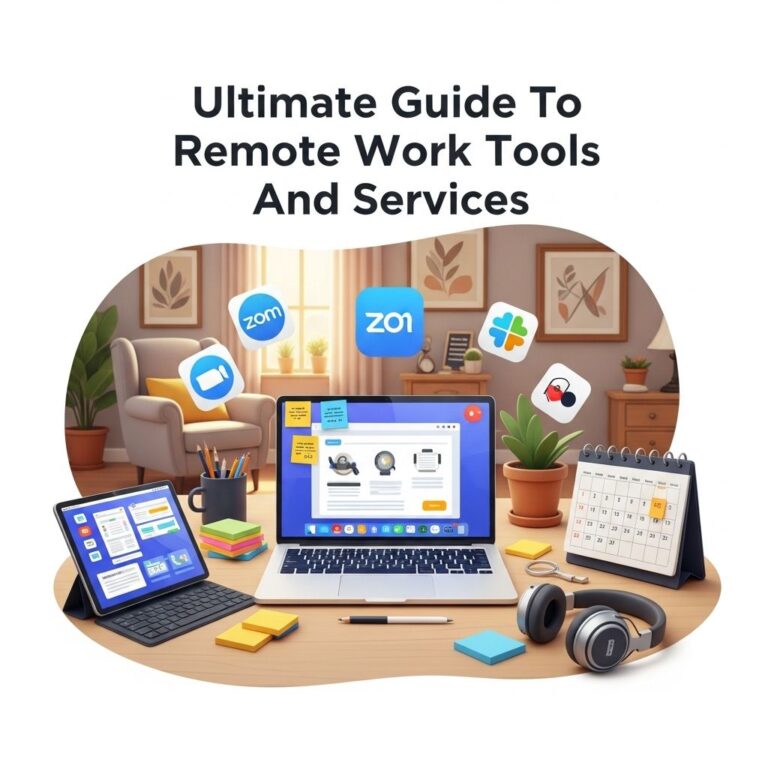
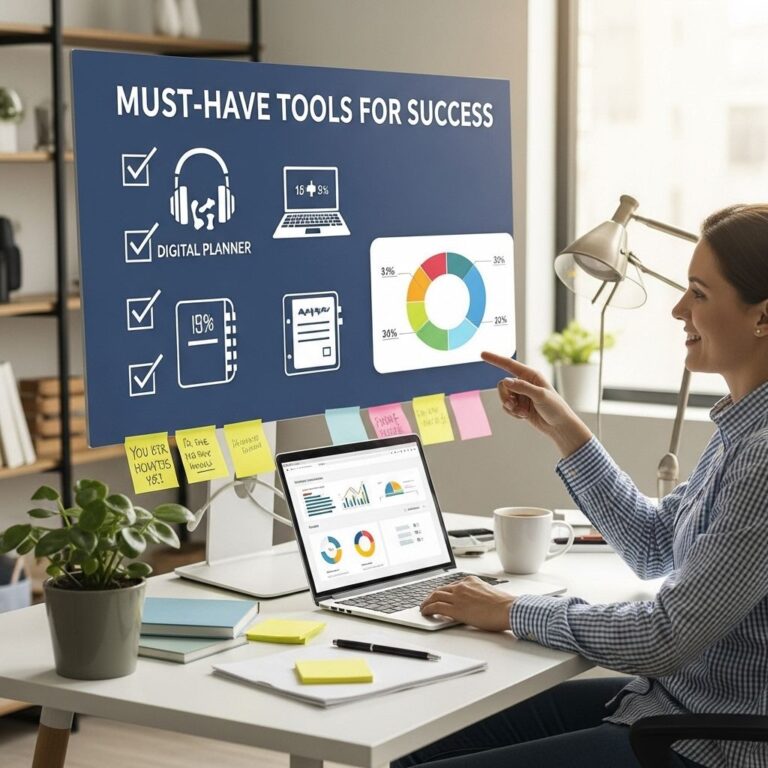
In the age of digital transformation, remote work has become a staple for countless professionals and organizations worldwide. With the right tools, remote work can be as productive and collaborative as being in the office. Here, we explore five essential remote work tools that can enhance your productivity, streamline communication, and foster collaboration among teams.
1. Communication Platforms
Effective communication is the cornerstone of successful remote work. With teams dispersed across various locations, having a reliable communication platform is crucial. Some top options include:
- Slack: A widely used messaging app that allows for instant messaging, file sharing, and integration with other tools.
- Microsoft Teams: Offers chat, video calls, and file collaboration, making it ideal for teams that already use Microsoft 365.
- Zoom: Renowned for its video conferencing capabilities, it’s perfect for virtual meetings and webinars.
Key Features to Look For:
- Instant messaging and group chat capabilities
- File sharing and collaboration tools
- Video conferencing and screen sharing
2. Project Management Tools
Keeping track of projects and tasks can be challenging in a remote work environment. Project management tools help teams stay organized and ensure accountability. Consider these tools:
- Trello: Uses boards and cards to help teams visualize their workflow and manage tasks.
- Asana: Offers advanced features for task tracking, project timelines, and team collaboration.
- Jira: Ideal for software development teams, allowing for agile project management.
Benefits of Using Project Management Tools:
| Benefit | Description |
|---|---|
| Improved Collaboration | Facilitates communication among team members, ensuring everyone is on the same page. |
| Enhanced Organization | Helps in categorizing tasks and setting priorities, leading to more efficient workflows. |
| Time Management | Allows for tracking deadlines and workloads, ensuring timely project completion. |
3. Time Tracking Software
When working remotely, it’s essential to manage time effectively. Time tracking software can help individuals and teams understand how their time is being spent. Here are some effective tools:
- Harvest: A powerful time tracking and invoicing tool that integrates with various project management platforms.
- Toggl: Known for its ease of use, Toggl provides insights into time allocation for different tasks.
- Clockify: A free time tracker that allows for unlimited projects and users, great for teams on a budget.
Why Time Tracking is Important:
- Identifies productivity patterns
- Helps in estimating project costs
- Improves accountability among team members
4. Cloud Storage Solutions
Securely storing and sharing files is vital for remote teams. Cloud storage solutions provide a central repository for documents, making collaboration seamless. Consider these popular options:
- Google Drive: Offers ample free storage and integrates seamlessly with other Google Workspace tools.
- Dropbox: Well-known for its user-friendly interface and robust file-sharing capabilities.
- OneDrive: Perfect for teams using Microsoft products, it offers excellent integration with Windows and Office apps.
Essential Features of Cloud Storage:
- Robust security measures
- Easy file sharing capabilities
- Collaboration features for real-time editing
5. Virtual Collaboration Tools
Collaboration goes beyond communication and project management. Virtual collaboration tools enable teams to brainstorm, share ideas, and create together. Some noteworthy tools include:
- Miro: An online whiteboard platform that facilitates brainstorming sessions and workshops.
- Figma: A collaborative interface design tool that allows multiple users to work on design projects simultaneously.
- Notion: A versatile workspace that combines notes, tasks, and databases, ideal for team collaboration.
Benefits of Virtual Collaboration Tools:
- Encourages creativity and innovation
- Enhances engagement during meetings
- Provides a visual way to capture ideas
Conclusion
The shift to remote work is not just a temporary trend; it’s a fundamental change in how we approach our jobs. By leveraging the right tools, remote workers can enhance their productivity, stay connected, and collaborate effectively with their teams. Investing time in selecting the right software and tools will pay off in the long run, leading to a more efficient, cohesive, and successful remote working environment. Embrace the digital tools available, and transform your remote work experience today.
FAQ
What are the essential remote work tools for effective collaboration?
The essential remote work tools include project management software like Trello or Asana, communication platforms like Slack or Microsoft Teams, file sharing services like Google Drive or Dropbox, and video conferencing tools such as Zoom or Microsoft Teams.
How can I enhance team communication while working remotely?
Enhancing team communication while working remotely can be achieved by using dedicated communication tools like Slack for instant messaging, conducting regular video meetings via Zoom, and utilizing collaboration tools like Confluence to share updates and documents.
What software can help with time management in a remote work setup?
Time management software such as Toggl, Clockify, or RescueTime can help track time spent on tasks, optimize productivity, and balance workload in a remote work environment.
Are there tools specifically designed for remote project management?
Yes, tools like Monday.com, Basecamp, and Jira are specifically designed for remote project management, allowing teams to plan, track, and collaborate on projects efficiently.
What security measures should I consider when using remote work tools?
When using remote work tools, it’s important to implement security measures such as using VPNs, enabling two-factor authentication, regularly updating software, and ensuring sensitive data is encrypted.
How can I maintain productivity while working from home?
To maintain productivity while working from home, establish a dedicated workspace, set clear boundaries between work and personal time, use productivity tools like Todoist for task management, and take regular breaks to recharge.