
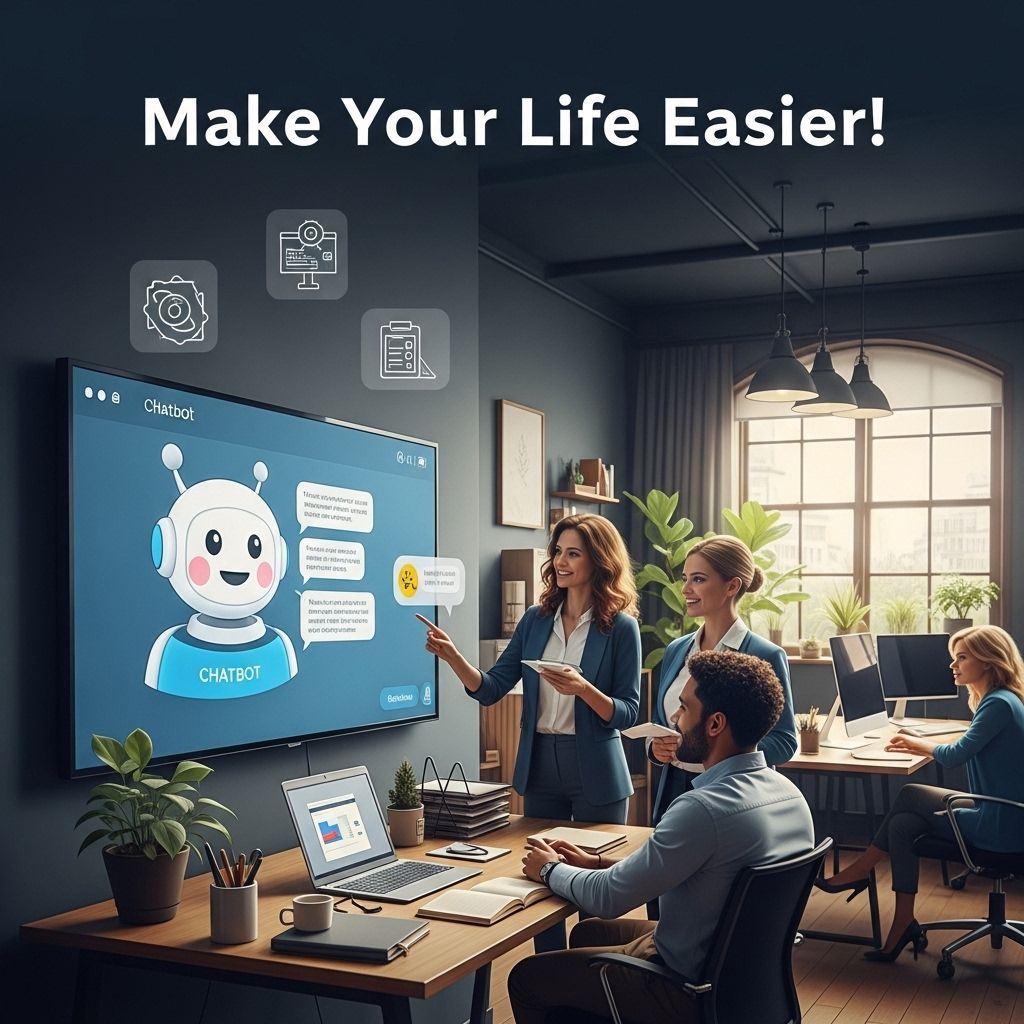

In the rapidly evolving landscape of business technology, the integration of chatbots has emerged as a transformative solution for organizations looking to streamline their operations and enhance customer engagement. Gone are the days when businesses relied solely on human intervention for customer service and information dissemination. Today, chatbots offer a versatile range of functionalities that can simplify various aspects of business management, empowering companies to focus on their core objectives.
The Rise of Chatbots in Business
Chatbots have seen significant growth in their application across various industries. As artificial intelligence (AI) technology has advanced, so too has the sophistication of chatbots. They can now engage with clients, manage routine inquiries, and even conduct transactions, all while providing a seamless customer experience.
Key Benefits of Chatbots
- 24/7 Availability: Chatbots can operate around the clock, providing immediate support to customers regardless of time zones.
- Cost Efficiency: By automating routine tasks, businesses can reduce operational costs associated with customer service.
- Improved Customer Engagement: With instant responses, chatbots enhance user interactions, leading to higher satisfaction rates.
- Data Collection and Analysis: Chatbots can gather valuable data from customer interactions, informing business strategies and marketing approaches.
Types of Chatbots
Chatbots can be broadly categorized based on their functionality and deployment methods. Understanding these types can help businesses determine the best option for their needs.
1. Rule-Based Chatbots
Rule-based chatbots follow a predefined set of rules and scripts. They are typically limited to specific queries and responses. While they can handle simple interactions effectively, they may struggle with complex inquiries.
2. AI-Powered Chatbots
Conversely, AI-powered chatbots leverage machine learning algorithms and natural language processing (NLP) to understand and respond to a wide array of questions. They learn from interactions and improve over time, creating a more engaging user experience.
Implementing a Chatbot in Your Business
To effectively incorporate a chatbot into your organization, consider the following steps:
- Define Your Goals: Determine what you want to achieve with a chatbot. This could range from improving customer support to automating internal processes.
- Choose the Right Platform: There are various platforms available that offer chatbot creation tools. Consider factors such as ease of use, integration capabilities, and cost.
- Design the Conversation Flow: Map out potential customer interactions to create a logical conversation flow. This will help in developing responses that are relevant and useful.
- Test and Refine: Before launching, conduct thorough testing to identify any issues. Gather feedback from users and continuously refine the chatbot’s responses.
- Monitor Performance: After implementation, regularly analyze the chatbot’s performance metrics to ensure its effectiveness and identify areas for improvement.
Use Cases for Chatbots in Business
Businesses across different sectors have successfully adopted chatbots for numerous applications. Here are a few prominent use cases:
| Industry | Use Case | Benefits |
|---|---|---|
| Retail | Product recommendations | Enhanced shopping experience, increased sales |
| Banking | Account inquiries | Reduced wait times, instant support |
| Healthcare | Appointment scheduling | Efficiency in bookings, reduced administrative burden |
| Travel | Booking assistance | Streamlined reservations, personalized travel experiences |
Challenges in Chatbot Implementation
While the benefits of chatbots are substantial, organizations may face several challenges during implementation:
1. Understanding User Intent
Accurately interpreting user queries can be difficult, especially with ambiguous language. Continuous training and refinement of AI chatbots are essential to mitigate this issue.
2. Integration with Existing Systems
Integrating a chatbot with existing customer relationship management (CRM) and other software systems can be complex. Proper planning and technical expertise are required for seamless integration.
3. User Acceptance
Some users may prefer human interaction over chatbots. Businesses need to ensure that users are aware of the chatbot’s capabilities and when to escalate issues to a human representative.
The Future of Chatbots
As technology advances, the future of chatbots looks promising. Innovations such as voice recognition, sentiment analysis, and enhanced personalization will further increase their effectiveness in business applications. Organizations that adapt to these changes and leverage chatbots will likely gain a significant competitive advantage.
Conclusion
In conclusion, chatbots are not merely a trend but a valuable asset for businesses aiming to enhance efficiency and customer satisfaction. By understanding the different types of chatbots, implementing them thoughtfully, and addressing potential challenges, organizations can harness their full potential. As we continue to embrace digital transformation, the role of chatbots will undoubtedly expand, reshaping how businesses interact with their customers and manage their operations.
FAQ
What is a chatbot and how can it benefit my business?
A chatbot is an AI-powered tool that can automate communication with customers, providing instant responses to inquiries, enhancing customer service, and saving time for your team.
How can a chatbot improve customer engagement?
Chatbots can engage customers 24/7, providing immediate assistance and personalized interactions, which can lead to higher satisfaction and retention rates.
Can a chatbot handle multiple customer queries at once?
Yes, chatbots can manage multiple conversations simultaneously, allowing businesses to serve a larger customer base without increasing staff.
What types of businesses can benefit from using a chatbot?
Chatbots are beneficial for various industries, including retail, hospitality, healthcare, and finance, as they can streamline operations and enhance customer experience.
How easy is it to integrate a chatbot into my existing systems?
Most chatbot solutions offer easy integration with popular platforms and tools, enabling seamless communication between your chatbot and existing customer management systems.
What are the costs associated with implementing a chatbot for my business?
Costs can vary widely based on complexity and functionality, but many affordable options exist that can provide considerable ROI through improved efficiency and customer satisfaction.


