
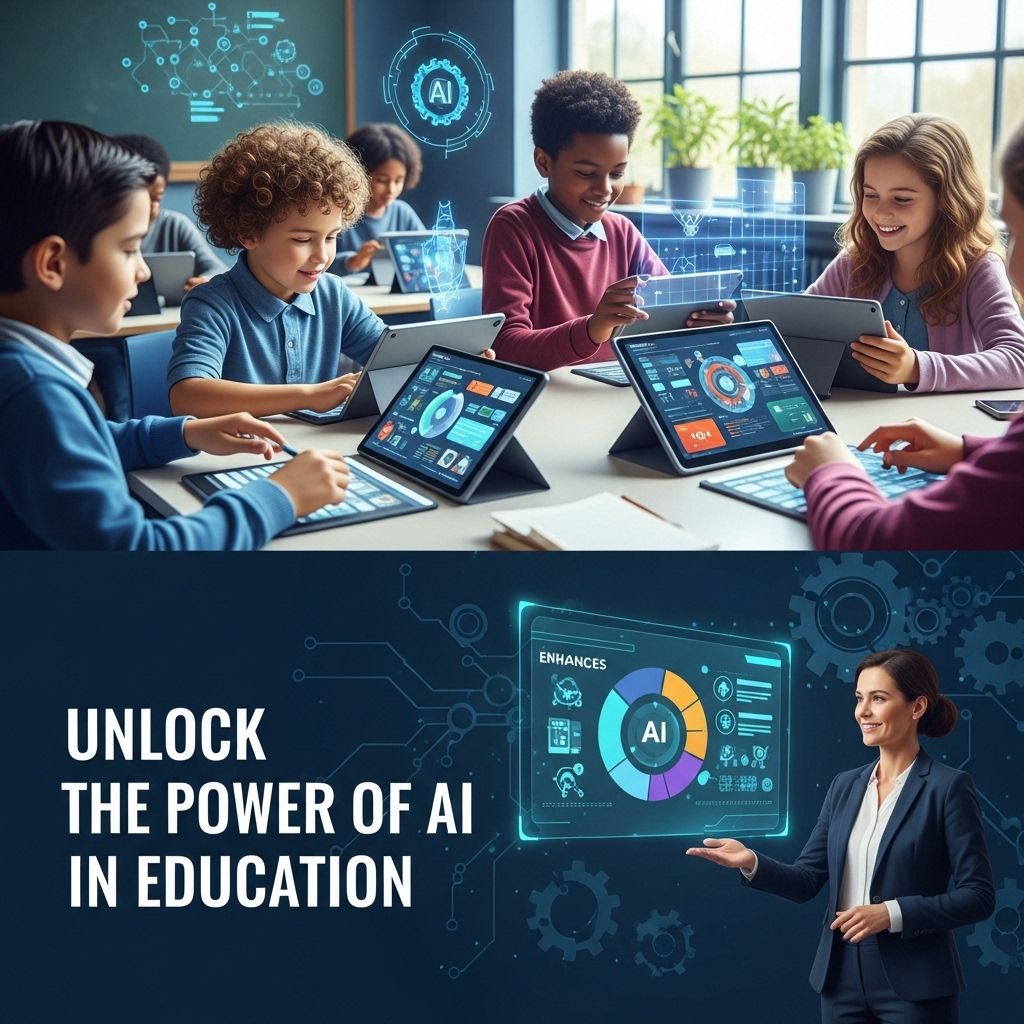

As technology continues to advance at an unprecedented rate, educational institutions are increasingly turning to artificial intelligence (AI) to enhance the learning experience. AI-powered tools are revolutionizing how students learn, teachers instruct, and administrators manage educational systems. This article explores the various advantages of AI in education, its applications, and the challenges it poses.
The Role of AI in Modern Education
AI technologies are transforming educational practices by providing innovative solutions to both students and educators. The integration of AI into learning environments facilitates personalized learning, administrative efficiency, and data-driven insights.
Personalized Learning
One of the most significant contributions of AI in education is the ability to tailor learning experiences to individual needs:
- Adaptive Learning Technologies: AI algorithms analyze students’ performance and adapt content accordingly, ensuring that each student receives the right level of challenge.
- Intelligent Tutoring Systems: These systems provide additional support outside of classroom hours, offering exercises and feedback based on the learner’s progress.
- Data-Driven Insights: Educators can leverage AI to gain insights into student engagement, allowing for more informed decisions regarding teaching strategies.
Enhanced Administrative Efficiency
AI tools can streamline administrative tasks, freeing up educators to focus on teaching:
- Automated Grading: AI can assist in grading assignments and assessments, particularly in subjects like mathematics and science where answers can be objectively evaluated.
- Enrollment Management: AI systems can predict enrollment trends, helping institutions optimize their resources and staffing.
- Scheduling Tools: AI can help create optimal class schedules that consider student preferences and instructor availability.
Applications of AI in the Classroom
AI can be integrated into various classroom activities to enhance learning outcomes. Here are some prominent applications:
AI-Powered Educational Platforms
Several platforms utilize AI to enhance learning experiences:
| Platform | Features | Target Audience |
|---|---|---|
| Khan Academy | Adaptive exercises, progress tracking | Students of all ages |
| Duolingo | Gamified language learning, personalized lessons | Language learners |
| Coursera | Customized learning paths, peer feedback | Higher education learners |
Virtual Classrooms and AI Assistants
AI can create immersive learning experiences through virtual classrooms:
- Virtual Reality (VR): AI-driven VR can simulate real-life scenarios, providing students with hands-on experience in subjects like medicine, engineering, and the arts.
- AI Teaching Assistants: Chatbots and AI assistants can answer students’ queries in real-time, providing instant support and enhancing engagement.
Challenges and Considerations
While the potential of AI in education is vast, several challenges must be addressed:
Equity and Access
Not all students have equal access to AI-powered tools, leading to potential disparities in learning opportunities:
- Digital Divide: Students from lower socioeconomic backgrounds may lack access to the necessary technology.
- Affordability: Institutions must consider the cost of implementing AI solutions.
Data Privacy and Security
With the use of AI comes the responsibility of protecting student data:
- Compliance: Educational institutions must comply with laws like FERPA and GDPR to ensure data protection.
- Transparency: Schools need to be transparent about data usage and AI algorithms to build trust with students and parents.
Future Trends in AI and Education
The future of AI in education is promising, with several trends likely to emerge:
Integration of AI with Other Technologies
AI will increasingly be combined with other technologies to enhance learning:
- Augmented Reality (AR): Combining AR with AI can create interactive learning experiences.
- Blockchain: AI may help manage educational credentials and ensure the authenticity of qualifications.
Focus on Lifelong Learning
As the job market evolves, AI will support continuous skill development:
- Upskilling and Reskilling: AI tools can help professionals identify skills gaps and provide tailored training recommendations.
- Microlearning: AI will facilitate bite-sized learning experiences that fit into busy schedules.
Conclusion
The integration of AI into education is transforming the learning landscape. With personalized learning experiences, enhanced administrative processes, and innovative applications, AI-powered tools have the potential to significantly improve educational outcomes. However, it is essential to address the associated challenges of equity, data privacy, and security to ensure that all students benefit from these advancements. As we look to the future, the continued collaboration between educators, technologists, and policymakers will be crucial in unlocking the full potential of AI in education.
FAQ
What are AI-powered tools in education?
AI-powered tools in education refer to software and applications that utilize artificial intelligence to enhance learning experiences, personalize education, automate administrative tasks, and provide data-driven insights.
How can AI improve student learning outcomes?
AI can improve student learning outcomes by providing personalized learning experiences, identifying individual strengths and weaknesses, and offering tailored resources and feedback for each student.
What are some examples of AI tools used in education?
Examples of AI tools in education include intelligent tutoring systems, AI-based grading systems, virtual learning assistants, and platforms that use machine learning to recommend learning materials.
Can AI tools help teachers in their daily tasks?
Yes, AI tools can assist teachers by automating administrative tasks such as grading, attendance tracking, and providing analytics to better understand student performance, allowing them to focus more on teaching.
Are AI-powered educational tools accessible to all students?
Many AI-powered educational tools are designed to be accessible to a wide range of students, including those with disabilities, by offering features like speech recognition, text-to-speech, and personalized learning paths.
What are the ethical considerations of using AI in education?
Ethical considerations of using AI in education include data privacy, the potential for bias in algorithms, and the need to ensure that AI enhances rather than replaces human interaction in the learning process.


