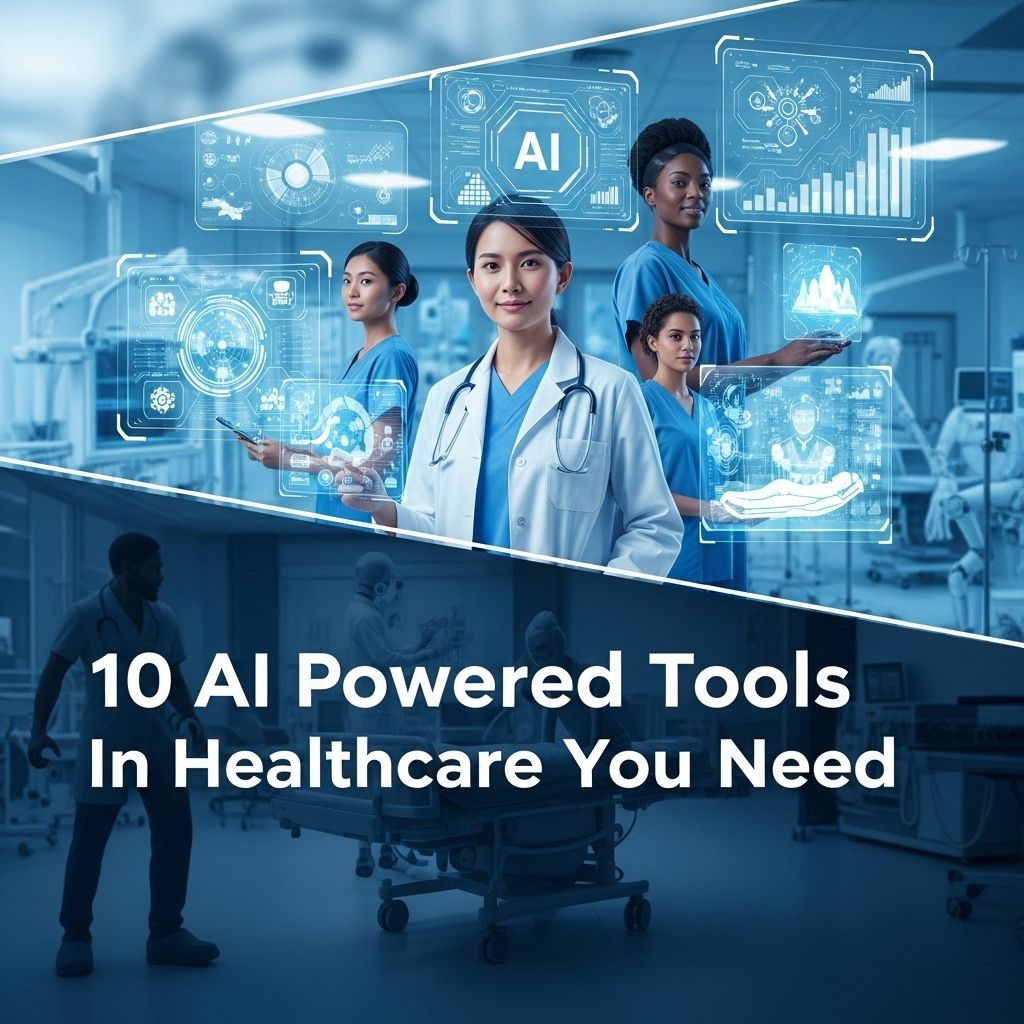

The integration of artificial intelligence (AI) into healthcare has revolutionized the industry, offering unprecedented efficiencies, accuracy, and personalized care. As the technology matures, numerous AI-powered tools have emerged, each designed to tackle specific challenges within the healthcare ecosystem. This article explores ten essential AI tools that are transforming patient care, enhancing diagnostic capabilities, and streamlining administrative processes.
1. IBM Watson Health
IBM Watson Health utilizes advanced AI and machine learning to analyze vast amounts of healthcare data, assisting healthcare professionals in making informed decisions. The platform is widely recognized for its ability to:
- Process unstructured data from various sources.
- Provide evidence-based treatment recommendations.
- Identify potential clinical trial opportunities for patients.
Key Features:
- Natural language processing for understanding clinical notes.
- Data integration from electronic health records (EHRs).
- Personalized treatment options based on genetic data.
2. Google Health
Google Health leverages AI to facilitate disease detection and improve health outcomes. With its cutting-edge algorithms, it has proven especially effective in:
- Detecting diabetic retinopathy using retinal scans.
- Identifying lung cancer in imaging data.
- Forecasting patient health outcomes based on historical data.
Impact on Diagnostics:
Google Health’s AI systems have demonstrated accuracy levels comparable to expert radiologists in specific tasks, thereby enhancing diagnostic precision.
3. Aidoc
Aidoc specializes in radiology, using AI to analyze medical images and prioritize urgent cases for radiologists. Its tools help in:
- Identifying critical findings in CT scans.
- Reducing turnaround times for diagnoses.
- Allowing faster treatment decisions by alerting clinicians to emergencies.
Benefits:
- Increased accuracy and speed in image interpretation.
- Better resource allocation in radiology departments.
- Enhanced patient care through timely interventions.
4. Zebra Medical Vision
Zebra Medical Vision provides AI algorithms that analyze medical imaging data. Their platform is designed to:
- Detect a wide range of conditions, from cardiovascular diseases to cancers.
- Provide comprehensive analytics for entire imaging departments.
- Integrate seamlessly with existing radiology workflows.
Technology at Work:
The platform employs deep learning techniques that continuously improve its detection capabilities, learning from new data entered into the system.
5. Tempus
Tempus focuses on precision medicine, utilizing data analytics and AI to enable personalized cancer treatment approaches. Its key contributions include:
- Analyzing clinical and molecular data.
- Providing insights into the best treatment protocols based on genetic information.
- Facilitating communication between oncologists and researchers.
Transforming Oncology:
Tempus has significantly advanced the way oncologists approach treatment planning, allowing for more tailored therapies.
6. Buoy Health
Buoy Health offers AI-powered symptom checkers to help patients understand their health concerns. This tool features:
- Natural language processing for user-friendly interactions.
- Personalized recommendations for next steps based on symptoms.
- A seamless connection to telehealth services for immediate care.
User Experience:
The platform is designed to simplify the process of seeking medical advice, making healthcare more accessible.
7. PathAI
PathAI employs AI to improve the accuracy of pathology diagnoses. The tool provides:
- Automation of image analysis in pathology.
- Assistance in identifying cancerous tissues.
- Support for pathologists in diagnosing complex cases.
Enhancing Pathology:
PathAI greatly reduces the risk of human error and enhances diagnostic accuracy, ultimately improving patient outcomes.
8. Luminare
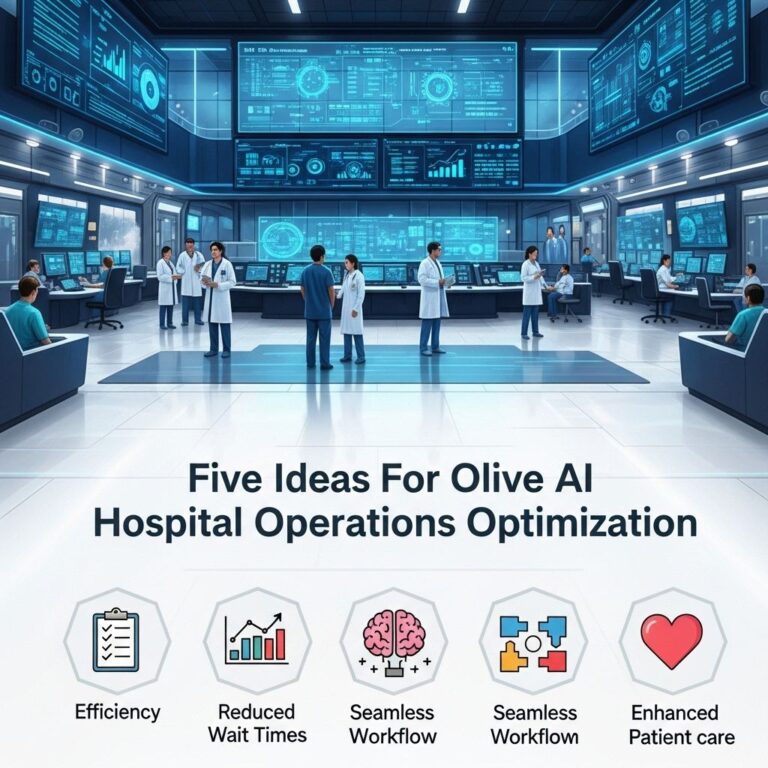
Luminare is designed to optimize hospital operations using AI-powered insights. This tool helps in:
- Predicting patient admissions and discharges.
- Streamlining bed management.
- Improving overall hospital efficiency.
Operational Benefits:
By forecasting patient flow, hospitals can better manage their resources, leading to improved operational efficiency and reduced wait times.
9. Welltok
Weltok uses AI to personalize health management for individuals. The platform provides:
- Custom health plans based on user data.
- Wellness programs that adapt to users’ unique needs.
- Incentives for healthy behaviors and lifestyle choices.
Empowering Patients:
Welltok’s approach encourages proactive engagement in health management, promoting healthier lifestyles.
10. Babylon Health
Babylon Health delivers AI-driven telehealth services, providing virtual consultations and health assessments. Key features include:
- Symptom checker powered by AI.
- Access to healthcare professionals through video calls.
- Integration with health records for personalized care.
Changing the Landscape of Healthcare:
Babylon Health’s platform allows patients to receive timely medical advice from the comfort of their homes, improving access to healthcare services worldwide.
Conclusion
The emergence of AI-powered tools in healthcare represents a significant leap forward in how we approach patient care, diagnostics, and operational efficiency. By harnessing the power of AI, healthcare professionals can provide more accurate diagnoses, personalized treatment plans, and streamlined operations, ultimately leading to better patient outcomes. As these technologies continue to evolve, their role in healthcare will only become more critical, shaping the future of the industry for years to come.
FAQ
What are AI-powered tools in healthcare?
AI-powered tools in healthcare refer to technologies that utilize artificial intelligence to improve patient care, streamline operations, and enhance decision-making processes in medical settings.
How can AI improve patient diagnosis?
AI can analyze vast amounts of medical data, including symptoms, lab results, and medical history, to assist healthcare professionals in diagnosing conditions more accurately and quickly.
What are some examples of AI tools used in healthcare?
Examples include IBM Watson Health for data analysis, Google DeepMind for eye disease detection, and Zebra Medical Vision for radiology image interpretation.
Can AI tools help in drug discovery?
Yes, AI tools can accelerate drug discovery by predicting molecule interactions, analyzing clinical trial data, and identifying potential new therapies more efficiently.
Are AI-powered healthcare tools safe for patient use?
When properly validated and regulated, AI-powered healthcare tools can be safe and effective, but continuous monitoring and assessment are essential to ensure patient safety.
How do AI tools benefit healthcare providers?
AI tools can reduce administrative burdens, enhance decision-making, improve patient engagement, and ultimately lead to better health outcomes, allowing providers to focus on patient care.