
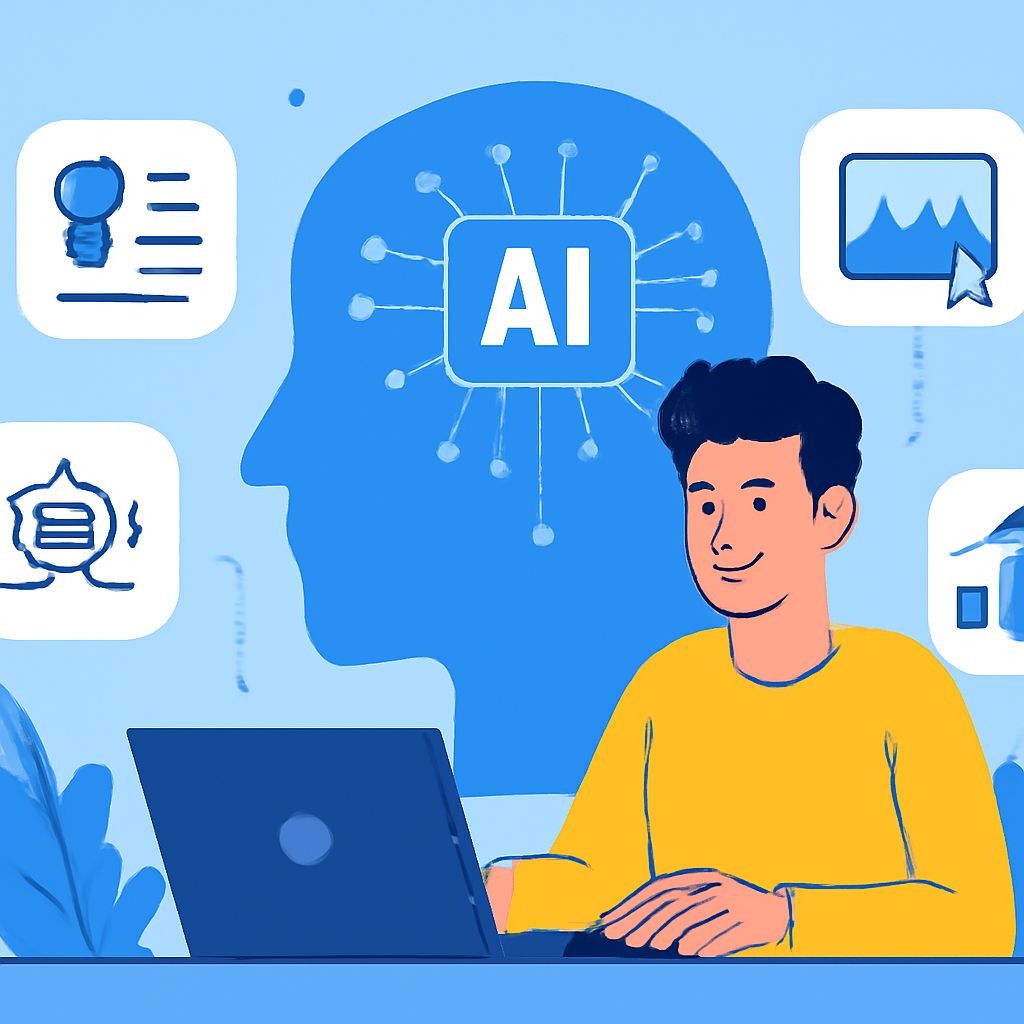

In today’s fast-paced digital world, the integration of Artificial Intelligence (AI) in various tools has transformed the way we work, learn, and communicate. From automating mundane tasks to providing insightful data analytics, AI-powered tools have become indispensable for tech enthusiasts and professionals alike. This article delves into practical ways to harness these AI tools effectively, ensuring you maximize their potential in your daily activities and projects.
Understanding AI-Powered Tools
AI-powered tools utilize machine learning algorithms and data processing capabilities to perform tasks that typically require human intelligence. These tools can assist in various fields such as marketing, customer service, data analysis, content creation, and more. Below is a breakdown of the primary categories of AI tools:
- Automation Tools: These are designed to perform repetitive tasks automatically. Examples include chatbots and email automation systems.
- Data Analytics Tools: Used for analyzing large datasets and providing insights. Examples include Google Analytics and Tableau.
- Content Creation Tools: These assist in generating text, graphics, or videos. Examples include Copy.ai and Canva.
- Personal Assistant Tools: Tools like Siri, Alexa, and Google Assistant fall into this category, helping users manage tasks and schedules.
Maximizing Efficiency with AI Tools
To leverage the full capabilities of AI-powered tools, it’s essential to implement them strategically. Here are several approaches to consider:
1. Identify the Right Tools for Your Needs
Assess your specific requirements and pain points to select appropriate AI-powered tools. Conduct a needs analysis to determine what tasks could benefit from automation or enhancement.
2. Training and Familiarization
Invest time in learning how to use the tools effectively. Many AI tools come with tutorials and support resources. Familiarize yourself with:
- The user interface
- Available features and functionalities
- Best practices for usage
Use Cases of AI Tools
Understanding practical applications can help in utilizing AI tools effectively. Here are some common use cases:
Marketing and Customer Engagement
AI tools can significantly enhance marketing strategies by providing targeted insights and automating customer interaction.
| Tool | Function | Benefits |
|---|---|---|
| HubSpot | Marketing automation | Improves lead nurturing, email campaigns, and analytics. |
| Drift | Chatbot for customer service | Increases lead conversion rates and enhances customer experience. |
Content Generation
AI technologies are revolutionizing content creation, allowing for faster and more efficient production of high-quality materials.
- Blog Posts: Tools like Jasper and Writesonic can generate engaging blog posts based on keywords.
- Social Media Posts: Use AI tools to curate and schedule content effectively across platforms like Buffer and Hootsuite.
Tips for Effective Implementation
To effectively integrate AI tools into your workflow, consider the following tips:
1. Start Small
Begin by integrating one or two AI tools into your routine. This allows you to gauge their effectiveness and make adjustments where necessary.
2. Monitor Progress and Feedback
Utilize analytics to track the performance of AI tools over time. Gather feedback from team members or stakeholders to measure impact.
3. Stay Updated with Trends
The AI landscape is continuously evolving. Regularly update yourself with the latest tools and trends to stay ahead in your field.
Ethical Considerations
While incorporating AI into your processes can improve efficiency, it’s crucial to address ethical considerations as well. Here are some aspects to consider:
- Data Privacy: Ensure compliance with data protection regulations (like GDPR) when using AI tools.
- Bias Mitigation: Be mindful of AI-generated content to avoid biases that may arise from training data.
- Transparency: Maintain transparency with users about how AI is utilized in your tools.
Conclusion
AI-powered tools have the potential to revolutionize how we approach various tasks in our professional and personal lives. By understanding their capabilities, implementing them strategically, and considering ethical implications, you can significantly enhance productivity and creativity. Embrace the future with AI, and let these tools empower your work and drive innovation.
FAQ
What are AI powered tools?
AI powered tools are software applications that utilize artificial intelligence to perform tasks that typically require human intelligence, such as data analysis, language processing, and decision-making.
How can I effectively use AI powered tools in my business?
To use AI powered tools effectively, identify specific tasks that can benefit from automation, choose the right tools for those tasks, and ensure your team is trained to use them efficiently.
What are some examples of AI powered tools?
Examples of AI powered tools include chatbots for customer service, predictive analytics software for marketing, and machine learning platforms for data analysis.
Can AI powered tools help improve productivity?
Yes, AI powered tools can significantly improve productivity by automating repetitive tasks, providing insights for better decision-making, and optimizing workflows.
What industries benefit the most from AI powered tools?
Industries such as healthcare, finance, retail, and manufacturing benefit greatly from AI powered tools, as they can enhance efficiency, reduce costs, and improve customer experiences.
How do I choose the right AI powered tool for my needs?
To choose the right AI powered tool, assess your specific needs, evaluate different options based on features and user reviews, and consider scalability and integration with existing systems.


