
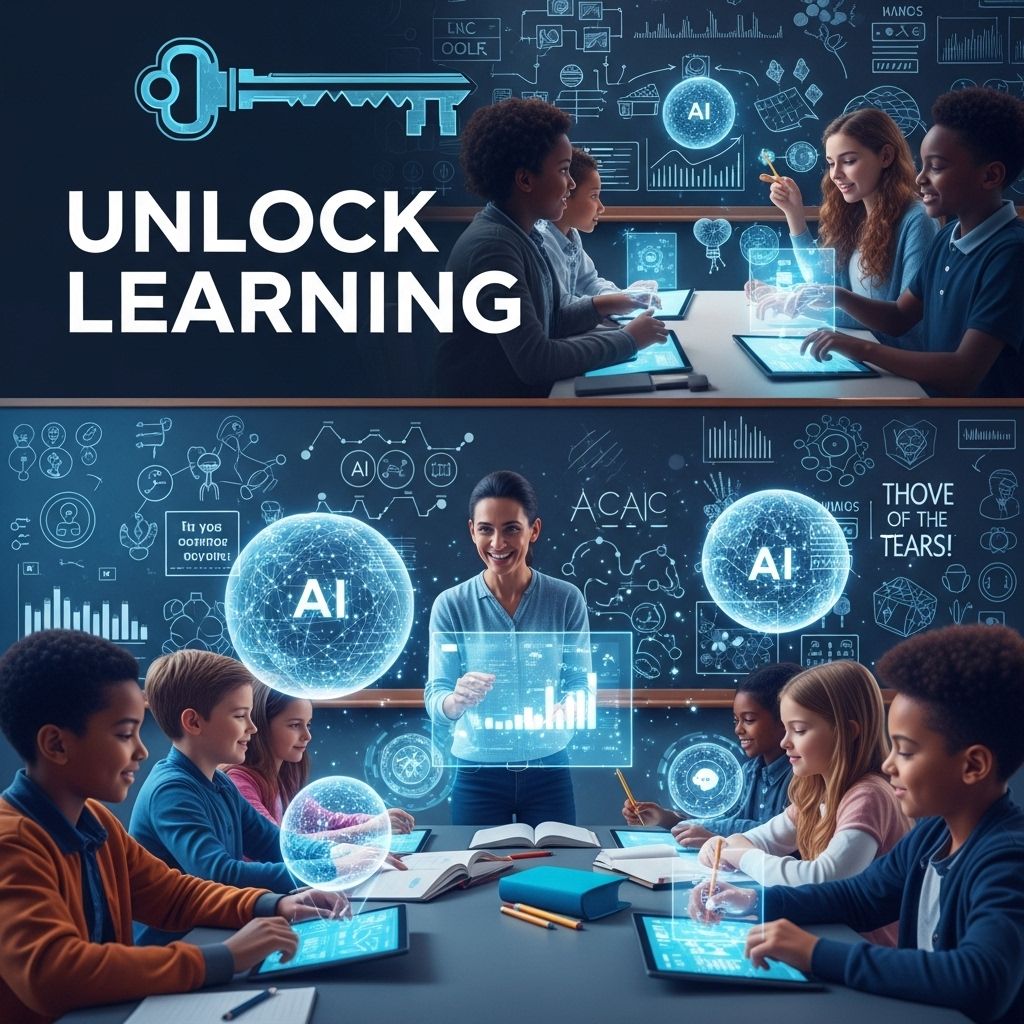

Artificial Intelligence (AI) is revolutionizing the education sector, creating new possibilities for personalized learning, efficiency, and engagement. From intelligent tutoring systems to administrative automation, AI tools are becoming indispensable in modern classrooms. This article delves into how AI is reshaping learning environments and enhancing educational outcomes.
Understanding AI in Education
AI in education encompasses various technologies and methodologies that enable machines to process information, learn from it, and make decisions. These tools can assist in everything from grading assignments to creating customized learning experiences. Here are some key aspects of AI in educational settings:
- Adaptive Learning: Tailoring educational experiences to individual learner needs.
- Predictive Analytics: Using data to forecast student performance and engagement.
- Natural Language Processing: Enabling machines to understand and respond to human language.
- Intelligent Tutoring Systems: Providing one-on-one tutoring that adjusts to the student’s pace.
The Benefits of AI Tools in Education
AI tools bring numerous benefits to educators and students alike. Here are some of the most significant advantages:
1. Personalized Learning Experiences
AI can analyze student data to create customized learning pathways, ensuring that educational content aligns with individual learning styles and paces.
2. Enhanced Engagement
Interactive AI tools can make learning more engaging through gamification and adaptive assessments, encouraging students to participate actively in their education.
3. Efficient Administrative Processes
AI-powered automation can streamline administrative tasks such as grading, scheduling, and student enrollment, allowing educators to focus on teaching rather than paperwork.
4. Improved Learning Outcomes
With real-time feedback and targeted interventions, AI tools can significantly enhance student outcomes, helping them achieve their academic goals.
Examples of AI Tools in Education
Several AI-powered tools and platforms are currently making waves in the educational landscape:
| Tool | Description | Key Features |
|---|---|---|
| Duolingo | A language-learning platform that uses AI to personalize lessons. | Adaptive quizzes, speech recognition, real-time feedback |
| Knewton | Adaptive learning platform for personalized educational experiences. | Real-time data analytics, customized learning paths |
| Grammarly | A writing assistant that employs AI to improve writing skills. | Grammar and style suggestions, plagiarism detection |
| Coursera | An online learning platform that offers courses from top universities. | Personalized course recommendations, peer reviews |
Challenges in Implementing AI in Education
Despite its potential, integrating AI in educational settings poses several challenges:
Data Privacy Concerns
The collection and analysis of student data raise privacy issues. Institutions must ensure that data is handled responsibly and transparently.
Equity and Access
Not all students have equal access to technology. Disparities in resources can lead to unequal educational opportunities.
Resistance to Change
Some educators may resist adopting new technologies due to a lack of training or fear of the unknown, hindering the effective use of AI tools.
Quality of Content
AI tools are only as good as the data and algorithms behind them. Poor-quality content can lead to misleading information and outcomes.
The Future of AI in Education
The future of AI in education looks promising as technology continues to evolve. Here are some anticipated trends:
- Greater Integration: Increased integration of AI tools into standard curricula.
- AI-Driven Analytics: More advanced data analytics to monitor student progress and adapt strategies effectively.
- Collaborative Learning: AI facilitating collaborative projects among students across the globe.
- Enhanced Teacher Support: AI tools providing teachers with better insights into student performance.
Conclusion
AI-powered tools are unlocking new avenues for learning, providing personalized, engaging, and effective educational experiences. While challenges remain, the ongoing development and integration of AI in education hold great promise for improving teaching and learning dynamics. As we move forward, educators and institutions must embrace these innovations while maintaining a focus on equity, privacy, and quality to truly harness the power of AI in education.
FAQ
What are AI-powered tools in education?
AI-powered tools in education refer to software applications and platforms that utilize artificial intelligence technologies to enhance learning experiences, personalize teaching, and streamline administrative tasks.
How can AI improve student learning outcomes?
AI can improve student learning outcomes by providing personalized learning experiences, identifying individual strengths and weaknesses, and adapting educational content to suit each student’s needs.
What are the benefits of using AI in classrooms?
The benefits of using AI in classrooms include increased engagement, tailored learning paths, efficient assessment methods, and the ability to analyze vast amounts of data to improve educational strategies.
Can AI tools help teachers with administrative tasks?
Yes, AI tools can assist teachers with administrative tasks such as grading, attendance tracking, and scheduling, allowing them to focus more on teaching and interacting with students.
Are AI-powered educational tools suitable for all age groups?
Yes, AI-powered educational tools can be designed for various age groups, from early childhood education to higher education, making learning more accessible and engaging for everyone.
What challenges do educators face when implementing AI in education?
Challenges include ensuring data privacy, integrating AI tools with existing curricula, training educators to effectively use these technologies, and addressing potential biases in AI algorithms.


