
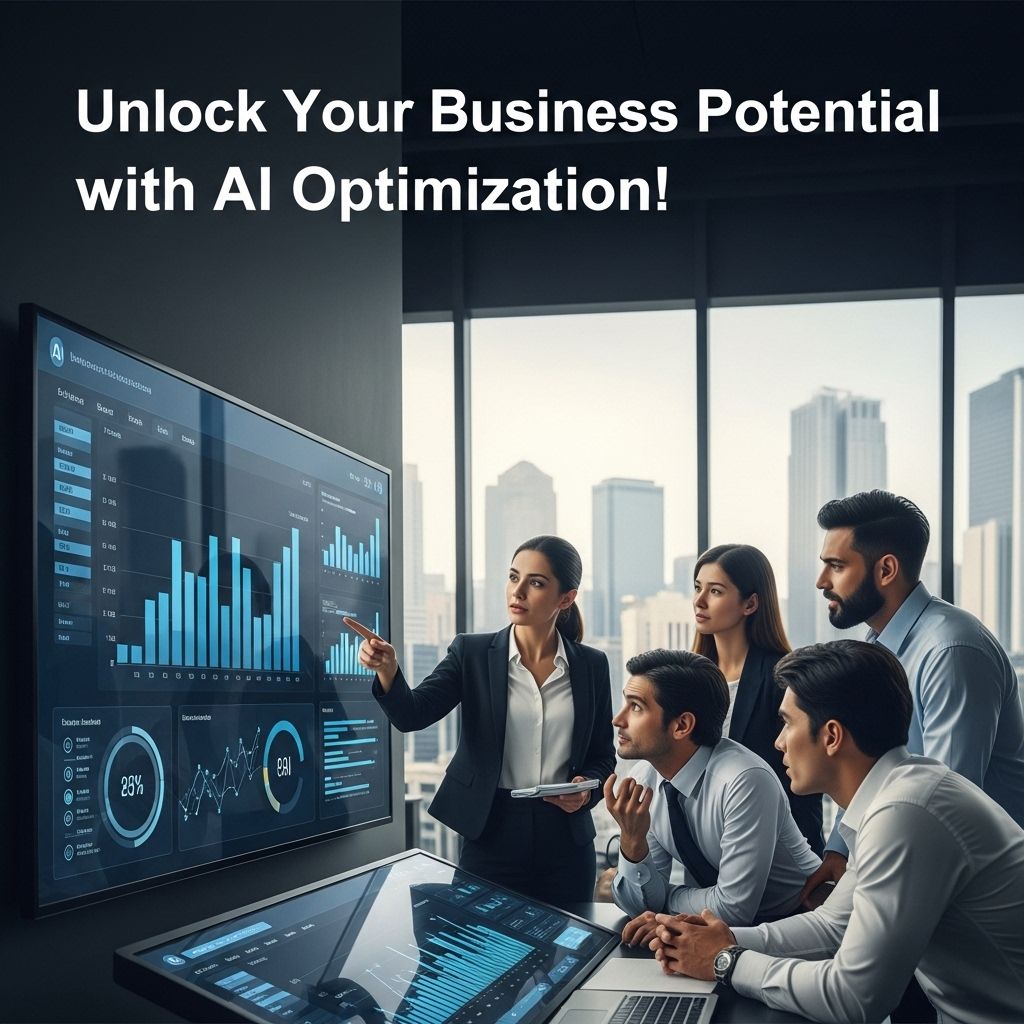

In today’s rapidly evolving technological landscape, businesses are increasingly turning to artificial intelligence (AI) not just for automation, but also for optimization. AI optimization involves using advanced algorithms and machine learning techniques to improve processes, enhance decision-making, and maximize performance. This approach can significantly boost operational efficiency and drive better outcomes across various business functions.
Understanding AI Optimization
AI optimization leverages data and algorithms to identify the best possible solutions to complex problems. By using predictive analytics, machine learning, and data mining, businesses can optimize everything from supply chain management to customer interactions. The core idea is to utilize AI to analyze vast amounts of data and identify patterns that human analysts might miss.
The Importance of Data
Data is the backbone of AI optimization. High-quality, relevant data allows AI systems to make informed decisions. Here are some critical aspects regarding the role of data:
- Quality Over Quantity: A smaller set of high-quality data can yield better insights than an extensive collection of poorly curated data.
- Real-Time Analysis: AI systems can process and analyze data in real-time, enabling businesses to react swiftly to market changes.
- Data Integration: Combining data from different sources improves the accuracy of the insights drawn.
Applications of AI Optimization in Business
AI optimization can be applied across various domains within a business, including:
1. Supply Chain Management
AI can streamline supply chain operations by:
- Forecasting demand accurately using historical data and seasonal trends.
- Optimizing inventory levels to reduce costs while ensuring product availability.
- Identifying potential disruptions in the supply chain and suggesting alternate routes or suppliers.
2. Marketing Strategy
In marketing, AI optimization enables businesses to:
- Personalize marketing campaigns based on customer behavior and preferences.
- Optimize ad placements and budgets for maximal ROI.
- Analyze customer engagement across different channels to refine marketing strategies.
3. Human Resource Management
AI tools can enhance HR operations by:
- Automating repetitive tasks such as resume screening and interview scheduling.
- Analyzing employee performance data to identify training needs and career development opportunities.
- Improving employee engagement through sentiment analysis based on feedback.
Benefits of AI Optimization
Integrating AI optimization into business processes offers numerous benefits:
| Benefit | Description |
|---|---|
| Increased Efficiency | Automation of routine tasks allows employees to focus on strategic initiatives. |
| Better Decision-Making | AI provides data-driven insights that support informed decision-making. |
| Cost Reduction | Optimized processes and resource allocation lead to reduced operational costs. |
| Enhanced Customer Experience | Personalized services improve customer satisfaction and loyalty. |
Challenges in Implementing AI Optimization
While the benefits are significant, there are challenges businesses must navigate when implementing AI optimization:
1. Data Privacy Concerns
With the increasing focus on data privacy regulations, businesses must ensure compliance while using customer data for AI optimization.
2. Integration with Existing Systems
Integrating AI solutions with legacy systems can be complicated and may require significant investment.
3. Skill Gaps
A lack of skilled personnel in AI and data analytics can impede the successful implementation of AI-driven optimization strategies.
Steps to Implement AI Optimization
Implementing AI optimization in your business requires a structured approach:
- Assess Your Needs: Identify which areas of your business could benefit from AI optimization.
- Data Gathering: Collect relevant data that AI systems can analyze.
- Select the Right Tools: Choose AI tools and platforms that align with your business goals.
- Trial Implementation: Start with pilot projects to test the effectiveness of AI solutions.
- Monitor and Adapt: Continuously monitor performance and adjust strategies as necessary.
Conclusion
AI optimization is not just a trend; it is a necessity for businesses looking to stay competitive in today’s market. By embracing AI-driven solutions, organizations can enhance their operational efficiency, improve decision-making, and ultimately drive better results. As technology continues to evolve, the possibilities for AI optimization will only expand, making it crucial for businesses to adapt and innovate continuously.
FAQ
What is AI optimization for businesses?
AI optimization refers to the use of artificial intelligence technologies to enhance business processes, improve decision-making, and increase operational efficiency.
How can AI optimization benefit my business?
AI optimization can lead to cost savings, improved customer experiences, enhanced productivity, and the ability to make data-driven decisions.
What types of businesses can benefit from AI optimization?
Virtually any business can benefit from AI optimization, including retail, finance, healthcare, manufacturing, and logistics.
What are some examples of AI optimization tools?
Examples of AI optimization tools include predictive analytics software, machine learning algorithms, and automated customer service systems.
How do I implement AI optimization in my business?
To implement AI optimization, assess your business needs, choose the right AI tools, train your staff, and continuously monitor and adjust your strategies.


