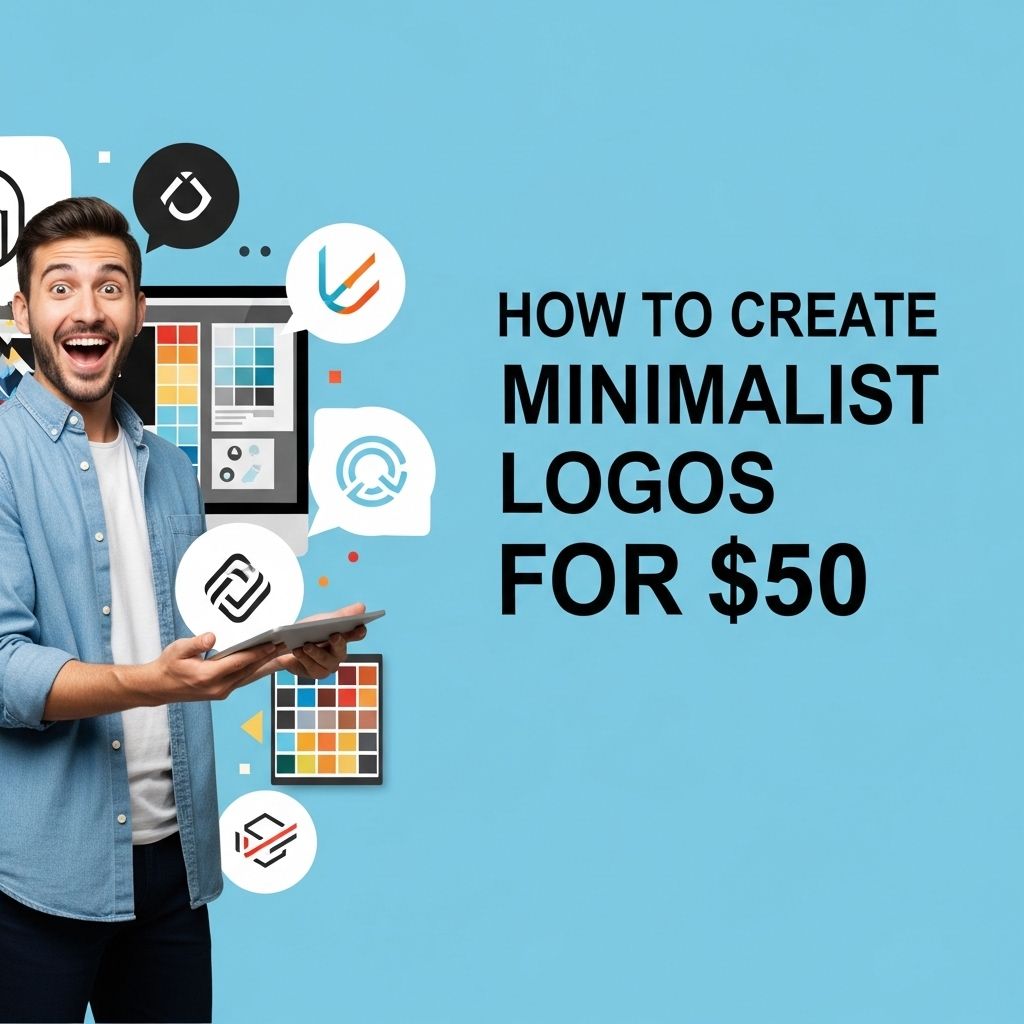

In today’s fast-paced digital world, a strong brand identity is essential for any business. A logo serves as the face of your brand, making it crucial to convey your message succinctly and effectively. Minimalist logos have gained immense popularity due to their simplicity and versatility. They embody the principle that less is more, focusing on essential elements to create a memorable design. This article explores how to create stunning minimalist logos without breaking the bank – all for just $50.
Understanding Minimalist Logo Design
Minimalist design has its roots in modernist art and architecture, emphasizing simplicity and functionality. A minimalist logo typically features:
- Clean lines
- Limited color palette
- Clear typography
- Simple shapes
By stripping away unnecessary details, minimalist logos create a strong visual impact, making them easily recognizable. They adapt well across various mediums, from business cards to websites, ensuring brand consistency.
Steps to Create a Minimalist Logo
1. Research and Brainstorm
Before diving into design, it’s essential to gather inspiration and define your brand’s values. Consider the following:
- Who is your target audience?
- What message do you want to convey?
- What are your competitors doing?
Utilize platforms like Pinterest and Behance to collect examples of minimalist logos that resonate with your vision. Create a mood board that captures the essence of your brand.
2. Choose Your Design Tools
There are numerous online tools and software available to help you create a logo without spending a fortune. Some popular options include:
| Tool | Description | Cost |
|---|---|---|
| Canva | Easy-to-use graphic design tool with numerous templates | Free / Premium options |
| Adobe Spark | Quick design tool for creating visuals and logos | Free / Subscription-based |
| Looka | AI-driven logo maker that generates logos based on your preferences | Starting at $20 |
| LogoMakr | Web-based logo maker with drag-and-drop functionality | Free / Low-cost |
Select a tool that fits your skill level and budget. Many of these platforms offer free trials or low-cost packages, making it easy to design without excess spending.
3. Sketch Your Ideas
Once you have a clear understanding of your brand and the tools at your disposal, it’s time to start sketching. Begin with rough drafts, focusing on:
- Basic shapes
- Typography
- Color combinations
Don’t aim for perfection initially; the goal is to explore various concepts. After generating several ideas, narrow them down to the top three designs that represent your brand best.
4. Digitalize Your Sketches
After selecting your top designs, transfer them to your chosen design tool. Use the following principles to ensure your logo remains minimalist:
- Limit color usage to 1-3 colors
- Opt for clear, legible fonts
- Incorporate negative space creatively
Experiment with different variations, such as adjusting the size and positioning of elements. A minimalist logo should be easily scalable and maintain its integrity at different sizes.
5. Gather Feedback
Once your logo is digitalized, it’s crucial to get feedback from trusted sources. Share your designs with peers, potential customers, or on social media to gather insights. Consider questions like:
- Is the logo memorable?
- Does it reflect the brand’s identity?
- Is it versatile across platforms?
Be open to constructive criticism, as it can guide you in refining your design further.
6. Finalize Your Logo
After making necessary adjustments based on feedback, it’s time to finalize your logo. Ensure that you save it in various formats such as:
- SVG (for scalability)
- PNG (for web use)
- PDF (for print materials)
Having multiple file formats ensures your logo maintains quality across different media and applications.
Cost-Effective Resources for Logo Creation
If you prefer not to design a logo yourself, there are affordable platforms where you can hire freelance designers. Consider the following options:
- Fiverr: A platform where you can find designers offering logo creation services starting at $5.
- 99designs: Run design contests where multiple designers submit their concepts based on your brief. Prices start around $299, but you can find lower tiers.
- Upwork: Hire freelancers directly, allowing you to negotiate rates based on your budget.
Tips for Successful Minimalist Logo Design
1. Practice Restraint
Minimalist design thrives on simplicity. Avoid overcomplicating your logo with excessive elements or colors. Focus on essential shapes and typography that convey your brand’s message clearly.
2. Embrace Negative Space
Negative space can enhance a logo’s visual appeal and create clever designs. For instance, the FedEx logo uses negative space to create an arrow, symbolizing speed and precision.
3. Test Versatility
Ensure your logo looks great across various applications, from digital platforms to print materials. A successful minimalist logo should remain impactful whether displayed on a business card or a billboard.
Conclusion
Creating a minimalist logo doesn’t have to be an expensive endeavor. With careful planning, the right tools, and a focus on simplicity, you can design a logo that embodies your brand’s identity for just $50. Embrace the minimalist approach, and let your logo speak volumes with its simplicity and elegance.
FAQ
What is a minimalist logo?
A minimalist logo is a design that uses simple shapes, limited colors, and clean lines to create a striking visual identity.
How can I create a minimalist logo for $50?
You can use online logo design tools, hire a freelance designer on platforms like Fiverr, or utilize logo maker apps that offer budget-friendly options.
What are the key elements of a successful minimalist logo?
Successful minimalist logos typically feature simplicity, strong typography, a limited color palette, and a focus on the brand’s core message.
Can I create a minimalist logo myself?
Yes, you can create a minimalist logo yourself using graphic design software like Adobe Illustrator or free tools like Canva and Looka.
What should I consider when designing a minimalist logo?
Consider your brand’s identity, target audience, color psychology, and the versatility of the logo across various platforms.