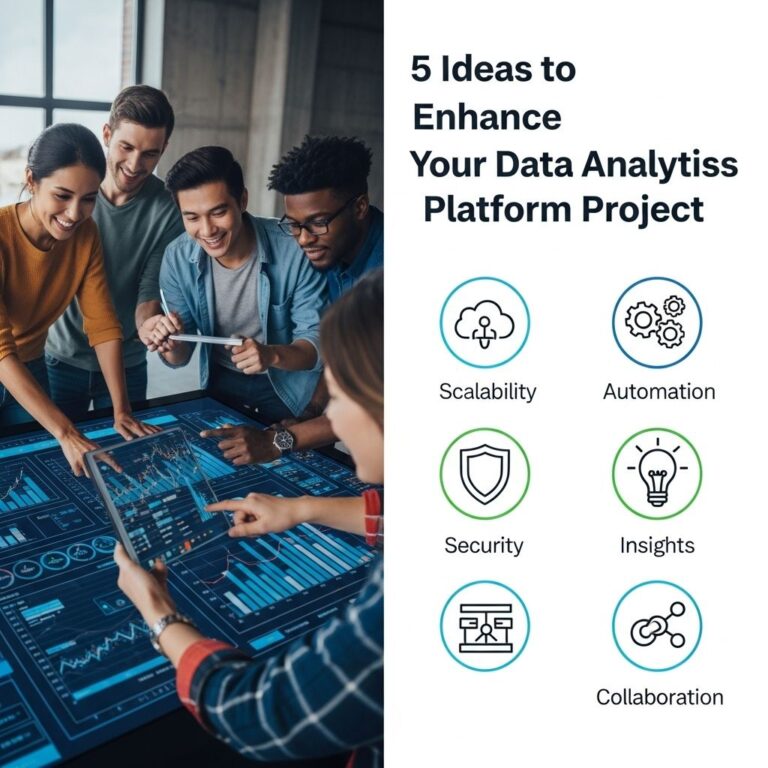
In the fast-paced world of business, operational analytics has emerged as a critical discipline for organizations seeking to enhance efficiency, drive decision-making, and gain a competitive edge. By leveraging data to analyze internal processes and improve operational performance, companies can respond swiftly to market changes and optimize resource allocation. Here, we delve into the five essential tools that can elevate your operational analytics strategy, offering insights into their functionalities, benefits, and how they can transform your data approach.
Understanding Operational Analytics
Operational analytics involves the use of data analysis techniques to monitor and improve business operations in real-time. Unlike traditional analytics, which often focuses on historical data and trends, operational analytics thrives on current data to derive actionable insights. This includes everything from supply chain management to workforce productivity.
Key Objectives of Operational Analytics
- Improve operational efficiency
- Enhance decision-making processes
- Identify and mitigate risks
- Optimize resource utilization
- Drive customer satisfaction
Essential Tools for Operational Analytics
To effectively harness the power of operational analytics, organizations need to implement the right tools. Here are five essential tools that can help businesses unlock valuable insights and streamline operations.
1. Tableau
Tableau is a powerful business intelligence tool known for its robust data visualization capabilities. It enables organizations to create interactive dashboards and reports that provide insights into operational performance.
Key Features
- Data Connectivity: Connects to various data sources including databases, spreadsheets, and cloud services.
- Drag-and-Drop Interface: User-friendly interface that makes data visualization accessible.
- Collaboration: Share insights with team members easily.
Benefits
With Tableau, users can:
- Quickly visualize complex data sets
- Identify trends and outliers
- Make informed decisions based on real-time data
2. Microsoft Power BI
Microsoft Power BI is another leading analytics tool that enables organizations to visualize data, share insights, and collaborate across teams. Its integration with other Microsoft products makes it a popular choice among enterprises.
Key Features
- Real-Time Analytics: Allows real-time data analysis and reporting.
- Data Transformation: Power Query facilitates data cleansing and transformation.
- Custom Visuals: Users can create custom visualizations to suit specific needs.
Benefits
Power BI helps organizations:
- Transform raw data into meaningful insights
- Facilitate data-driven decision-making
- Enhance collaboration through shared dashboards
3. Google Analytics
Google Analytics is widely recognized for tracking website performance, but its capabilities extend to operational analytics as well. Businesses can analyze operational metrics related to user behavior, sales funnels, and conversion rates.
Key Features
- Event Tracking: Monitor specific interactions on your site.
- Custom Reporting: Create tailored reports to focus on key performance indicators.
- Integration: Seamlessly integrates with other Google products.
Benefits
Using Google Analytics allows organizations to:
- Understand user engagement and behavior
- Identify areas for operational improvements
- Optimize marketing efforts based on data-driven insights
4. Apache Kafka
Apache Kafka is a distributed streaming platform that enables the real-time processing of data. It is particularly useful for businesses that require high-throughput and low-latency data pipelines, making it essential for operational analytics.
Key Features
- Scalability: Capable of handling large volumes of data with ease.
- Fault Tolerance: Ensures reliability in data processing.
- Real-Time Processing: Facilitates immediate data analysis and action.
Benefits
Apache Kafka empowers organizations to:
- React promptly to operational changes
- Monitor and analyze operational metrics in real-time
- Create data-driven applications that respond to user behaviors and trends
5. SAS Analytics
SAS Analytics is an advanced analytics tool that provides a comprehensive suite for data management, predictive analytics, and statistical analysis. It is designed for organizations looking to extract deeper insights from their operational data.
Key Features
- Predictive Analytics: Use historical data to forecast future trends.
- Data Mining: Discover patterns and relationships in large data sets.
- Advanced Reporting: Generate detailed analytical reports.
Benefits
With SAS Analytics, organizations can:
- Enhance forecasting accuracy
- Make informed decisions based on statistical evidence
- Streamline operational processes through data insights
Conclusion
Operational analytics is essential for any organization aiming to thrive in today’s data-driven environment. By employing tools like Tableau, Microsoft Power BI, Google Analytics, Apache Kafka, and SAS Analytics, businesses can harness the power of their operational data to make better decisions, improve efficiency, and ultimately enhance overall performance. Investing in these analytical solutions not only supports immediate operational needs but also positions organizations for long-term success.
FAQ
What is operational analytics?
Operational analytics refers to the process of analyzing data generated from business operations to improve efficiency, enhance decision-making, and optimize performance.
What are the key benefits of operational analytics?
The key benefits include improved operational efficiency, better resource allocation, enhanced decision-making capabilities, and the ability to identify trends and issues in real-time.
What tools are essential for operational analytics?
Essential tools include data visualization software, business intelligence platforms, predictive analytics tools, data integration tools, and real-time monitoring dashboards.
How can operational analytics impact business performance?
Operational analytics can significantly impact business performance by providing actionable insights that lead to cost reduction, process improvements, and increased profitability.
Is operational analytics suitable for small businesses?
Yes, operational analytics is suitable for businesses of all sizes, as it helps small businesses streamline operations and make data-driven decisions.
What types of data are analyzed in operational analytics?
Operational analytics typically analyzes data from various sources such as transactions, customer interactions, supply chain activities, and employee performance metrics.