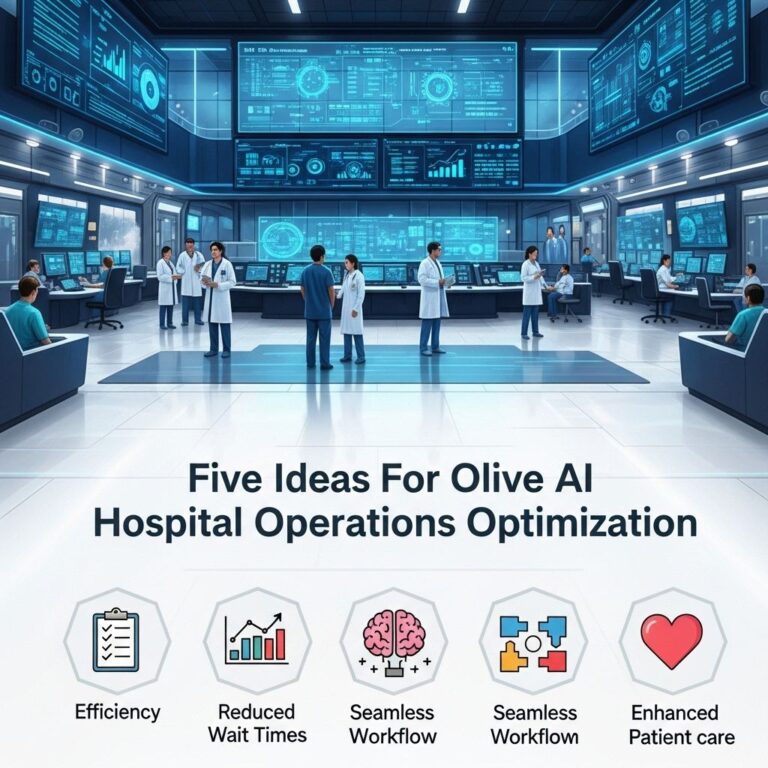
In the fast-evolving landscape of healthcare, leveraging technology for operational optimization is not just an option; it’s a necessity. With the advent of Artificial Intelligence (AI) solutions like Olive AI, hospitals are presented with unprecedented opportunities to streamline their operations, reduce costs, and improve patient outcomes. This article delves into five proven strategies that hospitals can implement to harness the power of Olive AI for optimizing their operations.
Understanding Olive AI’s Role in Healthcare Operations
Olive AI is designed to automate repetitive tasks, provide data-driven insights, and enhance decision-making processes within healthcare settings. By integrating Olive AI into hospital operations, organizations can free up valuable human resources and shift their focus towards more critical aspects of patient care.
1. Automating Administrative Tasks
One of the most significant burdens on healthcare providers is the plethora of administrative tasks that consume time and resources. Olive AI can automate several key processes:
- Patient Scheduling: Automating appointment bookings and reminders can significantly reduce no-show rates.
- Billing and Claims Processing: Streamlining these processes helps in faster reimbursements and reduced errors.
- Data Entry: Automation in data entry reduces the chances of inaccuracies while saving time.
By implementing these automated solutions, hospitals can enhance operational efficiency and allow staff to concentrate on patient care instead of paperwork.
2. Enhancing Patient Engagement
Engaging patients in their care journey is crucial for improving outcomes. Olive AI can assist in this area through:
AI-Powered Chatbots
Chatbots powered by Olive AI can provide 24/7 support to patients, answering queries, and guiding them through processes such as:
- Scheduling appointments
- Understanding their treatment plans
- Accessing their medical records
Personalized Communication
Utilizing AI to analyze patient data enables hospitals to tailor communications, ensuring that patients receive relevant information based on their health needs and preferences.
3. Optimizing Resource Allocation
Effective resource allocation can lead to significant cost savings and improved service delivery. Olive AI offers hospitals tools to analyze and predict resource needs:
Demand Forecasting
AI algorithms can analyze historical data and current trends to predict patient inflow. This can help hospitals:
- Adjust staffing levels appropriately
- Manage inventory and supply levels
- Prepare for seasonal demand fluctuations
Workflow Optimization
By assessing workflow patterns, Olive AI can identify bottlenecks and suggest process improvements, ensuring that resources are utilized efficiently.
4. Improving Clinical Decision Support
AI technologies can significantly enhance clinical decision-making by providing healthcare professionals with real-time data and insights:
Data Analytics
Olive AI can compile and analyze vast amounts of patient data to provide predictive insights:
| Data Type | Potential Use |
|---|---|
| Patient Medical History | Risk assessment for chronic diseases |
| Genetic Information | Tailored treatment plans |
| Social Determinants of Health | Identifying barriers to care |
Clinical Guidelines Integration
Integrating evidence-based guidelines into the AI system helps practitioners make informed decisions quickly, ultimately leading to better patient outcomes.
5. Streamlining Supply Chain Management
Efficient supply chain management is essential for maintaining quality patient care. Olive AI can streamline this process by:
Inventory Management
AI can monitor supply levels and predict when reordering is necessary, reducing waste and ensuring critical supplies are always available.
Vendor Performance Analysis
By analyzing vendor performance data, hospitals can make informed decisions regarding supplier contracts, ensuring they receive the best value and quality for their purchases.
Conclusion
In conclusion, optimizing hospital operations through AI, specifically with solutions like Olive AI, is not just about efficiency; it’s about transforming the healthcare experience for both providers and patients. By automating administrative tasks, enhancing patient engagement, optimizing resource allocation, improving clinical decision support, and streamlining supply chain management, hospitals can achieve a more sustainable and effective operational model. As technology continues to advance, embracing these innovations will be crucial for healthcare organizations striving to meet the growing demands of the industry while delivering high-quality care.
FAQ
What is Olive AI and how does it optimize hospital operations?
Olive AI is an advanced automation platform that streamlines hospital operations by leveraging artificial intelligence to reduce administrative burdens, enhance efficiency, and improve patient care.
How can Olive AI reduce administrative costs in hospitals?
Olive AI automates routine tasks such as billing, scheduling, and claims processing, which significantly lowers administrative costs and allows staff to focus on patient care.
What are the benefits of using Olive AI for patient scheduling?
Olive AI enhances patient scheduling by optimizing appointment slots, reducing cancellations and no-shows, and ensuring better resource allocation for healthcare providers.
Can Olive AI improve patient data management?
Yes, Olive AI improves patient data management by automating data entry, ensuring accuracy, and providing real-time access to critical patient information for healthcare professionals.
How does Olive AI contribute to better care coordination?
Olive AI facilitates better care coordination by streamlining communication between departments, ensuring that all team members have access to the same patient information, and helping to prevent errors.
Is Olive AI scalable for hospitals of different sizes?
Absolutely! Olive AI is designed to be scalable, making it suitable for hospitals of all sizes, from small clinics to large healthcare systems, allowing for customized solutions based on specific operational needs.