
The world of filmmaking is continually evolving, driven by advancements in technology that provide filmmakers with innovative tools to enhance their craft. Whether you’re a seasoned professional or a budding filmmaker, embracing these tools can significantly improve your storytelling, production quality, and creative expression. In this article, we will explore some cutting-edge tools and technologies that are shaping the future of short film production.
Understanding the New Age of Filmmaking
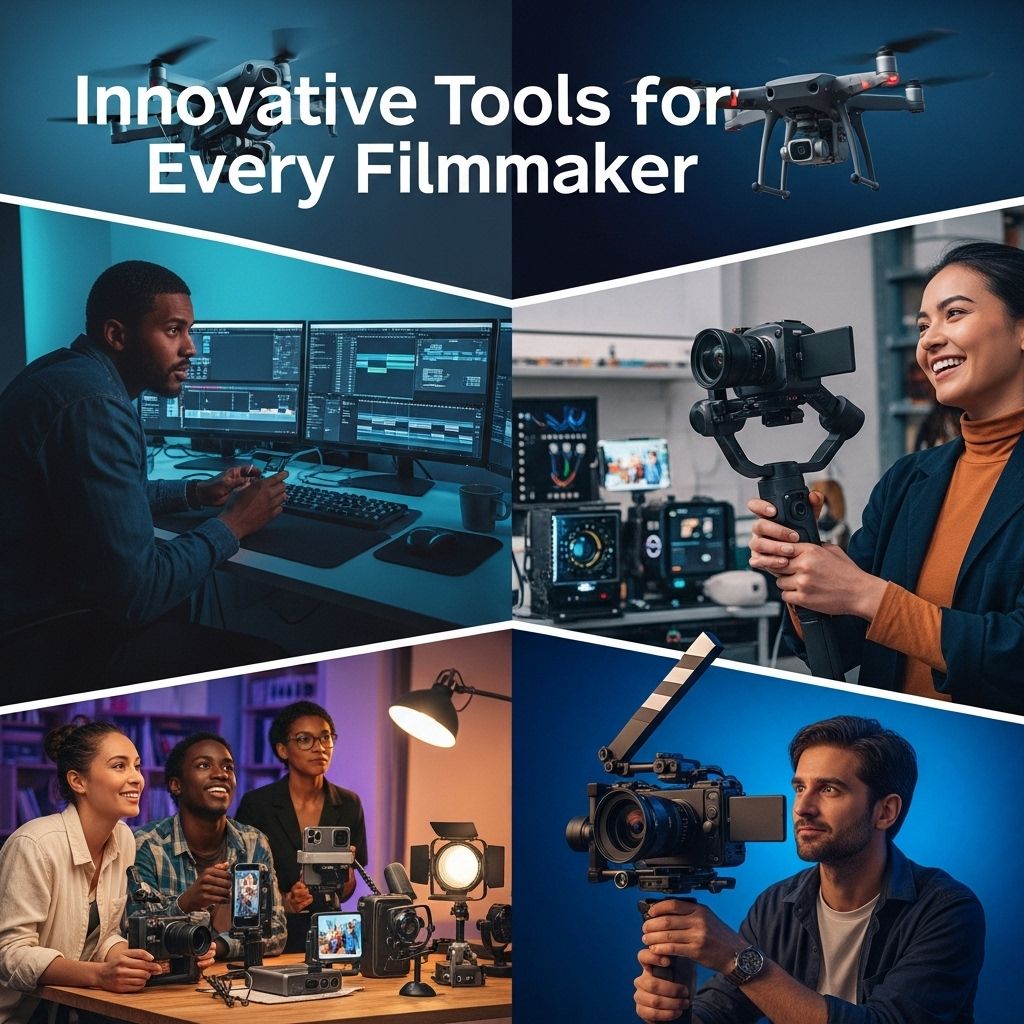
The advent of digital technology has transformed the landscape of filmmaking. Today, filmmakers have access to an array of tools that streamline the production process, enhance visual storytelling, and facilitate collaboration. Below are some categories of innovative tools that are essential for every filmmaker.
Camera Equipment
The heart of any filmmaking project lies in the camera equipment used. Modern cameras offer unprecedented capabilities, allowing filmmakers to capture stunning visuals.
1. 4K and 8K Cameras
- RED Komodo 6K: A compact, powerful camera with exceptional image quality.
- Canon EOS C300 Mark III: Known for its superb color science and high dynamic range.
- Blackmagic Pocket Cinema Camera 6K Pro: Offers a great balance of quality and affordability.
2. Drones
Drones have revolutionized aerial cinematography, providing filmmakers with unique perspectives. Popular models include:
- Dji Mavic Air 2: Compact, easy to use, and offers 4K video capabilities.
- Autel Robotics EVO Lite: Features impressive battery life and image quality.
Editing Software
Editing is where the magic happens. The right software can enhance your film’s story and visual impact.
1. Adobe Premiere Pro
A leading video editing software that offers powerful features such as multi-camera editing and advanced color correction.
2. DaVinci Resolve
Renowned for its color grading capabilities, it is an excellent choice for filmmakers who prioritize visual aesthetics.
3. Final Cut Pro X
Exclusive to Mac users, this software is known for its intuitive interface and seamless integration with other Apple products.
Sound Design Tools
Sound plays a crucial role in storytelling. High-quality sound design can elevate your film significantly. Here are some tools that every filmmaker should consider:
1. Audio Recorders
- Zoom H4n Pro: Versatile and portable, ideal for on-location recording.
- Tascam DR-40X: Features dual recording and XLR inputs.
2. Sound Editing Software
Tools like Avid Pro Tools and Adobe Audition are essential for polishing audio, adding effects, and ensuring high-quality sound.
Lighting Equipment
Good lighting is essential for creating mood and depth in your films. Here are some innovative lighting tools:
1. LED Light Panels
- Godox SL-60W: Affordable and versatile option for continuous lighting.
- Neewer 660 LED Video Light: Adjustable brightness and color temperature.
2. Softboxes and Umbrellas
These tools help diffuse light for a softer, more flattering appearance.
Scripting and Storyboarding Tools
Having a solid script and storyboard is vital to the filmmaking process. Several tools can help streamline this process:
1. Celtx
A comprehensive tool for scriptwriting, storyboarding, and production management.
2. Storyboarder
A free, open-source tool that simplifies the process of visualizing scenes.
Collaboration and Project Management Tools
Filmmaking often involves large teams. Effective collaboration tools can enhance productivity:
1. Frame.io
A cloud-based collaboration platform that allows teams to share feedback instantly.
2. Slack
A communication platform that helps teams stay connected and organized throughout the project.
Distribution Platforms
Once your film is complete, getting it in front of an audience is crucial. Consider these distribution platforms:
1. Vimeo
A popular platform for filmmakers to showcase their work and connect with an audience.
2. YouTube
Offers a massive audience base, making it an essential platform for sharing films.
Future Innovations in Filmmaking
The future of filmmaking looks promising with emerging technologies such as:
- Virtual Reality (VR): Enables immersive storytelling experiences.
- Artificial Intelligence (AI): Assists in editing, scriptwriting, and even casting decisions.
- Real-time Rendering: Techniques used in gaming are now being adapted for film production.
Conclusion
The tools available to filmmakers today are powerful and diverse, enabling creators to bring their visions to life more effectively than ever before. By leveraging these innovative tools, filmmakers can enhance their storytelling capabilities, improve production quality, and reach wider audiences. Embrace the changing landscape of filmmaking and let your creativity shine through these advanced tools.
FAQ
What are some innovative tools for short film making?
Innovative tools for short film making include smartphone cameras with advanced settings, drones for aerial shots, gimbals for stabilization, portable lighting kits, and editing software like DaVinci Resolve or Adobe Premiere Pro.
How can I enhance my short film with sound design?
You can enhance your short film with sound design by using tools like Adobe Audition or Audacity, incorporating sound effects, and creating a dynamic audio mix to improve the overall viewing experience.
What is the role of storyboarding in short film production?
Storyboarding is crucial in short film production as it helps visualize scenes, plan shots, and streamline the filming process, ensuring that the narrative flows smoothly.
Which mobile apps are best for shooting short films?
Some of the best mobile apps for shooting short films include FiLMiC Pro for professional video recording, KineMaster for editing, and Filmic Pro for advanced camera controls.
How can I distribute my short film effectively?
To distribute your short film effectively, consider platforms like YouTube, Vimeo, and social media channels, as well as submitting to film festivals and online film competitions.
What are the benefits of using 360-degree cameras in filmmaking?
Using 360-degree cameras in filmmaking allows for immersive storytelling, engaging viewers in unique ways, and creating experiences that traditional filmmaking cannot achieve.