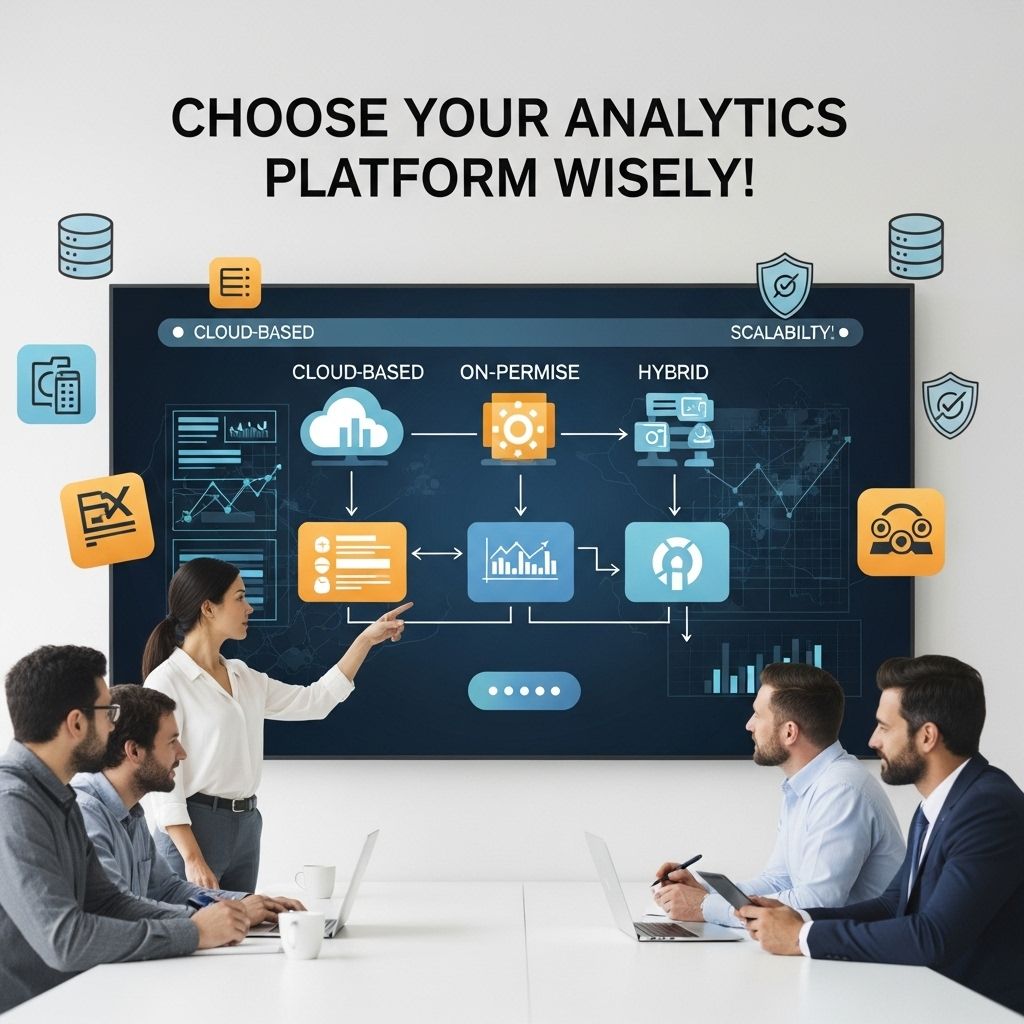

In today’s fast-paced digital landscape, businesses are increasingly reliant on data analytics to drive decision-making and strategy. Choosing the right data analytics platform architecture is crucial in establishing a robust infrastructure that not only supports current needs but also scales with future demands. With an array of options available, organizations must navigate through various considerations to select an architecture that aligns with their goals. This article explores key factors to consider when choosing your data analytics platform architecture.
Understanding Data Analytics Architecture
Data analytics architecture refers to the framework that encompasses the tools, systems, and processes used to collect, store, process, and analyze data. It acts as the backbone for data-driven initiatives, and the effectiveness of an organization’s data analytics efforts largely relies on the underlying architecture. Here are the core components of data analytics architecture:
- Data Sources: The origin of data, including databases, cloud storage, IoT devices, and external data feeds.
- Data Storage: Where data is stored, which can include data lakes, data warehouses, and databases.
- Data Processing: The method of transforming raw data into a usable format, involving ETL (Extract, Transform, Load) processes, real-time streaming, etc.
- Data Analytics Tools: Software and platforms used for analyzing data, including business intelligence (BI) tools, machine learning libraries, and statistical software.
- Data Visualization: Tools that present data in graphical formats, making it easier to interpret and share insights.
Key Considerations for Selecting an Architecture
When choosing a data analytics platform architecture, several factors come into play. Below are some of the most crucial considerations to ensure you select the best architecture for your organization:
1. Business Objectives
Define the primary goals for your data analytics initiatives:
- Are you focusing on operational efficiency?
- Is customer retention a primary concern?
- Do you need to enhance product offerings based on consumer insights?
Understanding your business objectives will help tailor the architecture to meet specific analytical needs.
2. Data Volume and Variety
Assess the volume and types of data your organization handles:
- Structured Data: Traditional data stored in relational databases.
- Unstructured Data: Data that doesn’t fit neatly into tables, such as social media posts and videos.
- Semistructured Data: Data that falls between structured and unstructured, like JSON or XML files.
Choosing an architecture capable of scaling to handle increasing data volumes and accommodating various data formats is essential.
3. Real-time Processing Needs
Determine whether real-time data processing is crucial for your operations:
- Do you require instant insights for decision-making?
- Is there a need to monitor systems or customer interactions in real-time?
If so, consider architectures that support streaming analytics and real-time data processing capabilities.
4. Integration Capabilities
Analyze how well your chosen architecture integrates with existing systems:
- Does it connect seamlessly with your CRM, ERP, or other business applications?
- Can it incorporate external data sources for enriched analytics?
An architecture with strong integration capabilities allows for a more holistic view of data across the organization.
5. Scalability and Flexibility
Choose an architecture that can grow with your organization:
- Can it handle increased data loads as your business expands?
- Is the architecture flexible enough to adapt to changing analytical requirements?
Cloud-based solutions often provide enhanced scalability compared to traditional on-premises setups.
6. Security and Compliance
Data security and compliance with regulations are non-negotiable:
- Ensure that your architecture adheres to industry standards (e.g., GDPR, HIPAA).
- Implement strong data governance policies to protect sensitive information.
Evaluate security features like encryption, user authentication, and access controls that the architecture offers.
Types of Data Analytics Architectures
Different approaches to data analytics architecture can serve various needs. Here are some common architectures:
1. Traditional Data Warehousing
A classic architecture that consolidates data from multiple sources into a centralized repository. It is ideal for structured data but may struggle with large volumes of unstructured data.
2. Data Lakes
Designed to store vast amounts of raw data in its native format. Data lakes are suitable for organizations that collect a variety of data types and prioritize flexibility in analytics.
3. Hybrid Architecture
A combination of data lakes and data warehouses, allowing businesses to leverage the strengths of both. This architecture supports structured and unstructured data and offers a balance between performance and affordability.
4. Cloud-based Analytics
Leveraging cloud computing platforms allows for scalable resources on-demand and can support real-time analytics. Cloud architectures also typically reduce hardware costs and maintenance.
5. Serverless Architecture
Serverless computing lets you run analytics without managing servers. This architecture can simplify processes and enhance flexibility, as resources are allocated based on demand.
Evaluating Vendors and Tools
Once you’ve outlined your architectural needs, the next step is evaluating potential vendors and tools:
1. Vendor Reputation
Research the reputation of vendors in the market:
- Check user reviews and case studies.
- Assess their customer support and service offerings.
2. Cost Considerations
Examine the total cost of ownership:
- Consider initial setup costs, ongoing maintenance, and operational expenses.
- Look for hidden costs associated with licensing or data transfer.
3. Trial and Prototyping
Engage in trials or prototypes to test potential solutions:
- Evaluate user-friendliness and adaptability to your needs.
- Assess performance based on your specific data workloads.
Conclusion
Choosing the right data analytics platform architecture is a critical decision that can shape your organization’s analytical capabilities. By understanding your business goals, assessing data characteristics, and evaluating various architectures, you can select a solution that meets your current needs while being prepared for future growth. With the right architecture in place, you’ll be well-equipped to utilize data effectively and drive insights that propel your business forward.
FAQ
What factors should I consider when choosing a data analytics platform architecture?
Consider scalability, ease of integration, cost, performance, and the specific analytics needs of your organization.
How does cloud-based architecture differ from on-premises architecture for data analytics?
Cloud-based architecture offers flexibility, scalability, and lower upfront costs, while on-premises architecture provides more control and customization options.
What are the benefits of a modular data analytics architecture?
A modular architecture allows for easier updates, better resource management, and the ability to integrate new technologies without overhauling the entire system.
How important is data security in choosing a data analytics platform architecture?
Data security is critical; ensure the architecture complies with regulations and offers robust security features to protect sensitive information.
Can I integrate multiple data sources in my analytics architecture?
Yes, a good analytics platform architecture should support integration with various data sources, enabling comprehensive analysis across your data landscape.