
As businesses increasingly navigate complex supply chains and customer demands, effective inventory management has become paramount. In 2025, leveraging the right tools and techniques will not only streamline operations but also enhance decision-making and customer satisfaction. This article delves into essential inventory management tools and techniques that every tech-savvy organization should consider integrating into their processes.
Understanding Inventory Management
Inventory management involves the supervision of non-capitalized assets, or inventory, and stock items. It encompasses various functions such as ordering, warehousing, and controlling the flow of goods. Proper management ensures that a business has the right amount of stock at the right time, minimizing costs and maximizing profitability.
Key Objectives of Inventory Management
- Maintaining optimal stock levels
- Reducing carrying costs
- Enhancing customer satisfaction through timely delivery
- Minimizing waste and obsolescence
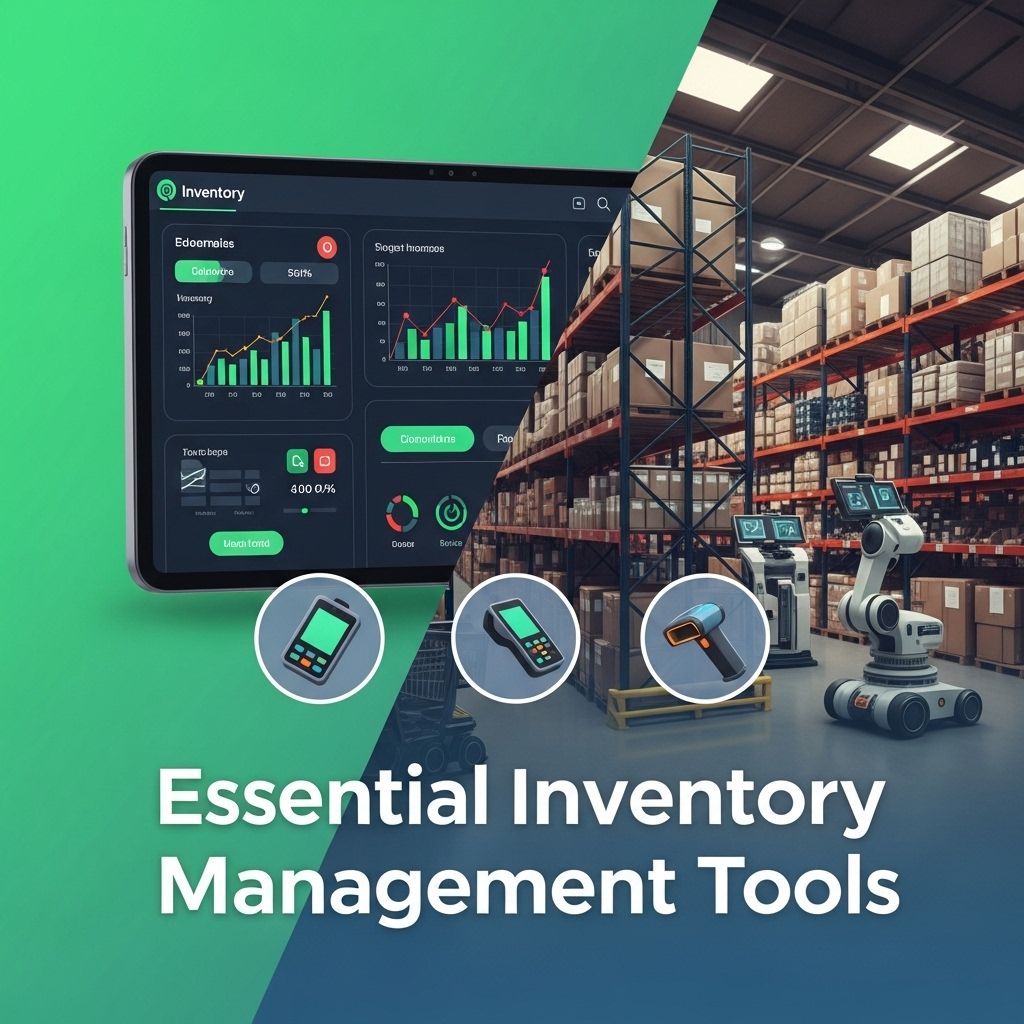
Essential Inventory Management Tools for 2025
Technological advancements have transformed traditional inventory management practices. Here are the must-have tools that can revolutionize how businesses handle inventory:
1. Inventory Management Software
Modern inventory management software is crucial for tracking inventory in real-time. These applications facilitate everything from order processing to stock level monitoring. Popular options include:
| Software | Key Features | Best For |
|---|---|---|
| TradeGecko | Multi-channel sales, automated inventory tracking | Small to Medium-sized Businesses |
| Zoho Inventory | Order management, shipping integration | Startups & SMEs |
| NetSuite ERP | Comprehensive ERP, real-time analytics | Enterprise-level businesses |
2. Barcode Scanning Systems
Utilizing barcode technology helps in accurately tracking inventory. Scanners can be used for:
- Quick stocktaking
- Prevention of manual entry errors
- Streamlined shipping and receiving processes
3. RFID Technology
Radio Frequency Identification (RFID) technology is emerging as a game-changer in inventory management. Unlike barcodes, RFID tags can be read without direct line-of-sight, allowing for:
- Faster inventory counts
- Improved accuracy
- Enhanced tracking of items in real-time
Advanced Techniques for Effective Inventory Management
In addition to tools, adopting advanced techniques can further optimize inventory processes. Here are some methodologies to consider:
1. Just-in-Time (JIT) Inventory
The JIT inventory strategy focuses on receiving goods only as they are needed in the production process, thereby reducing inventory costs. Key benefits include:
- Decreased storage costs
- Reduced waste
- Increased operational efficiency
2. ABC Analysis
ABC analysis categorizes inventory into three classes based on importance:
- A-items: High-value products with low sales frequency
- B-items: Moderate value and moderate sales frequency
- C-items: Low-value products with high sales frequency
This method helps prioritize management efforts on the most impactful inventory.
3. Demand Forecasting
Accurate demand forecasting helps businesses predict future inventory needs. Techniques include using historical data, market trends, and statistical analysis. The benefits are:
- Reduced stockouts
- Minimized excess inventory
- Improved customer service
Integrating AI and Machine Learning
As technology evolves, integrating AI and machine learning into inventory management processes can lead to smarter decision-making. These technologies can assist in:
- Predicting demand trends
- Automating inventory replenishment
- Identifying anomalies in stock levels
Benefits of AI in Inventory Management
The incorporation of AI can offer numerous advantages:
- Enhanced accuracy in inventory tracking
- Improved forecasting capabilities
- Reduced operational costs
Challenges in Inventory Management
Despite the advancements in tools and techniques, businesses still face several challenges in inventory management. Some common issues include:
1. Data Quality
Inadequate data can lead to poor decision-making. Businesses must ensure data integrity by:
- Regularly auditing inventory records
- Implementing robust data entry protocols
2. Supply Chain Disruptions
Global events can disrupt supply chains, leading to stock shortages or delays. Businesses should:
- Develop contingency plans
- Diversify suppliers
3. Technology Integration
Integrating various inventory management technologies can be daunting. To ease the process:
- Choose scalable solutions
- Invest in employee training
Conclusion
As we approach 2025, the landscape of inventory management is set to undergo transformative changes. By embracing modern tools such as inventory management software, barcode systems, and RFID technology, alongside advanced techniques like JIT and demand forecasting, businesses can streamline their operations effectively. The integration of AI will further enhance these practices, making inventory management more efficient and data-driven. However, it is crucial to remain aware of the challenges and continuously seek to improve processes in response to an ever-evolving business environment.
FAQ
What are the essential inventory management tools for 2025?
The essential inventory management tools for 2025 include cloud-based inventory systems, RFID technology, barcode scanning software, and AI-driven analytics platforms.
How can AI improve inventory management in 2025?
AI can enhance inventory management in 2025 by predicting demand patterns, optimizing stock levels, and automating reordering processes to reduce excess inventory.
What techniques can businesses use for effective inventory management in 2025?
Effective techniques include just-in-time inventory, ABC analysis, cycle counting, and employing inventory optimization algorithms to manage stock efficiently.
Why is cloud-based inventory management important in 2025?
Cloud-based inventory management is crucial in 2025 for real-time data access, improved collaboration across teams, and scalability to meet changing business needs.
What role does RFID play in inventory management for 2025?
RFID technology plays a significant role in 2025 by enabling accurate tracking of inventory in real-time, reducing human error, and improving overall efficiency in stock management.
How can businesses prepare for the future of inventory management in 2025?
Businesses can prepare for the future by investing in advanced technologies, training staff on new tools, and regularly reviewing and adjusting inventory strategies to align with market trends.