
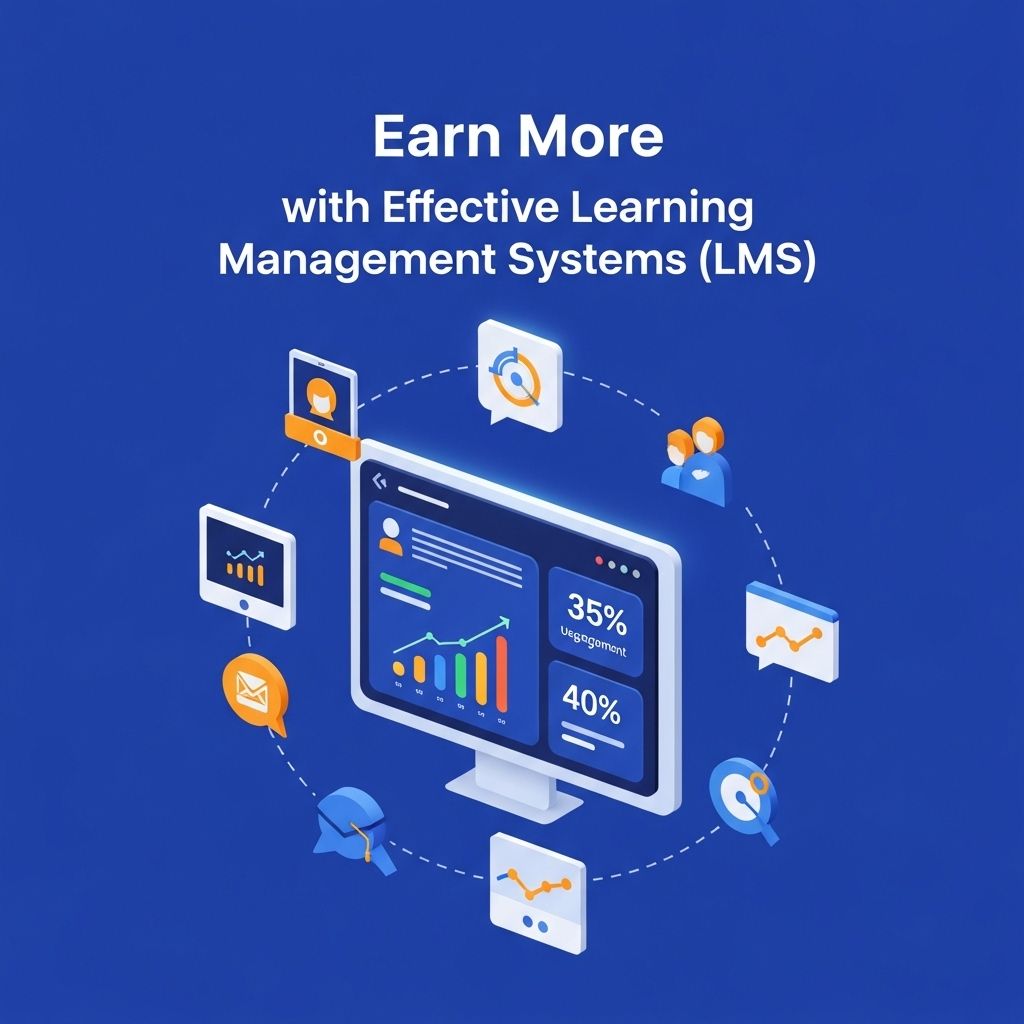

In the fast-paced world of technology and business, the need for enhancing workforce skills and knowledge has never been more pressing. Organizations are increasingly turning to Learning Management Systems (LMS) to streamline training processes, engage employees, and drive productivity. This article delves deep into how effective LMS can help companies earn more through enhanced learning experiences and outcomes.
Understanding Learning Management Systems
An LMS is a software application designed to plan, implement, and assess a specific learning process. It allows educators, trainers, and organizations to deliver content, track progress, and manage learning activities. Modern LMS platforms have evolved from simple course management tools to comprehensive solutions that incorporate various learning methodologies.
Key Features of LMS
- User-Friendly Interface: A well-designed LMS should have an intuitive interface that enhances user experience.
- Content Management: The ability to create, upload, and organize course materials seamlessly.
- Tracking and Reporting: Tools for monitoring learner progress and generating analytical reports.
- Mobile Accessibility: Ensuring learners can access content from various devices.
- Interactive Learning Tools: Incorporating quizzes, discussions, and gamification elements to increase engagement.
Benefits of Implementing an LMS
Investing in an LMS can lead to numerous advantages for organizations:
1. Cost Efficiency
Traditional training methods often incur high costs related to travel, materials, and instructor fees. An LMS reduces these expenses significantly:
- Reduced Training Costs: E-learning mitigates the need for physical venues and materials.
- Scalability: Training can be rolled out across the organization simultaneously, eliminating duplicated effort.
2. Improved Knowledge Retention
Studies show that interactive and varied learning experiences enhance knowledge retention. LMS platforms often provide:
- Micro-Learning: Short, focused segments of content that are easier to digest.
- Social Learning: Features that allow collaborative and peer-to-peer learning.
3. Enhanced Reporting and Analytics
Data analytics is a significant advantage of using an LMS. Organizations can:
- Identify Skill Gaps: By analyzing learner performance, organizations can determine areas needing improvement.
- Measure ROI: Evaluate the effectiveness of training programs based on employee performance and productivity metrics.
Choosing the Right LMS for Your Organization
Not all LMS platforms are created equal. Here are important factors to consider when selecting an LMS:
1. Define Your Goals
Understand what you want to achieve from the LMS. Is it employee onboarding, compliance training, or skill development? Clear objectives will guide your selection process.
2. Consider Usability
A good LMS should be user-friendly for both administrators and learners. Consider platforms that offer:
- Easy Navigation: Learners should be able to find content effortlessly.
- Customization Options: Ability to tailor the system to fit company branding and specific training needs.
3. Evaluate Integration Capabilities
Your LMS should seamlessly integrate with existing systems (like HR software, CRM tools, etc.) to enhance functionality:
- Single Sign-On: A secure, efficient login process for users.
- Data Synchronization: Ensure that learner data can be easily synchronized across platforms.
4. Look for Support and Training
Implementation and ongoing support are crucial. Check if the LMS provider offers:
- Onboarding Support: Help with the initial setup and user training.
- Customer Support: Availability of assistance when issues arise.
Implementing an LMS: Best Practices
Successfully deploying an LMS requires strategic planning and execution. Consider the following best practices:
1. Involve Stakeholders Early
Gather input from various departments such as HR, IT, and end-users to ensure the LMS meets everyone’s needs.
2. Start Small
Implement the LMS with a pilot group to identify any issues before a full rollout. This phased approach allows for adjustments based on feedback.
3. Promote User Engagement
Encourage participation through:
- Incentives: Reward learners for completing courses.
- Social Features: Foster a sense of community through forums and discussions.
4. Regularly Update Content
An LMS is only effective if the content remains relevant. Schedule regular reviews and updates of training materials to ensure they meet current industry standards and practices.
Measuring the Success of Your LMS
Tracking the success of your LMS investment is crucial for continued improvement:
1. Analyze User Engagement
Monitor metrics such as:
- Course completion rates
- Time spent on learning activities
- User feedback and satisfaction scores
2. Assess Performance Improvement
Evaluate whether training translates into improved performance. Consider metrics such as:
- Employee productivity
- Quality of work
- Reduction in errors
3. ROI Calculation
Measure the return on investment by comparing training costs with performance improvements and productivity gains.
Conclusion
Integrating an effective Learning Management System into your organization can unlock immense potential for growth and development. By focusing on key features, benefits, and best practices, businesses can enhance learning processes and ultimately increase profitability. As the landscape of work continues to evolve, leveraging technology in training will provide a competitive edge for organizations willing to invest in their greatest asset—their people.
FAQ
What is a Learning Management System (LMS)?
A Learning Management System (LMS) is software that facilitates the administration, tracking, and delivery of educational courses and training programs.
How can an LMS help organizations increase revenue?
An LMS can enhance training efficiency, reduce costs, and improve employee performance, leading to increased productivity and revenue growth.
What features should I look for in an effective LMS?
Key features include user-friendly interface, mobile compatibility, reporting and analytics, content management, and integration capabilities with other tools.
Is it beneficial to use an LMS for employee training?
Yes, using an LMS for employee training can streamline the learning process, provide flexibility, and allow for personalized learning experiences.
How can I measure the effectiveness of an LMS?
You can measure an LMS’s effectiveness through metrics such as learner engagement, course completion rates, and improvements in performance and productivity.
Can an LMS support remote learning?
Absolutely, an LMS is designed to support remote learning by providing access to training materials and courses from anywhere with an internet connection.


