
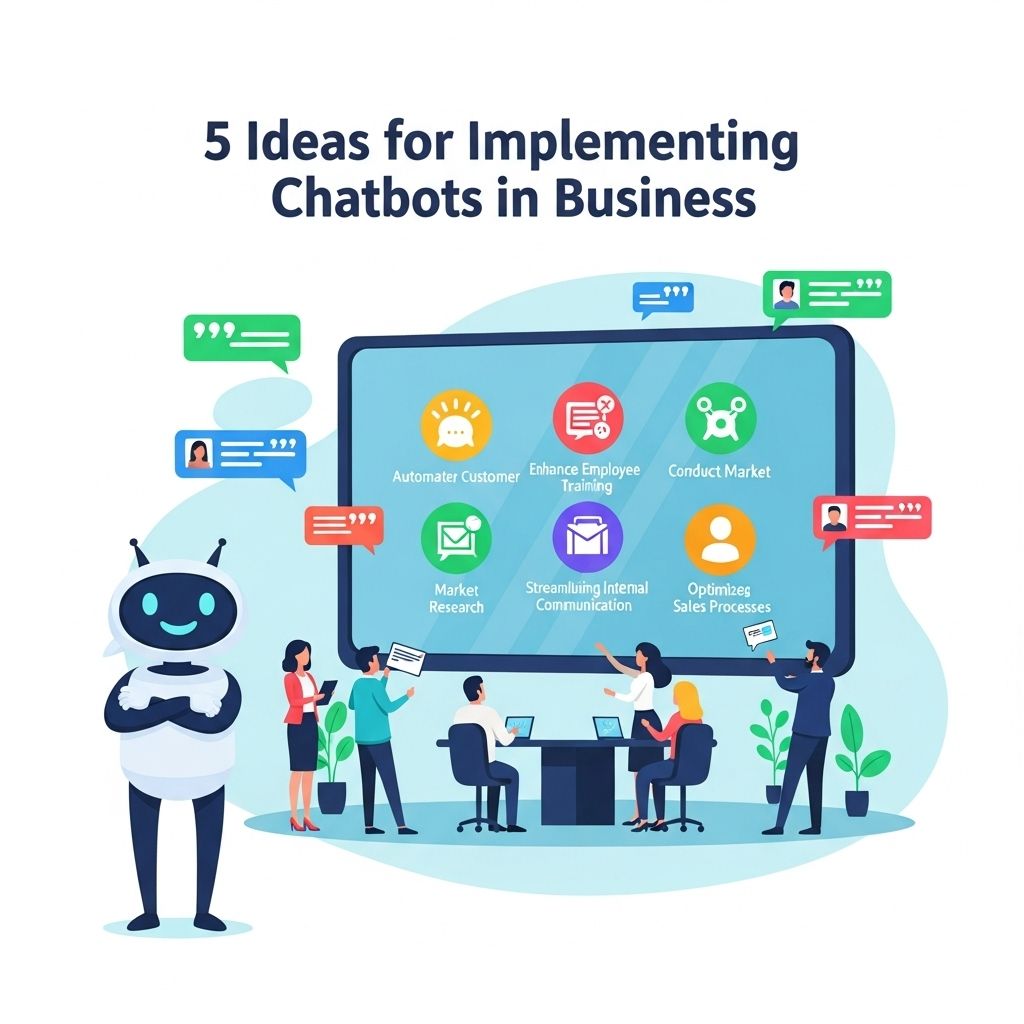

In today’s fast-paced digital landscape, businesses are continually seeking innovative ways to enhance customer experience and streamline operations. One of the most effective solutions has emerged in the form of chatbots. These AI-driven conversational agents can handle a range of tasks, from customer support to internal communication among employees. The implementation of chatbots can significantly improve efficiency and customer satisfaction. Here, we explore five ideas to effectively integrate chatbots into your business organization.
1. Customer Support Automation
Chatbots can revolutionize customer support by providing instant assistance to customers. They can handle frequently asked questions, guide users through troubleshooting processes, and even escalate issues to human agents when necessary. This not only reduces response time but also frees up human agents to focus on more complex inquiries.
Benefits:
- 24/7 availability to assist customers at any time.
- Reduction in average response and resolution time.
- Enhanced customer satisfaction through quick responses.
Implementation Steps:
- Identify common customer queries and issues.
- Choose a chatbot platform that integrates seamlessly with your existing systems.
- Train the bot using historical data to improve response accuracy.
- Continuously monitor and optimize the chatbot’s performance.
2. Lead Generation and Qualification
Chatbots can also play a crucial role in your marketing strategies by engaging website visitors and collecting valuable information. They can initiate conversations, qualify leads based on user responses, and even schedule appointments with sales representatives.
Implementation Strategy:
- Deploy chatbots on your website and social media channels to capture leads.
- Program the bot to ask qualifying questions based on your target audience.
- Integrate the chatbot with your CRM to streamline lead management.
3. Internal Team Communication
Chatbots aren’t just for customer interaction; they can enhance internal communication as well. A chatbot can serve as a virtual assistant for employees, providing quick access to company information, HR resources, and even managing schedules.
Use Cases:
- Answering common HR questions (leave policies, benefits).
- Scheduling meetings or reminders.
- Sharing updates about company events or policies.
Implementation Recommendations:
- Determine the most frequent requests from employees.
- Develop a comprehensive knowledge base for the chatbot.
- Regularly update the bot with new company policies or changes.
4. E-commerce Integration
For businesses in the retail sector, chatbots can significantly enhance the shopping experience. They can assist with product recommendations, track orders, and handle returns, making the shopping process smoother and more enjoyable for customers.
Key Features to Implement:
- Personalized product recommendations based on user preferences.
- Order tracking with real-time updates.
- Facilitating returns and exchanges through a step-by-step guide.
Implementation Steps:
- Integrate the chatbot with your e-commerce platform.
- Utilize AI to analyze customer behavior and preferences.
- Test the chatbot’s functionality regularly to ensure seamless user experience.
5. Data Collection and Analysis
Chatbots can serve as a powerful tool for gathering data and insights from customers. They can conduct surveys, collect feedback, and analyze user interactions to provide valuable information on customer preferences and behavior.
Benefits of Data Collection:
- In-depth understanding of customer needs and preferences.
- Ability to tailor marketing strategies based on real-time data.
- Enhanced decision-making through actionable insights.
Implementation Approaches:
- Design surveys that the chatbot can administer during conversations.
- Ensure data privacy and compliance with regulations.
- Analyze collected data to identify trends and areas for improvement.
Conclusion
Implementing chatbots within a business organization can lead to increased efficiency, enhanced customer experience, and improved internal communication. By exploring the five ideas outlined above, companies can strategically leverage chatbots to meet their unique needs and drive growth. As technology continues to evolve, the possibilities for chatbot integration will only expand, making it an essential component of any modern business strategy.
FAQ
What are the benefits of implementing a chatbot for my business?
Implementing a chatbot can enhance customer service, streamline operations, reduce response times, and improve user engagement, ultimately leading to increased sales and customer satisfaction.
How can a chatbot assist in customer support?
A chatbot can provide instant answers to frequently asked questions, guide users through troubleshooting processes, and escalate issues to human agents when necessary, ensuring a seamless support experience.
Can chatbots be integrated with existing business systems?
Yes, chatbots can be integrated with CRM systems, e-commerce platforms, and other business software to provide personalized experiences and access relevant customer data.
What are some creative use cases for chatbots in marketing?
Chatbots can be used for lead generation, personalized product recommendations, collecting user feedback, and even running interactive marketing campaigns to engage potential customers.
How do I measure the success of my chatbot implementation?
You can measure success through key performance indicators (KPIs) such as user engagement rates, customer satisfaction scores, response accuracy, and conversion rates from chatbot interactions.
Are chatbots suitable for all types of businesses?
While chatbots can benefit a wide range of businesses, their effectiveness depends on the nature of the business, customer needs, and the complexity of interactions required.


