
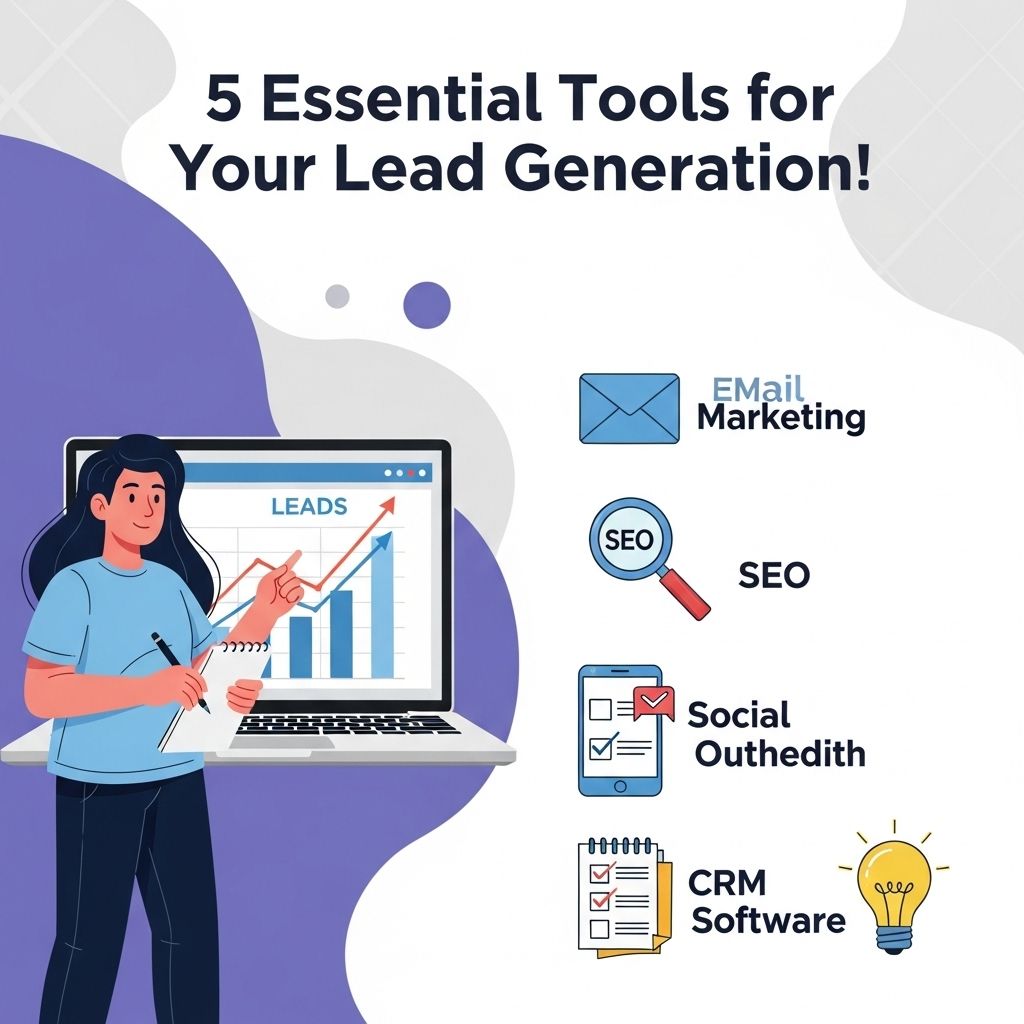

In the fast-paced world of digital marketing, the quest for effective lead generation is a common challenge that businesses face. Whether you are a startup or an established enterprise, implementing the right tools can significantly enhance your lead generation strategies. This article delves into five essential tools that can elevate your lead generation business model, streamline processes, and ultimately drive higher conversions.
1. Customer Relationship Management (CRM) Systems
A robust Customer Relationship Management (CRM) system is the backbone of any successful lead generation strategy. CRMs help businesses manage customer interactions, track leads, and analyze data. Here are some popular CRM options:
- Salesforce: Offers extensive features and integrations for larger teams.
- HubSpot: Known for its user-friendly interface and marketing automation capabilities.
- Pipedrive: Focused on sales management and pipeline tracking.
Choosing the right CRM allows you to:
- Segment leads based on behavior and demographics.
- Track interactions and engagement levels.
- Automate follow-ups and reminders.
Benefits of Using a CRM
| Benefit | Description |
|---|---|
| Improved Organization | Centralizes all lead information in one place. |
| Enhanced Communication | Facilitates better communication with leads through task automation. |
| Data-Driven Insights | Provides analytics for informed decision-making. |
2. Email Marketing Platforms
Email remains one of the most effective channels for lead generation. With the right email marketing tools, you can nurture leads and keep them engaged with personalized content. Some standout options include:
- Mailchimp: Offers a user-friendly interface and automation features.
- ActiveCampaign: Focuses on CRM integration and advanced segmentation.
- Constant Contact: Best for beginners with a simple setup process.
Creating Effective Email Campaigns
When creating email campaigns, focus on these key elements:
- Subject Line: Create compelling subject lines to increase open rates.
- Personalization: Tailor your emails based on recipient behavior and preferences.
- Call-to-Action (CTA): Include clear CTAs that guide leads toward the next step.
3. Social Media Management Tools
Social media platforms serve as powerful lead generation channels, enabling businesses to connect with potential customers. Utilizing social media management tools can help you schedule posts, analyze performance, and engage your audience. Consider these popular tools:
- Hootsuite: Excellent for managing multiple accounts and scheduling posts in advance.
- Buffer: Focuses on content scheduling and analytics.
- Sprout Social: Provides in-depth social media analytics and engagement tracking.
Maximizing Social Media for Lead Generation
To leverage social media effectively:
- Identify your target audience on the platforms they use most.
- Create shareable and valuable content to attract leads.
- Engage with your audience through comments and messages.
4. Landing Page Builders
Having an optimized landing page is crucial for capturing leads. Landing page builders simplify the process of creating high-converting pages without the need for extensive coding. Here are some top options:
- Unbounce: Offers customizable templates and A/B testing features.
- ClickFunnels: Designed for creating complete sales funnels.
- Leadpages: Great for beginners with drag-and-drop functionality.
Key Elements of an Effective Landing Page
To maximize conversions on your landing pages, consider these elements:
- Clear Headlines: Communicate the value proposition immediately.
- Engaging Visuals: Use high-quality images or videos to grab attention.
- Simple Forms: Keep forms short and ask for only essential information.
5. Analytics and Tracking Tools
No lead generation strategy is complete without proper analytics and tracking tools. Understanding user behavior and campaign performance is vital for optimization. Popular analytics tools include:
- Google Analytics: Provides comprehensive data on website traffic and behavior.
- Hotjar: Offers heatmaps and user recordings to visualize user interactions.
- Ahrefs: Helps track SEO performance and keyword rankings.
Using Data for Continuous Improvement
With analytics tools, you can:
- Identify high-performing channels and optimize underperforming ones.
- Adjust strategies based on user behavior insights.
- Measure ROI for different lead generation efforts.
Conclusion
Implementing these five essential tools can dramatically improve your lead generation business model. By leveraging CRM systems, email marketing platforms, social media management tools, landing page builders, and analytics, you can streamline your processes and enhance engagement with potential customers. Remember, the key to successful lead generation lies not only in capturing leads but also in nurturing them towards conversion.
FAQ
What are the best tools for lead generation?
Some of the best tools for lead generation include HubSpot, LinkedIn Sales Navigator, Mailchimp, Google Analytics, and Salesforce.
How can I automate my lead generation process?
You can automate your lead generation process using tools like Zapier, HubSpot, and ActiveCampaign, which allow you to set up workflows for capturing and nurturing leads.
What is the role of CRM in lead generation?
A Customer Relationship Management (CRM) system helps manage and analyze customer interactions and data throughout the lead generation process, improving relationships and sales outcomes.
How can social media tools aid in lead generation?
Social media tools can aid in lead generation by helping you target specific audiences, engage potential leads, and track the effectiveness of your campaigns across platforms.
What metrics should I track for lead generation success?
Key metrics to track for lead generation success include conversion rates, cost per lead, lead quality, and the overall return on investment (ROI) of your campaigns.


