
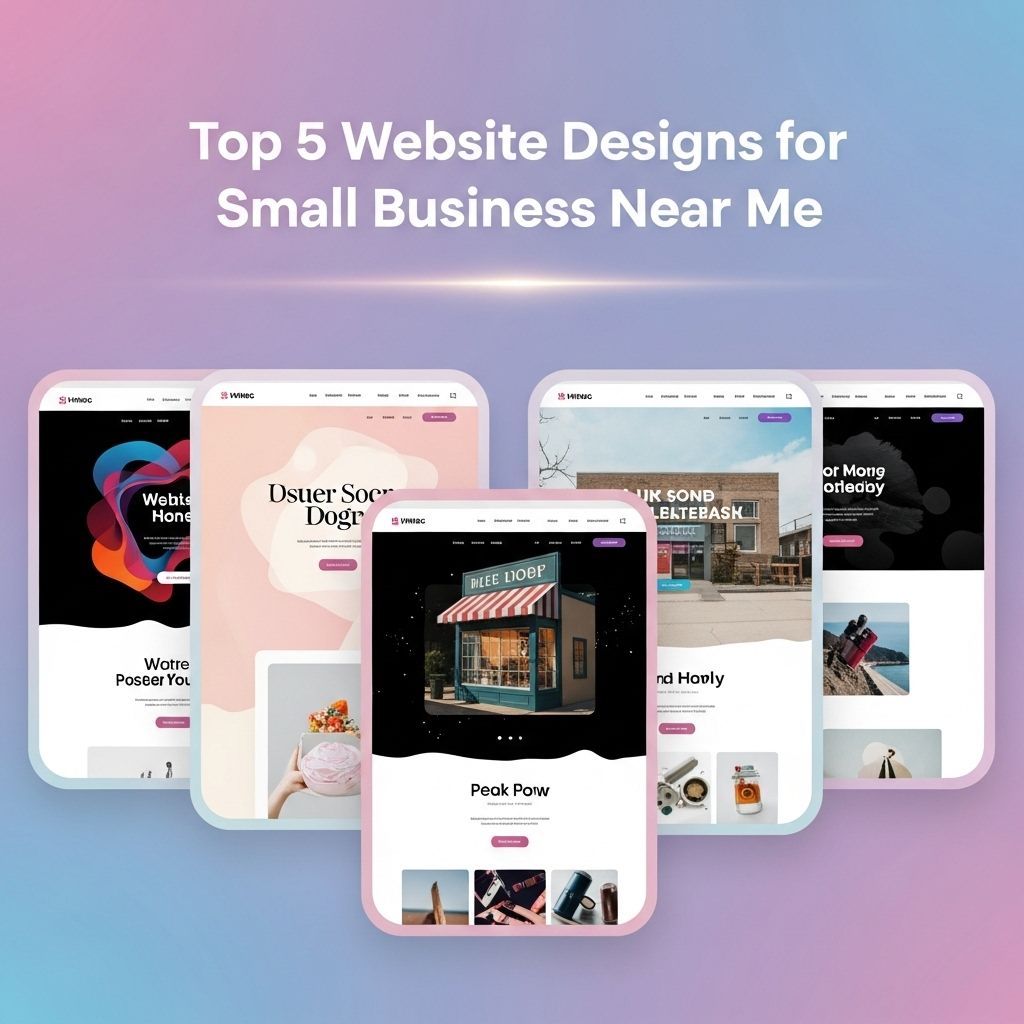

In today’s digital age, having a well-designed website is crucial for small businesses. A website serves as the virtual storefront, and it can either attract new customers or drive them away. With countless options available, selecting the right design for your small business can be overwhelming. This article dives into the top five website design styles that can elevate your small business’s online presence and help you stand out in a competitive landscape.
1. Minimalistic Design
Minimalistic design focuses on simplicity and functionality. This style avoids clutter, using a clean layout with ample white space, limited color palettes, and straightforward navigation. Here are some key characteristics:
- Simple color schemes
- Ample white space
- Easy-to-read fonts
- Intuitive navigation
For small businesses, minimalistic design can enhance user experience by making it easy for visitors to find what they need. Additionally, it often results in faster loading times, which is critical for retaining visitors.
Advantages of Minimalistic Design
- Enhanced user experience
- Faster loading times
- Professional appearance
2. Responsive Design
With the increasing use of smartphones and tablets for browsing, having a responsive design is no longer optional; it’s essential. Responsive design ensures that your website looks great and functions well on any device, including desktops, tablets, and mobile phones.
Key Features of Responsive Design
- Fluid grids: Layouts adjust to fit the screen size.
- Flexible images: Images resize within their containing elements.
- Media queries: CSS techniques apply styles based on device characteristics.
Implementing responsive design helps improve search engine rankings as Google prioritizes mobile-friendly sites. This can lead to increased traffic and sales, making it a vital choice for small businesses.
3. E-commerce Ready Design
If your small business involves selling products online, opting for an e-commerce ready design is essential. This design not only showcases your products but also facilitates a seamless shopping experience for customers. Key elements of an e-commerce design include:
| Element | Description |
|---|---|
| Shopping Cart | Allows customers to view and manage selected items. |
| Product Pages | Detailed pages with images, descriptions, and reviews. |
| Checkout Process | Simplified and secure method for customers to complete purchases. |
| Payment Integration | Supports various payment methods for customer convenience. |
Having an e-commerce ready design not only helps in managing sales but also enhances credibility, providing customers with a professional online shopping experience.
Benefits of E-commerce Ready Design
- Increased sales potential
- Better user experience
- Improved customer trust
4. Portfolio/Showcase Design
For service-oriented small businesses such as photographers, designers, or contractors, a portfolio design can effectively showcase work samples. This type of design emphasizes visuals and helps potential clients understand the quality of work provided. Important aspects include:
Features of Portfolio Design
- High-quality image galleries
- Project descriptions and case studies
- Testimonials and client logos
- Contact forms for inquiries
Using a portfolio design can help build brand authority and attract new clients by providing a visual representation of your services.
5. Blog-Centric Design
For small businesses that prioritize content marketing, a blog-centric design can be a powerful tool for driving traffic and engaging customers. This type of design features:
Key Components of a Blog-Centric Design
- Prominent blog section on the homepage
- Easy navigation to categories and archives
- Social sharing functionalities
- Comment sections for reader interaction
A blog-centric design not only helps in establishing expertise in your industry but also improves SEO efforts, leading to greater visibility and customer engagement.
Advantages of a Blog-Centric Design
- Improved SEO rankings
- Increased customer engagement
- Establishes thought leadership
Conclusion
Choosing the right website design is critical for the success of small businesses in the digital realm. Whether opting for a minimalistic approach, ensuring responsiveness, catering to e-commerce, showcasing a portfolio, or focusing on content through a blog, each design style has its unique benefits. Understanding the target audience and business objectives is key to selecting the most effective design that resonates with visitors and drives results. Investing in a well-thought-out website design can lead to increased traffic, improved customer engagement, and ultimately, business growth.
FAQ
What are the best website design services for small businesses?
The best website design services for small businesses often include features like responsive design, SEO optimization, and user-friendly interfaces. Popular providers include Wix, Squarespace, and local web design agencies.
How much should I expect to pay for small business website design?
The cost of website design for small businesses can vary widely, ranging from a few hundred to several thousand dollars, depending on the complexity and features of the site.
Why is responsive design important for small business websites?
Responsive design is crucial for small business websites because it ensures that your site looks great on all devices, improving user experience and SEO rankings.
How long does it take to design a small business website?
The timeline for designing a small business website can range from a few weeks to several months, depending on the complexity of the project and the responsiveness of the client.
Can I design my own website for my small business?
Yes, many small business owners opt to design their own websites using platforms like WordPress, Wix, or Squarespace, which offer user-friendly templates and tools.
What should I look for in a local website designer?
When choosing a local website designer, look for a strong portfolio, positive reviews, clear communication, and a good understanding of your industry and target audience.


