
In the fast-evolving world of artificial intelligence, image design has become more accessible than ever. With the right set of tools, both amateurs and professionals can create stunning visuals in a fraction of the time it would take using traditional methods. Whether you’re a marketer looking to enhance your content or an artist wanting to experiment with new styles, these tools leverage AI’s capabilities to streamline the design process.
Understanding AI Image Design
AI image design refers to the use of artificial intelligence algorithms to automate and enhance the process of creating visuals. These tools can generate images from scratch, modify existing images, or assist in various design tasks, allowing users to focus on their creative vision rather than technical details.
The Benefits of AI in Image Design
- Time-saving: Automating repetitive tasks allows designers to focus on creativity.
- Cost-effective: Reduces the need for extensive design teams, especially for small businesses and startups.
- Innovation: AI can produce unique styles and formats that might not be considered by human designers.
Top AI Image Design Tools
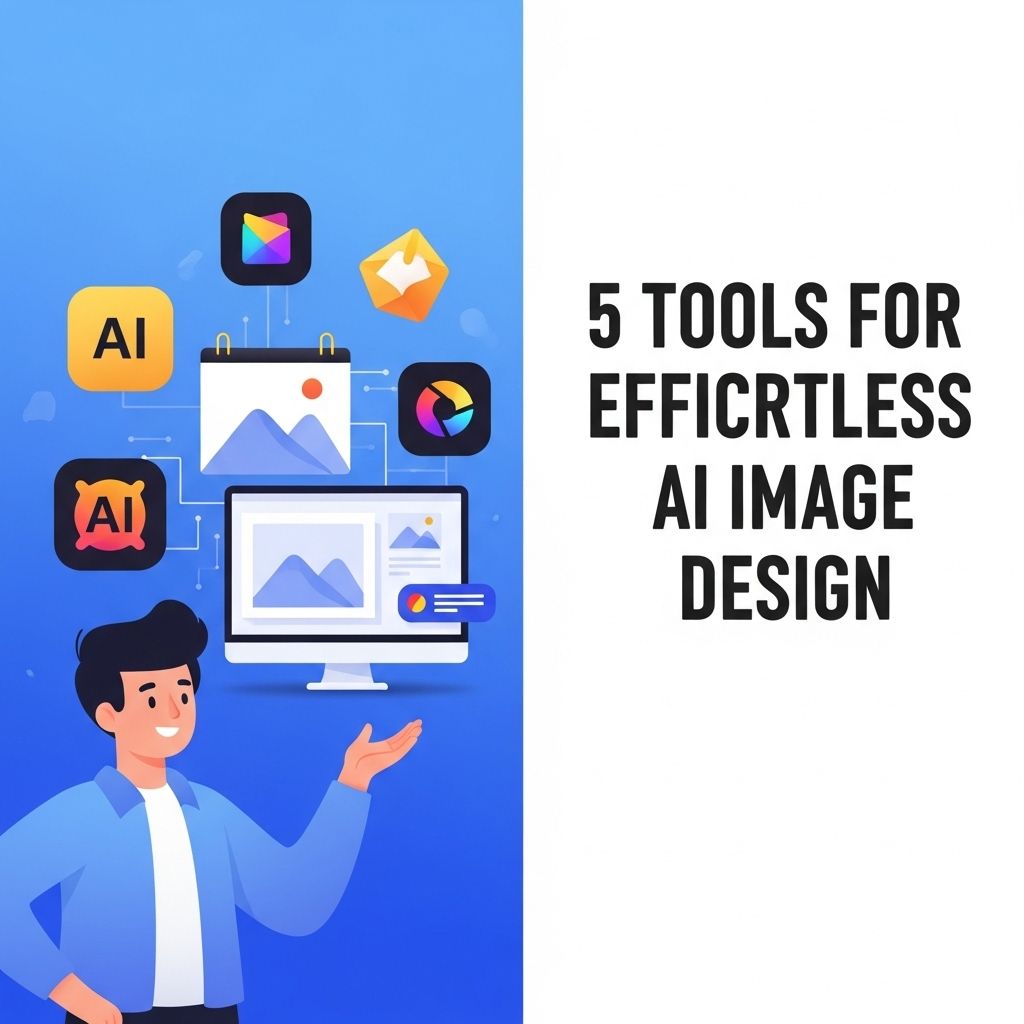
Here are five standout tools that exemplify the power of AI in image design:
1. Canva
Canva has emerged as a go-to platform for both amateur and professional designers. With its recent incorporation of AI features, it revolutionizes how visuals are created through:
- AI-Powered Suggestions: Canva analyzes your design and provides recommendations to enhance it.
- Magic Resize Tool: This feature adjusts your designs to fit different formats and platforms seamlessly.
2. DeepArt
DeepArt is a creative tool that transforms photos into artwork using AI algorithms inspired by famous artists. Key features include:
- Style Transfer: Users can upload a photo and apply various artistic styles to create unique outputs.
- High-Resolution Output: Images can be generated in high quality, suitable for prints and other professional needs.
3. DALL-E 2
DALL-E 2 by OpenAI is a powerful AI model that generates images based on textual descriptions. It showcases remarkable capabilities:
- Image Generation: Users can input descriptive text, and DALL-E generates corresponding images.
- Inpainting: It allows users to edit existing images by changing specific areas based on new prompts.
4. Runway ML
Runway ML is tailored for creatives, providing tools for video and image editing with AI at its core. Features include:
- Real-Time Collaboration: Multiple users can work on projects simultaneously, enhancing teamwork.
- AI Effects: Apply effects and filters that adapt intelligently to the content of the image.
5. Artbreeder
Artbreeder combines images to create entirely new visuals through machine learning techniques. Its functionality includes:
- Image Blending: Users can merge multiple images to produce unique art styles and concepts.
- Genetic Editing: Adjust parameters such as color, style, and shapes to refine creations.
Practical Applications of AI Image Design
The integration of AI in image design has led to various practical applications across industries:
Marketing and Advertising
Businesses can create eye-catching advertisements and social media posts quickly, allowing for rapid prototyping and testing.
Art and Entertainment
Artists can use AI tools to explore new styles or generate ideas, pushing the boundaries of creativity.
Gaming and Virtual Reality
AI-generated assets can populate game worlds, create character designs, or enhance user experiences in virtual environments.
Challenges and Considerations
While AI tools offer significant advantages, there are challenges to consider:
Quality Control
AI-generated images may sometimes lack the nuance and emotional depth of human-made art. Regular reviews and adjustments are essential.
Ethical Considerations
The use of AI in design raises questions about originality and ownership. Users should remain aware of the legal implications of using AI-generated content.
Conclusion
The tools mentioned above represent just a fraction of what is available in the realm of AI image design. As technology continues to advance, these solutions will become increasingly sophisticated, empowering users to create captivating visuals effortlessly. Embracing these tools can lead to a more innovative and efficient creative process, driving the future of design.
FAQ
What are the best AI tools for image design?
Some of the best AI tools for image design include Canva, Adobe Spark, DeepArt, Artbreeder, and RunwayML, which offer various features to enhance creativity and streamline the design process.
How can AI tools improve my image design workflow?
AI tools can automate repetitive tasks, provide design suggestions, enhance images with filters, and generate unique visuals, significantly speeding up your workflow and boosting creativity.
Are AI image design tools suitable for beginners?
Yes, many AI image design tools are user-friendly and designed with beginners in mind, offering intuitive interfaces and tutorials to help users get started.
Can I use AI image design tools for commercial projects?
Most AI image design tools have licensing agreements that allow for commercial use, but it’s essential to check the specific terms of each tool before using generated images for commercial purposes.
Do I need to be a designer to use AI image design tools?
No, you don’t need to be a professional designer to use AI image design tools; they are accessible to anyone, regardless of skill level, making it easier for anyone to create stunning visuals.