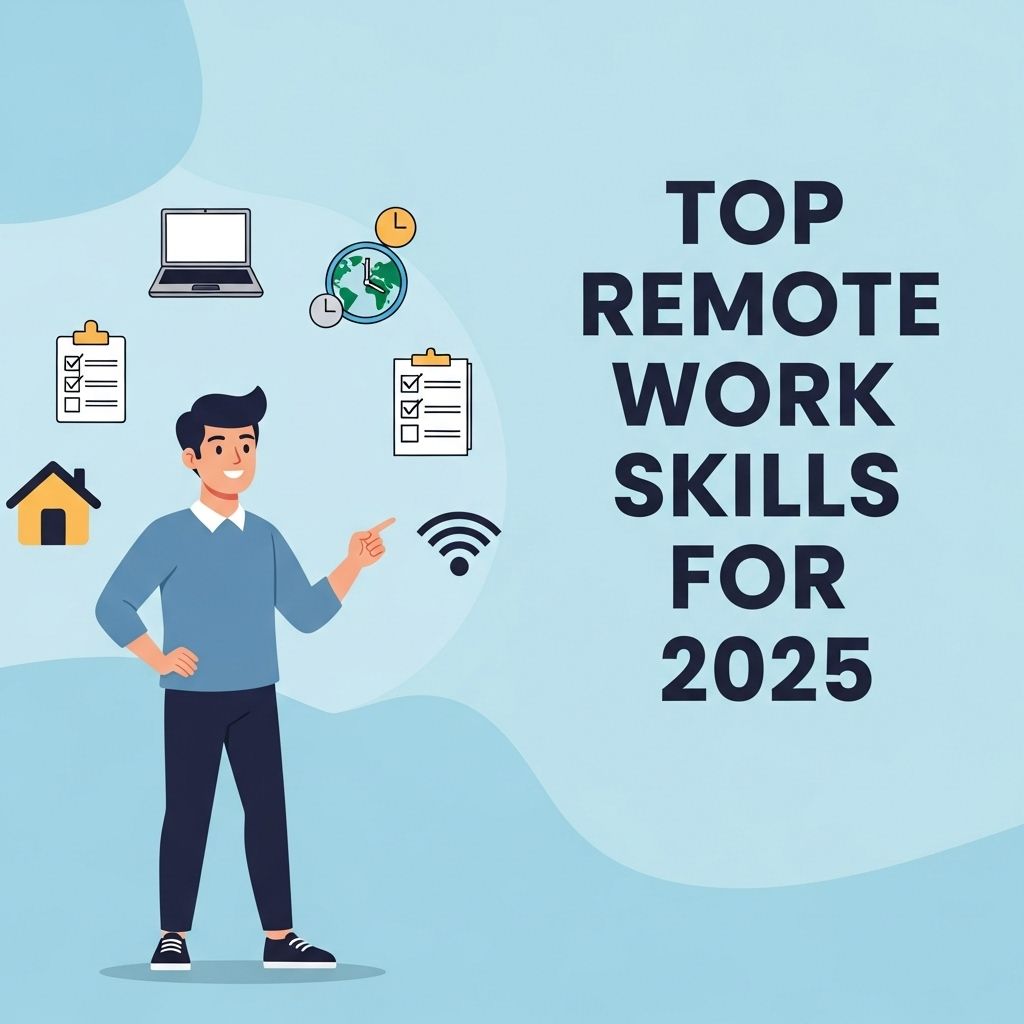

As we step further into the digital age, the landscape of work continues to evolve dramatically. Remote work has transcended from a temporary solution during a crisis to a permanent feature of many industries. As we look toward 2025, it’s essential for professionals to equip themselves with the skills that will not only enhance their productivity but also position them as valuable assets in a remote work environment. This article delves into the top skills for remote work that are expected to be in high demand in 2025.
1. Digital Communication Proficiency
Effective communication is the bedrock of successful remote work. Without the luxury of face-to-face interactions, professionals must adapt to various digital communication tools. This includes:
- Email Management: Crafting clear and concise emails to communicate tasks and updates.
- Video Conferencing: Utilizing platforms like Zoom or Microsoft Teams to hold virtual meetings.
- Instant Messaging: Engaging in real-time conversations through tools like Slack or Discord.
Best Practices for Digital Communication
- Always clarify the purpose of the communication.
- Be mindful of tone and clarity to avoid misinterpretations.
- Follow up when necessary to ensure understanding and agreement.
2. Time Management Skills
Remote work often blurs the lines between personal and professional time. Mastering time management is crucial for maintaining productivity and work-life balance.
Tools for Effective Time Management
| Tool | Description | Best For |
|---|---|---|
| Trello | A project management tool that allows users to organize tasks visually. | Project tracking |
| Pomodoro Timer | A time management method that uses a timer to break work into intervals. | Focus improvement |
| Google Calendar | A scheduling app that helps users plan their day and set reminders. | Scheduling meetings |
3. Adaptability and Flexibility
The rapid pace of technological advancement and the shifting nature of work require professionals to be adaptable. In 2025, those who can quickly learn new tools, switch between tasks, and adjust to new trends will thrive.
Strategies for Building Adaptability
- Embrace continuous learning through online courses and webinars.
- Be open to feedback and willing to make changes based on it.
- Stay ahead of industry trends by following thought leaders on social media.
4. Technical Proficiency
As remote work leans heavily on technology, having a strong technical foundation is non-negotiable. This doesn’t only mean knowing how to use office software but also understanding the tools that drive your specific industry.
Key Technical Skills to Develop
- Proficiency in remote collaboration tools (e.g., Google Workspace, Microsoft 365).
- Basic understanding of cybersecurity principles to protect company data.
- Familiarity with project management software (e.g., Asana, Jira).
5. Problem-Solving Skills
Remote work comes with its own set of challenges, from tech issues to collaboration hurdles. Strong problem-solving skills enable professionals to navigate these obstacles effectively.
Enhancing Problem-Solving Skills
- Engage in critical thinking exercises that challenge your thought process.
- Collaborate with peers to tackle complex problems and gain diverse perspectives.
- Use tools like mind maps to visualize problems and brainstorm solutions.
6. Emotional Intelligence
In a remote work environment, emotional intelligence becomes crucial for building relationships and understanding team dynamics. Recognizing and managing one’s emotions, as well as empathizing with colleagues, fosters a positive work atmosphere.
Building Emotional Intelligence
- Practice active listening during meetings to fully understand others’ viewpoints.
- Reflect on your emotional responses to improve self-awareness.
- Encouraging open dialogue about feelings and challenges within the team.
7. Self-Motivation and Discipline
Remote work requires a high level of self-motivation and discipline. With fewer external controls, professionals must be proactive in meeting their goals and deadlines.
Developing Self-Motivation
- Set personal short-term and long-term goals to drive focus.
- Create a dedicated workspace to signal the start of the workday.
- Reward yourself for achieving milestones to maintain motivation.
8. Networking and Relationship Building
Even in a virtual setting, building a professional network is crucial for career advancement. Strong relationships can lead to new opportunities, collaborations, and insights.
Tips for Effective Networking
- Attend virtual industry events and webinars to meet new people.
- Utilize social media platforms like LinkedIn to connect and engage with professionals.
- Follow up with new contacts to maintain relationships.
Conclusion
As we approach 2025, the skills required for successful remote work will continue to evolve. By honing these key skills—digital communication, time management, adaptability, technical proficiency, problem-solving, emotional intelligence, self-motivation, and networking—professionals can thrive in a virtual environment. Embracing these competencies will not only enhance individual performance but also contribute to a more connected and productive workforce.
FAQ
What are the top remote work skills for 2025?
The top remote work skills for 2025 include digital communication, time management, adaptability, technical proficiency, and collaboration tools expertise.
How can I improve my digital communication skills for remote work?
You can improve your digital communication skills by practicing active listening, using clear and concise language, and becoming proficient in various communication tools like video conferencing and instant messaging.
Why is adaptability important for remote work in 2025?
Adaptability is crucial for remote work as it allows employees to adjust to changing technologies, team dynamics, and business needs, which are expected to evolve rapidly by 2025.
What technical skills will be in demand for remote workers in 2025?
Technical skills such as data analysis, cybersecurity knowledge, and proficiency in cloud-based software will be in high demand for remote workers in 2025.
How can I enhance my collaboration skills while working remotely?
You can enhance your collaboration skills by engaging in team-building activities, utilizing collaborative tools effectively, and maintaining open lines of communication with team members.
What role does time management play in successful remote work?
Effective time management is essential for remote work as it helps individuals prioritize tasks, meet deadlines, and maintain a healthy work-life balance, which is increasingly important in a remote environment.