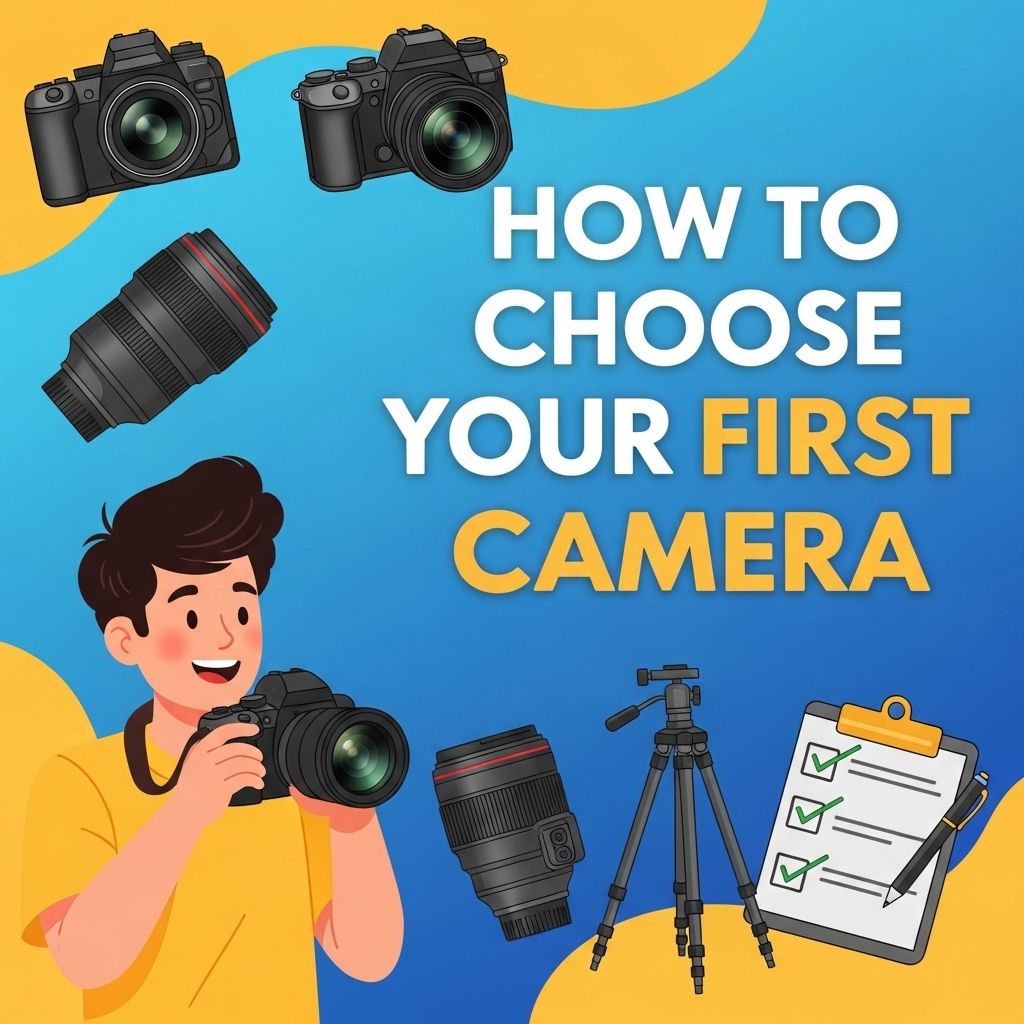

Choosing your first camera can be an overwhelming experience, especially with the plethora of options available in today’s market. Whether you are interested in photography as a hobby, a career, or simply want to capture precious moments, selecting the right camera is critical. This guide aims to provide you with all the information you need to make an informed decision that aligns with your photography goals.
Understanding Your Photography Goals
The first step in choosing a camera is to understand what you want to do with it. Your photography goals will largely dictate the type of camera you need. Here are some common photography purposes:
- Casual Photography: If you just want to take family pictures or snap photos during vacations, a compact or smartphone camera could suffice.
- Travel Photography: If you love to document your travels, you may want a camera that is portable yet produces high-quality images.
- Professional Photography: If you’re considering a career in photography, investing in a DSLR or mirrorless camera would be a better choice.
Types of Cameras
Now that you have a better understanding of your goals, let’s explore the different types of cameras available:
1. Compact Cameras
Also known as point-and-shoot cameras, compact cameras are lightweight and easy to use. They typically have fixed lenses, making them a convenient choice for beginners.
2. DSLR Cameras
Digital Single-Lens Reflex (DSLR) cameras are a popular choice for many photographers. They offer interchangeable lenses and manual settings, allowing for greater creative control.
3. Mirrorless Cameras
These cameras are similar to DSLRs but without the mirror mechanism, making them lighter and more compact. They also offer interchangeable lenses and typically have fast autofocus systems.
4. Smartphone Cameras
Modern smartphones come equipped with advanced camera systems that can rival dedicated cameras in terms of quality. They are incredibly versatile, allowing for easy sharing and editing.
Key Features to Consider
When evaluating cameras, consider the following features that can impact your shooting experience:
1. Sensor Size
The size of the camera sensor greatly affects image quality. Larger sensors capture more light, resulting in better low-light performance.
2. Megapixels
While not the only factor affecting image quality, higher megapixels can result in more detailed photos. However, more isn’t always better—it’s the sensor quality that truly matters.
3. Autofocus System
A robust autofocus system is crucial for capturing sharp images, especially when shooting moving subjects.
4. Lens Compatibility
Consider the range of lenses available for the camera system. Having options can significantly expand your creative possibilities.
Budgeting for Your First Camera
Camera prices can range from a few hundred to several thousand dollars. Here’s how you can set a budget:
- Entry-Level Options: Typically range from $200 to $600. Ideal for casual photographers.
- Mid-Range Options: Typically range from $600 to $1500. Suitable for serious hobbyists.
- Professional Options: Typically start at $1500 and can go up significantly. Best for those pursuing photography as a career.
Accessories to Consider
When purchasing your camera, don’t forget about essential accessories:
| Accessory | Purpose |
|---|---|
| Tripod | Stabilizes your camera for long exposures and video recording. |
| Extra Batteries | Ensures you won’t miss a shot due to a dead battery. |
| Memory Cards | Provides additional storage for your photos. Faster cards are ideal for shooting in burst mode. |
| Camera Bag | Protects and organizes your camera and accessories while on the go. |
Testing Your Options
Before making a final decision, it’s highly recommended to test different cameras. Many retailers offer the option to handle and try out cameras, which can provide valuable insight. Here are some points to keep in mind:
- Ergonomics: Make sure the camera feels comfortable in your hands.
- Interface: Ensure the buttons and menu system are easy for you to navigate.
- Image Quality: Take test shots to gauge the quality and color reproduction.
Final Thoughts
Choosing your first camera doesn’t have to be an intimidating process. By understanding your photography goals, exploring different camera types, and considering important features, you can make an informed decision. Remember that the best camera is one that meets your needs and inspires you to capture the world around you. Happy shooting!
FAQ
What should I consider when choosing my first camera?
When selecting your first camera, consider factors such as your budget, the type of photography you want to pursue, camera size and weight, lens options, and whether you prefer a mirrorless or DSLR system.
Is it better to buy a DSLR or a mirrorless camera as a beginner?
Both DSLRs and mirrorless cameras have their advantages. DSLRs often have longer battery life and a wider selection of lenses, while mirrorless cameras are typically lighter and more compact, making them easier to carry.
What is the importance of sensor size in a camera?
Sensor size affects image quality, depth of field, and low-light performance. Larger sensors generally produce better images, especially in challenging conditions, but they also tend to come with a higher price tag.
Should I buy a new or used camera for my first purchase?
Buying a used camera can be a cost-effective way to get high-quality equipment. Just be sure to check the camera’s condition and warranty options before purchasing.
How do I determine the right lens for my first camera?
The right lens depends on your photography style. For beginners, a versatile zoom lens is often recommended, while those interested in specific genres may want a prime lens or specialty lens.
Are camera accessories important for beginners?
Yes, essential accessories like a sturdy tripod, extra batteries, and a camera bag can enhance your photography experience and help you take better photos.