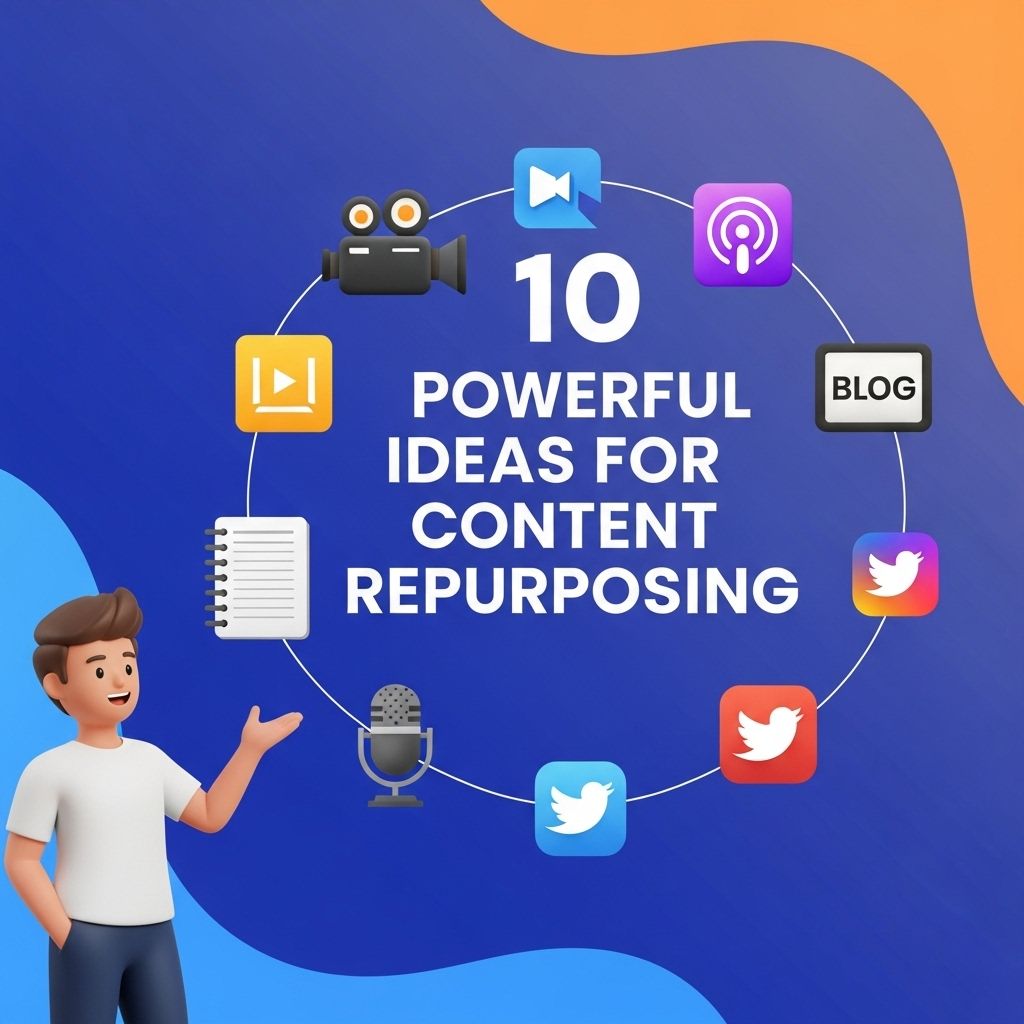

In today’s fast-paced digital landscape, where content is king, the ability to efficiently repurpose existing material can save time, increase reach, and maximize your content’s value. Content repurposing is the practice of taking a single piece of content and transforming it into various formats to engage different audiences. This article explores ten powerful ideas for content repurposing that can elevate your content strategy and enhance your brand’s presence.
1. Transform Blog Posts into Ebooks
Blog posts are a great starting point for repurposing content. By compiling related articles, adding additional insights, and formatting them into a cohesive document, you can create an ebook. This not only creates a valuable resource for your audience but can also be used as a lead magnet.
Steps to Create an Ebook:
- Select a theme or topic from your blog posts.
- Choose 5-10 relevant articles.
- Expand on existing content where necessary.
- Add visuals to enhance readability.
- Format the document and create a cover page.
2. Turn Webinars into Video Content
If you’ve hosted a webinar, you already have a wealth of valuable content. Convert the recorded session into shorter video clips that can be shared on social media or embedded in your website. Highlight key takeaways or interesting segments for maximum engagement.
Benefits of Shortened Clips:
- Increased shareability on platforms like Instagram and Twitter.
- Enhanced viewer engagement through bite-sized content.
- Opportunity to drive traffic back to the full webinar.
3. Create Infographics from Data-Driven Posts
Data and statistics are often the backbone of high-performing content. Infographics can visually represent this information, making it easier to digest and share. Use tools like Canva or Piktochart to transform your data into engaging visuals.
Key Elements of a Great Infographic:
- Clear, concise data presentation.
- Attractive design aligned with your brand.
- Engaging visuals that capture attention.
4. Repurpose Podcasts into Blog Summaries
For those who create podcasts, it can be beneficial to provide written content to accompany audio episodes. Summarizing the core topics covered in your podcast can serve not only as a resource for your audience but also improve your blog’s SEO.
Podcast to Blog Summary Steps:
- Listen to the podcast episode and take notes.
- Identify key points and insights.
- Write a summary that captures the essence of the episode.
- Add a call-to-action promoting the podcast.
5. Utilize Social Media Snippets
Social media platforms thrive on short, digestible content. Extract quotes, statistics, or key takeaways from your longer content pieces to create shareable posts. Utilize graphics or video snippets to increase engagement.
Best Practices for Social Media Snippets:
- Keep it concise and impactful.
- Include relevant hashtags for greater reach.
- Engage with your audience through polls or questions.
6. Develop Case Studies from Success Stories
Transforming customer success stories into detailed case studies can not only showcase your product or service’s effectiveness but also serve as powerful content for your marketing strategy. By highlighting real-world applications, you can build trust with potential customers.
Structure of an Effective Case Study:
- Introduction: Brief overview of the problem.
- Challenge: Explain the challenges the customer faced.
- Solution: Detail the solution provided.
- Results: Highlight measurable changes and outcomes.
7. Create Slide Decks for Presentations
Take your blog posts, webinars, or research articles and convert them into slide decks. This format is particularly effective for presentations, conferences, or even internal meetings. Tools like PowerPoint or Google Slides can help create visually appealing presentations.
Tips for Effective Slide Decks:
- Limit the amount of text per slide.
- Use visuals and infographics to convey messages.
- Include speaker notes to elaborate during presentations.
8. Compiling FAQ Sheets
Analyze the questions frequently asked by your audience and compile them into a comprehensive FAQ sheet. This can be particularly useful for services or products that require detailed explanations.
How to Create an FAQ Sheet:
- Gather common questions from customer interactions.
- Provide clear and concise answers.
- Organize by topic for easy navigation.
9. Develop Email Newsletters
Turn your best content into an email newsletter. Curate articles, blog posts, and recent news into a digestible format for your subscribers. This keeps your audience informed and engaged.
Components of a Successful Newsletter:
- Engaging subject line.
- Brief summaries of articles with links.
- Relevant visuals to enhance appeal.
10. Create Interactive Quizzes or Surveys
Transform existing content into interactive quizzes that can educate while providing entertainment. Quizzes can drive engagement and allow you to collect valuable feedback from your audience.
Steps to Create an Interactive Quiz:
- Identify a relevant topic or theme.
- Create questions based on your content.
- Use platforms like Typeform or Quizlet to develop.
- Promote across social media and your website.
In conclusion, the power of content repurposing lies in its ability to extend the life of your content while reaching diverse audiences. By creatively transforming existing materials into various formats, you not only maximize the value of your original work but also cater to different learning styles and preferences. Implement these strategies to strengthen your content marketing efforts and optimize the impact of your digital presence.
FAQ
What is content repurposing?
Content repurposing is the process of taking existing content and adapting it for different formats or platforms to reach a wider audience and maximize its value.
Why is content repurposing important for SEO?
Repurposing content can improve SEO by increasing visibility, generating backlinks, and driving more traffic to your website through various channels.
How can I repurpose a blog post?
You can repurpose a blog post into a video, infographic, podcast episode, social media posts, or an eBook to engage different audiences.
What are some effective formats for repurposing content?
Effective formats for repurposing content include videos, infographics, podcasts, slide presentations, social media snippets, and email newsletters.
Can I repurpose content across different platforms?
Yes, repurposing content across different platforms can help reach diverse audiences; for example, turning a YouTube video into a blog post or vice versa.
How often should I repurpose my content?
You should consider repurposing your content regularly based on performance metrics, audience engagement, and the relevancy of the original content.